


I saw a headline in the paper today that said people are beginning to question whether to buy organic food because times are getting tough and they don’t want to spend the money on it.
So, okay, let’s go back to eating food grown conventionally. And what will you spend on health care for the problems created by the pesticides, herbicides, fungicides, chemical fertilizers, hormones, and genetically altered and denatured food that results from that way of farming?
And what will it cost you when the animal products you eat or drink contain antibiotics that promote antibiotic-resistant strains of bacteria that cause illnesses that are ever-harder to cure with the treatments we have?
And where will your dollars go when you buy conventional food, especially refined and processed products? Straight into the coffers of the big agribusiness companies. Do you think their bottom line is your good health? Think again.
I was checking out at the supermarket today behind a dad and his young son. I happened to notice the over-refined, processed, sugary and fat-laden foods he was buying for that kid. Cheaper than organic? Sure. Better for the kid? No. Cheaper in the long run? Far from it.
Turning away from organic foods because of the cost? Wait a minute. Organic agriculture is sustainable. That means you can grow food this way in perpetuity without wrecking the land and its ecosystems. What do you think is the cost of soil erosion, waterway pollution, and the depletion of topsoil under conventional agriculture? The bill may not come due today, but it will come due tomorrow.
Shop wisely, shoppers. You don’t have to eat the most expensive organic products in the store. I shop regularly at an organic market. And I have discovered that there is a wide price range of organic products available for almost every item in the store.
Keep in mind a good balance of starches and carbohydrates (pastas, breads, potatoes, etc.), proteins (meats, tofu, milk, eggs, etc.), and lots of leafy and root vegetables (spinach, chard, kale, carrots, parsnips, rutabagas, etc.). If you buy them raw and unprocessed and cook them yourself at home, the cost won’t be much more than you’d pay at the big conventional supermarkets.
As for fruits, stick with what’s in season. Blueberries from Argentina are expensive. Blueberries from here aren’t, if you buy plenty in July so you can freeze some for the winter months. Buy local, seasonal fruits and vegetables grown organically.
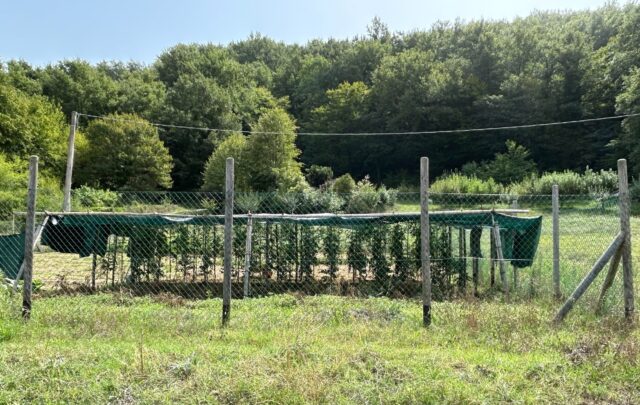
Frequent the farmers markets and the farm stands. Buy tomatoes at the peak of their season and for goodness sake make tomato sauce to use for spaghetti. Last year, we grew six tomato plants in a 20x 12 plot and canned 48 quarts of spaghetti sauce from their bounty.
Think ahead in the summer months. When the farmers markets shut down for the winter, make sure you’ve put some food by for the winter by buying organic fruits and vegetables when they’re in season and canning and freezing them, plus drying some for fruit leather. Do you know that you can buy Butternut squash in the fall and store it on the floor of a cold room or garage perfectly well over winter, as long as the room doesn’t freeze? It only gets sweeter.
And those organic treats, like ice cream? Invest in a home ice cream maker and use organic cream to make your own using your own frozen fruit. It’s cheaper than conventional ice cream if you do it that way. Make a cake with organic flour and freeze slices. Take your organic chicken carcasses and instead of throwing them in the garbage, boil them in water with an onion to make your own chicken broth for soups and stews.
When the cherries were ripe last June, I filled a crock with sugar and brandy and cherries and covered it tightly. I put it away in the garage and will open it, with great fanfare and delight, at Christmastime.
Get creative. Have fun. But for goodness sake, stay organic, for in that way you protect yourself, your loved ones, and the earth that grows our food.




Comments
We changed commenting systems on September 10, 2026 as part of a site-wide functionality and security upgrade. Your past comments have not disappeared, and you can still log in with your old Disqus account credentials if you wish. Contact us with any questions.