


Click on the headline (link) for the full text.
Many more articles are available through the Energy Bulletin homepage
Saudis worry over high prices on oil
Newhouse News Service via Sun Journal
… The Saudis, however, contend American motorists’ anger is misplaced.
To begin with, global demand has climbed since 2003, particularly from emerging countries like India and China rather than from industrialized nations. At the same time, overall global supplies grew only slightly, which in turn led to a lowering of internal inventories in importing countries.
In part, the “just-enough” supply levels were a deliberate strategy by the Organization of Petroleum Exporting Countries, the cartel of 13 major producers led by Saudi Arabia, to keep prices from sagging.
Saudi Arabia hasn’t forgotten that only 10 years ago the nation was in dire economic straits. Oil was $10 a barrel – compared with today’s $140-a-barrel range – and the kingdom’s debts were the equivalent of 130 percent of its gross domestic product, mostly because it had financed the $60 billion-plus cost of the 1990-91 Gulf War to eject Saddam Hussein from Kuwait.
It was against this backdrop that Saudi Arabia decreased production beginning in 2006, to maintain oil prices, then around $50 to $60 a barrel. Then demand skyrocketed.
(11 July 2008)
Oil: Wall Street vs. Main Street
Moira Herbst, Business Week
It’s the interests of pension-fund managers against those of waitresses as Congress digs into the controversy surrounding oil speculation
—
Are oil speculators just making sure they retire comfortably-or bleeding working Americans? It depends on your perspective.
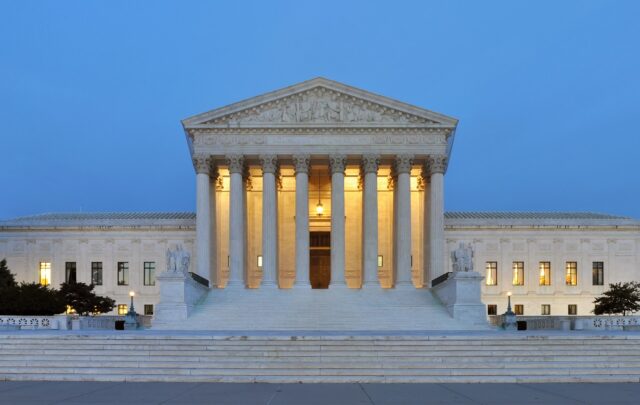
On a day when oil futures prices shot up more than $5 per barrel, to $141.65, a congressional hearing on oil speculation heard from both proponents of unfettered commodity trading and those who would rein it in.
Representatives of Wall Street traders told the House Agriculture Committee at the July 10 hearing that more oversight of the oil market would cause consumers more pain than relief. Barring certain types of investors from commodities markets would send investment offshore, they said. And because much of the money being invested in oil futures contracts is coming from pension plans, such a move would “put at risk the retirement funds of the very workers it intended to help. In effect, it would be robbing Peter to pay Paul,” said Robin Diamonte, on behalf of the Committee on the Investment of Employee Benefit Assets (CIEBA), the lobbying group for corporate pension plans.
But other witnesses said that the massive influx of investment into commodity markets is taking a great toll on working Americans.
… Also on July 10, Acting Chairman Walter Lukken said the Commodity Futures Trading Commission would issue a report on its oil markets investigation in the coming weeks. The final report is due on or before Sept. 15. He told a House Appropriations subcommittee that the CFTC has seen no evidence so far that speculators are driving record oil prices.
(10 July 2008)
Oil zooms up $5-plus on Iran fears
Catherine Clifford, CNN MOney
Oil rallied late Thursday, settling more than $5 a barrel higher, as traders reacted to talk of further turbulence in Iran and Nigeria, raising new supply concerns.
Light, sweet crude settled $5.60 higher to $141.65 a barrel. Prices had soared as high as $142.04 just before the settlement.
Traders said rumors that Iran test fired more missiles and of the apparent end of a cease-fire in Nigeria pushed prices up at the end of the trading day.
When global supply is as tight as it is right now, traders do not wait to confirm rumors, said Neal Dingmann, senior energy analyst at Dahlman Rose & Co.
“People are shooting first and asking questions later,” he said, especially when the rumors are concerned such oil-rich countries as Iran and Nigeria.
(10 July 2008)
Contributor Scott Chisholm Lamont writes:
The part about traders shooting first and asking questions later is interesting – it does seem to me that the market is very reactive these days.



Comments