

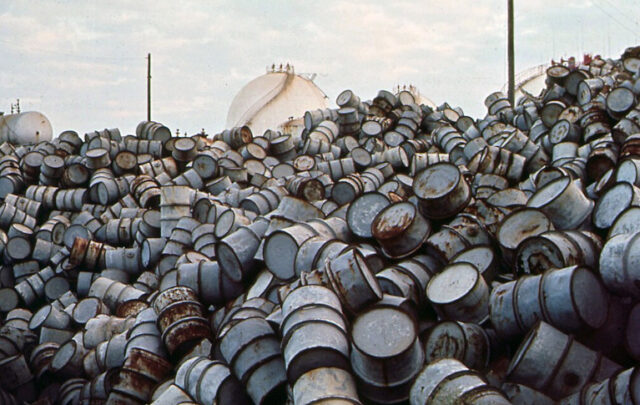
Oil price manipulation, an unrecognized stratagem and an unhinged plan
Oil price manipulation is taking many forms after the closure of one of the world’s major choke points for oil transport sent oil prices higher.
March 15, 2026
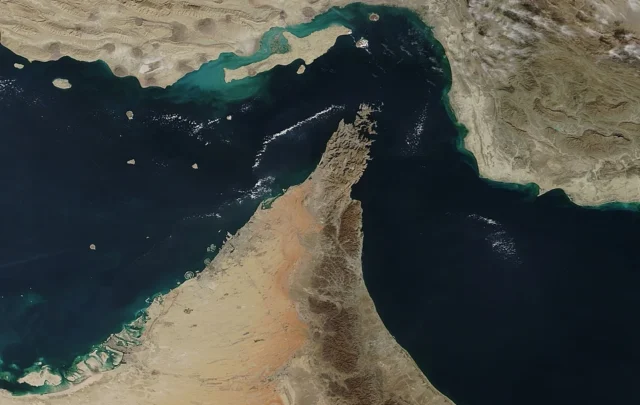
Is the Hormuz Chokehold a Foretaste of Peak Oil?
Hence, the severe restrictions in the flow of oil though the Strait of Hormuz, resulting from the recent US-Iranian attacks, may be seen as a stark rehearsal for the consequences of a severe shock in the global oil supply, as might be experienced from a “peak oil” crisis, with volatile price spikes and supply chain disruptions.
March 13, 2026
The Petrostate Proxy War
This is the paradox both Saudi Arabia and the UAE are now navigating. The grey war they are waging — economically, culturally, through regional proxies — is a race to secure the post-oil future before the other does.
March 12, 2026
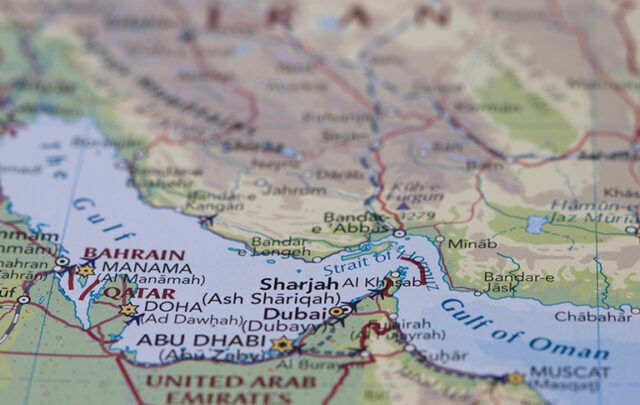
Chokepoint
The 24-mile-wide Strait of Hormuz in the Persian Gulf, through which roughly 20 percent of world oil shipments pass, is an obvious pinch point for a vital industrial resource. But it also serves as an apt metaphor for the brittle global supply chains upon which the entire economy depends.
March 12, 2026
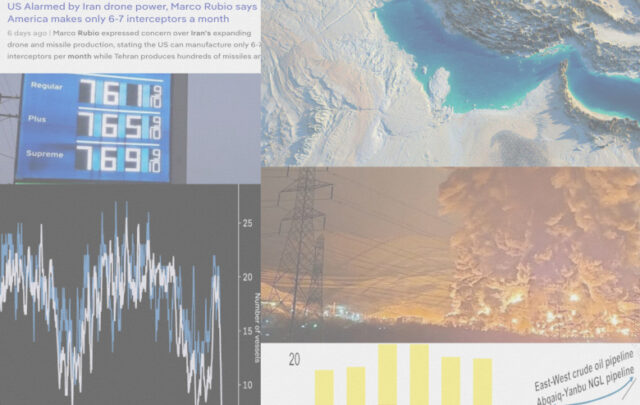
Wide Boundary News: The Iranian War, Rising Gas Prices, and the Single Point Failure
In this installment, Nate addresses the U.S. and Israeli military offensive against Iran and traces the reverberating effects that extend far beyond the conflict itself, starting with what the closure of the Strait of Hormuz means for a civilization that routes a massive share of its physical economy through a single maritime corridor.
March 11, 2026
Infrastructure, finance, and the sale of the future
Mitchell’s new book reinforces this essential point. We must see through the alibi of capital, we must reclaim society from the grip of the economy, and we must change the rules of the game to save our collective future.
March 10, 2026
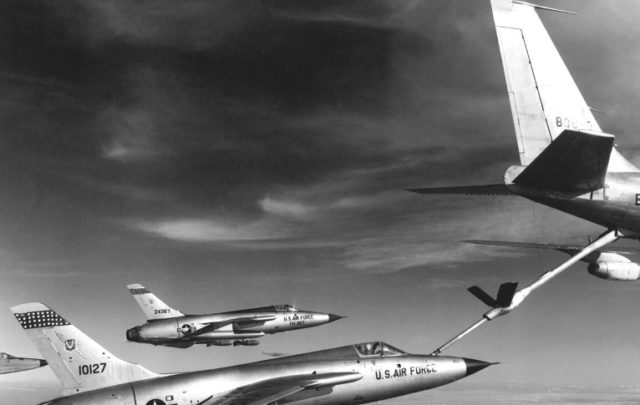
Iran war: What we’re in for and why logic is your friend
A lot of nonsense is being communicated about the war with Iran.
March 8, 2026
The Great Unraveling
Environmental and social challenges are compounding to threaten the systems that support the world we know. What does this Great Unraveling mean for human civilization and the global ecosystem?

