

Danica Tomber is an applied linguist. She has a Master of Arts in Teaching English to Speakers of Other Languages from Portland State University. Her interests span science communication, discourse analysis, and pragmatics. She is a contributor to the Observatory.
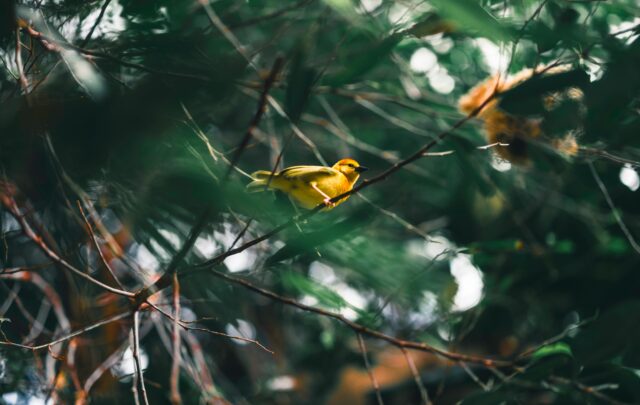
As nature terms disappear, so does our ability to see and protect the natural world
Studies show a steep decline in nature-related language, from books to music. Now, projects like children’s books, citizen science platforms and everyday practices like gardening and birdwatching are helping rebuild our ecological vocabulary.
April 27, 2026
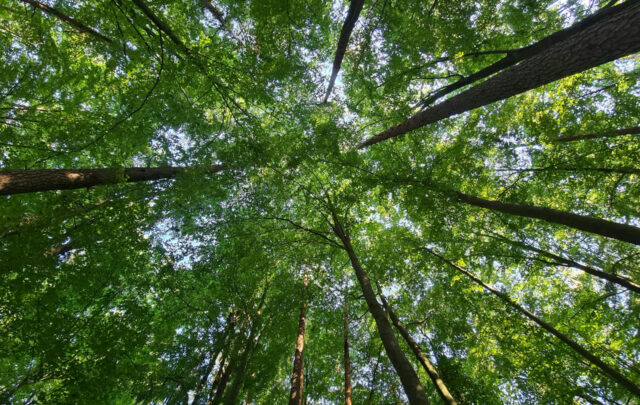
How losing nature from our language changes how we think about the world
As references to rivers, trees, and wildlife fade from books, songs, and everyday speech, our connection to the natural world also diminishes. Reclaiming these words can help us recognize, appreciate, and ultimately, preserve the environment.
April 24, 2026

