

Caroline Cox is a retired pesticide scientist. She was a staff scientist at the Northwest Coalition for Alternatives to Pesticides from 1990 to 2006 and a research director and senior scientist at the Center for Environmental Health from 2006 to 2020.
'SELECT SQL_CALC_FOUND_ROWS wp_posts.ID
FROM wp_posts INNER JOIN wp_postmeta ON ( wp_posts.ID = wp_postmeta.post_id )
WHERE 1=1 AND (
wp_posts.ID NOT IN (
SELECT object_id
FROM wp_term_relationships
WHERE term_taxonomy_id IN (47485,47486)
)
) AND (
(
( wp_postmeta.meta_key = \'the_author\' AND wp_postmeta.meta_value = \'3505925\' )
OR
( wp_postmeta.meta_key = \'secondary_author\' AND wp_postmeta.meta_value LIKE \'{b5a92eb8c13b3a06fe8f7ce7f5d74fcfdf745745e6cf34f4772913e3a2db0f14}\\"3505925\\"{b5a92eb8c13b3a06fe8f7ce7f5d74fcfdf745745e6cf34f4772913e3a2db0f14}\' )
)
) AND wp_posts.post_type = \'post\' AND ((wp_posts.post_status = \'publish\'))
GROUP BY wp_posts.ID
ORDER BY wp_posts.post_date DESC
LIMIT 0, 6'
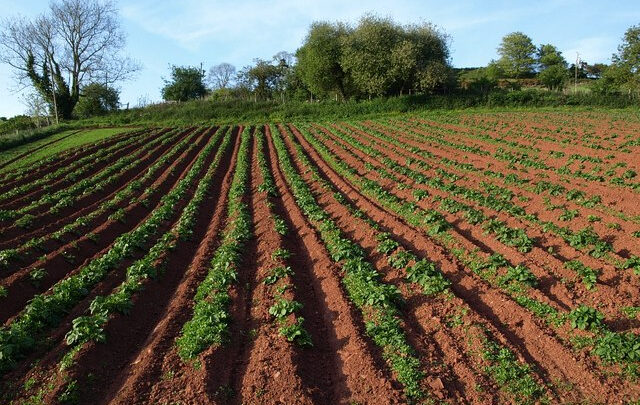
Do organic farms use pesticides? How organic and conventional farming differ
Understanding how food is produced can help consumers make choices that support healthier soil, water, pollinators, and communities.
July 7, 2026
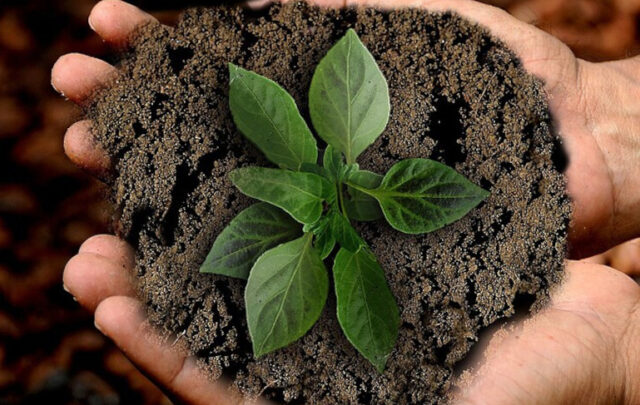
Organic Farming Increases Soil Carbon and Helps Counter Climate Change
However, while organic food is sometimes hard to find and more expensive, it is a relatively simple step that many of us can incorporate into our daily lives, providing a crucial opportunity to help mitigate climate change.
December 4, 2024

