

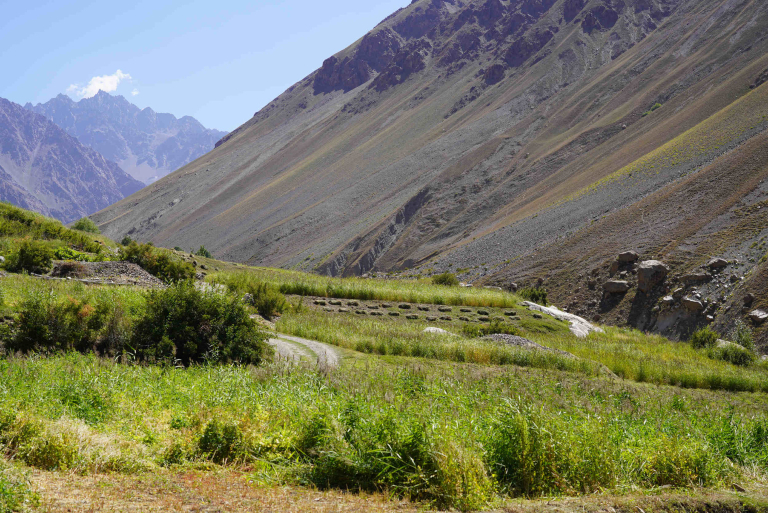
“Ravmed does not measure success in numbers alone. It measures it in full granaries, educated children, and fields that continue to feed both body and spirit.”
High in the Pamir Mountains—where the land rises toward the sky and roads fade into footpaths—sits the village of Ravmed. Reached only by a long journey from Dushanbe and a final trek from the Bartang Valley road near Khijez, Ravmed is not simply a place on a map. It is a living testament to resilience, knowledge passed through generations, and a community that has learned how to survive—and thrive—on the Roof of the World.
At nearly 2,800 meters above sea level, Ravmed is nestled within the Ravmeddara gorge, surrounded by dramatic, untouched mountain landscapes. Here, life follows the rhythms of nature. Wheat fields ripple in the thin mountain air, livestock graze across vast stretches of land, and neighbors rely on one another as much as they rely on the soil beneath their feet.
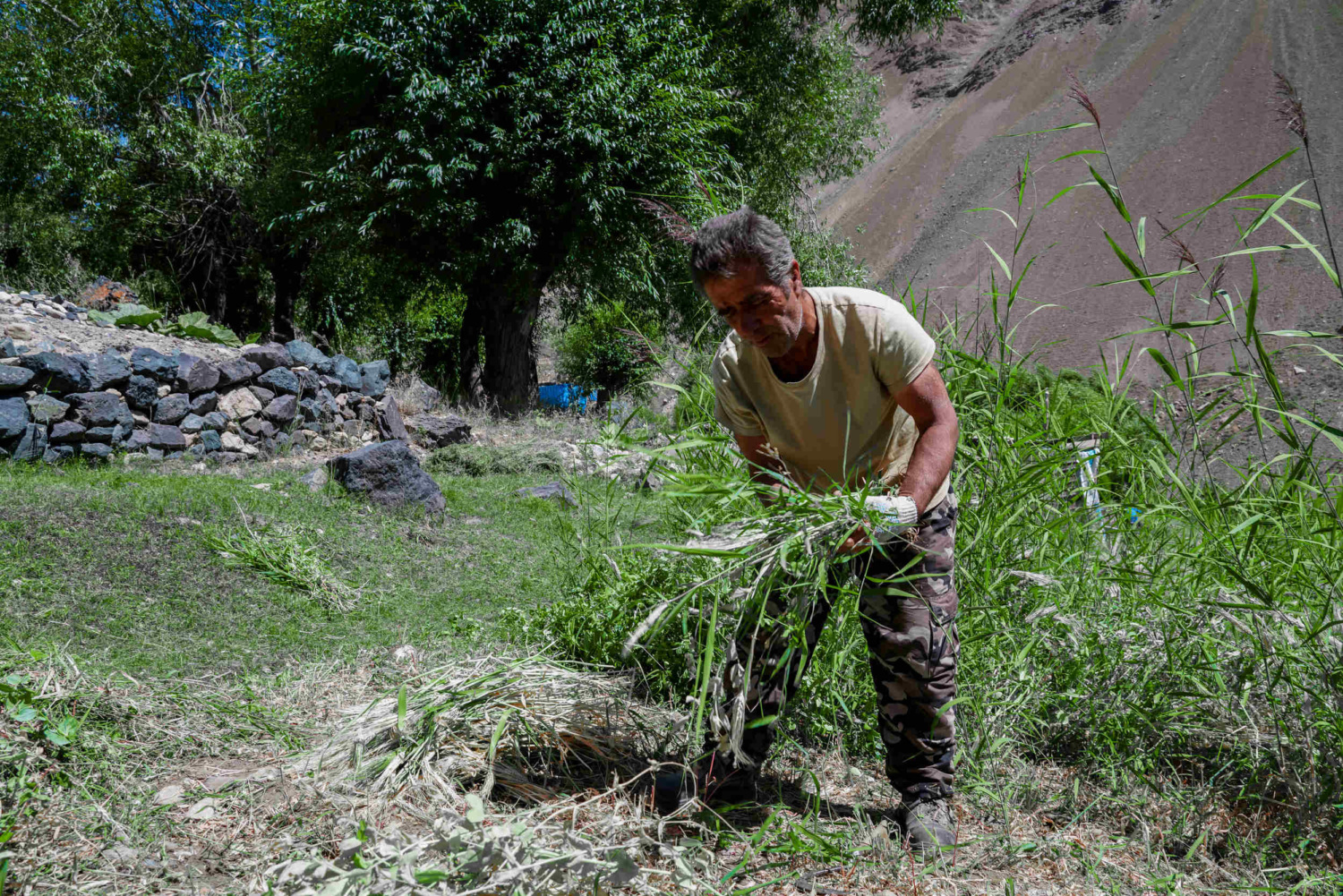
Photo Credit: Umed Qurbonbekov
A Village Rooted in Community
Ravmed is home to around 70 households, each bound together by shared labor, shared meals, and shared responsibility. Families live in traditional Pamiri homes, built around architectural elements such as the chorkhona and rauzan—spaces designed not just for shelter, but for gathering, storytelling, and warmth.
Hospitality is not an exception here; it is a way of life. Travelers who make it to Ravmed are often welcomed into homes, offered meals made from locally grown food, and invited to experience daily village life—from baking bread in stone ovens to witnessing weddings steeped in centuries-old traditions. Ancient belief systems—heathen, Zoroastrian, and Ismaili—interweave seamlessly into modern life, shaping rituals and values that continue to guide the community.
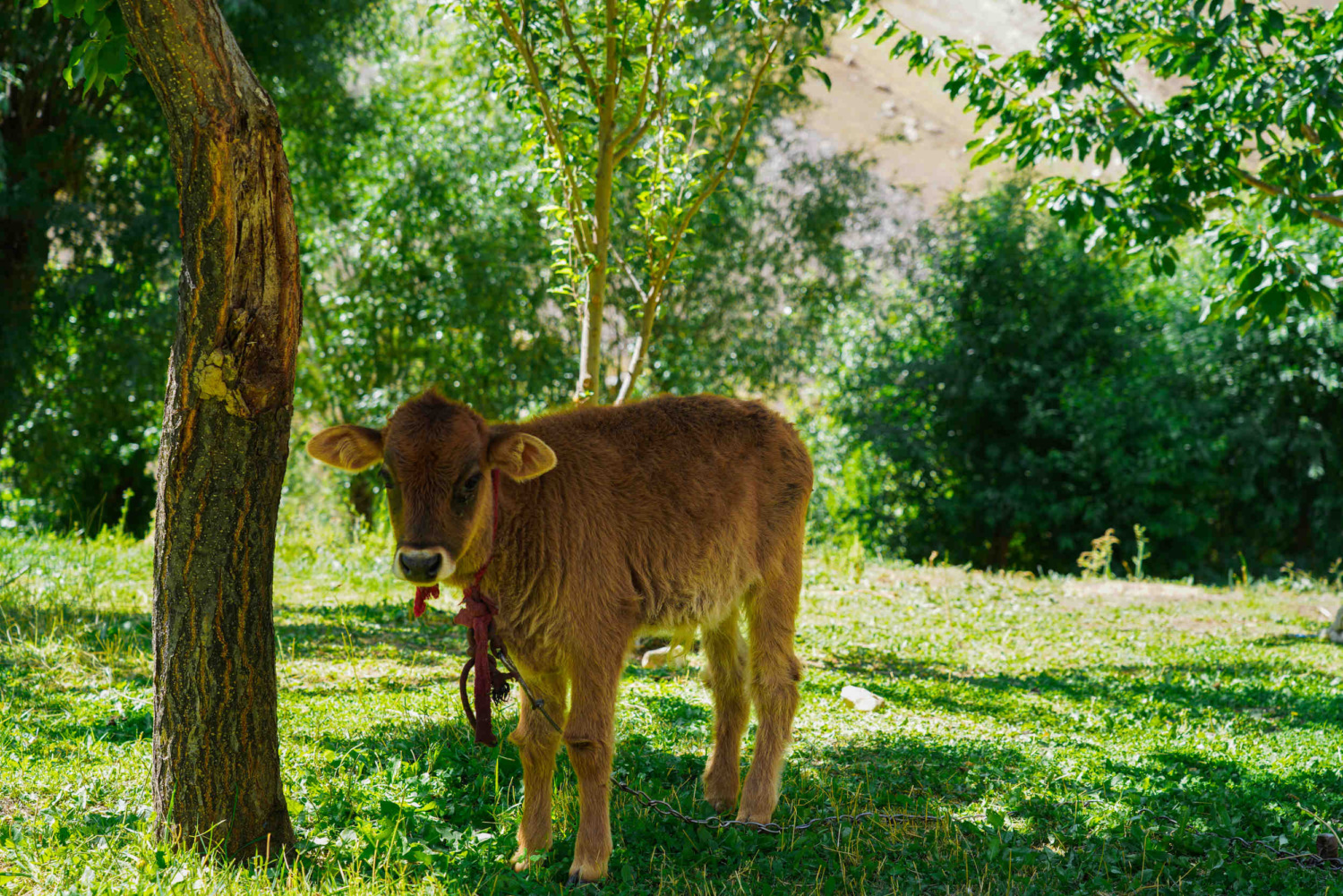
Photo Credit: Umed Qurbonbekov
“Farming Has Always Been Our Duty”
For Khojiev Amrikhudo, Ravmed’s school director and a teacher with 27 years of experience, the village’s identity is inseparable from agriculture.
“There are 70 households in the village,” he explains, “and the basis of life here is agriculture, farming, and livestock.”
The village cultivates approximately 18–20 hectares of land, almost entirely dedicated to wheat. Potatoes grow well too, but wheat remains central—not only because it thrives in Ravmed’s climate, but because of a unique local variety known as “rushtak.”
“We brought many types of wheat here,” Amrikhudo recalls, “but none of them grows as well as the local one. When we compare our wheat to wheat grown in other villages, none of them has such high calories.”
This wheat has sustained Ravmed through some of the most difficult periods in recent history. During the civil war in Tajikistan, when food shortages affected many communities, Ravmed endured with fewer hardships.
“As far as I know,” he says, “no one here had as difficult a time as other villages—because of our rich land.”
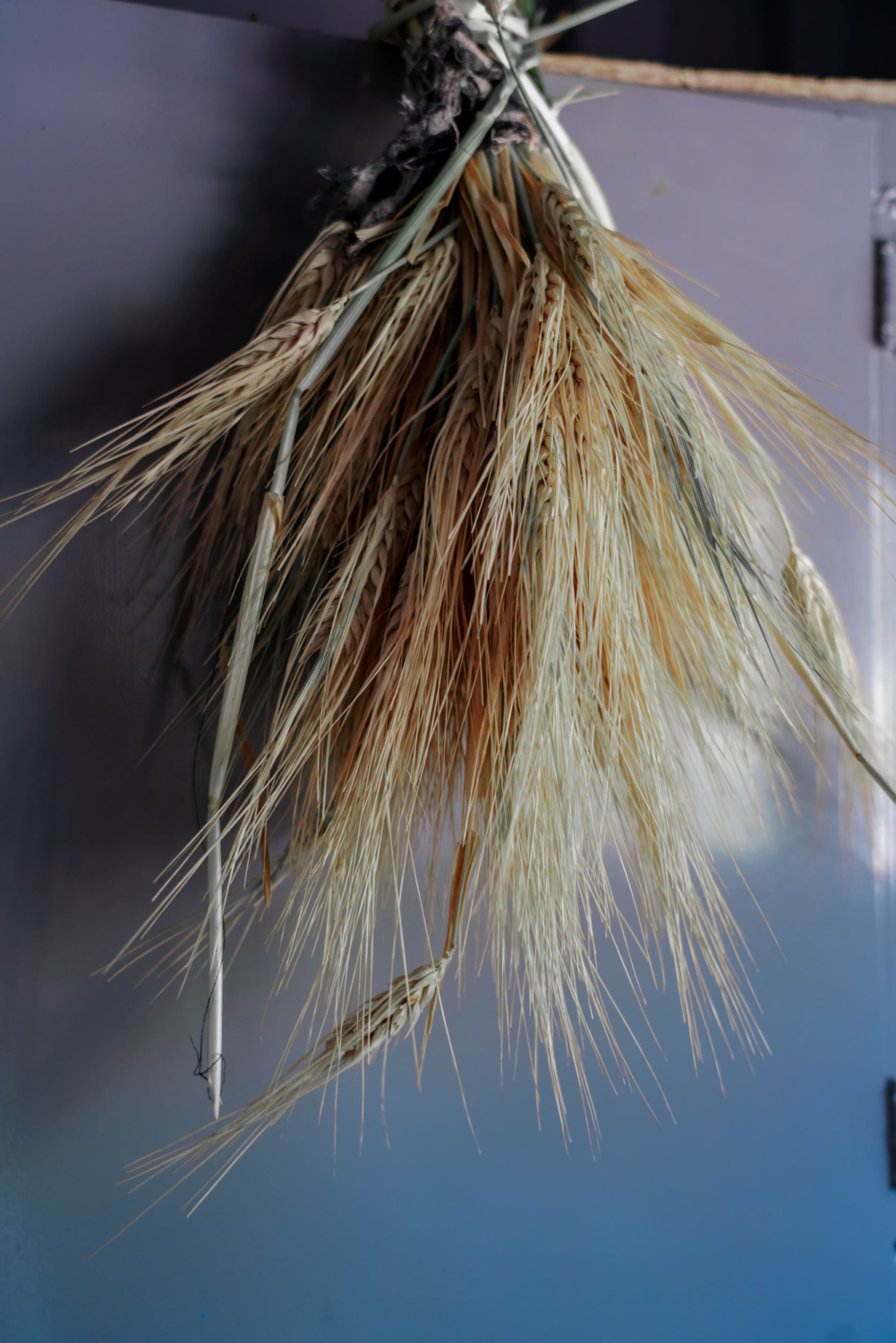
Photo Credit: Umed Qurbonbekov
Protecting a Seed That Feeds Generations
For years, Ravmed’s greatest struggle was not growing wheat—it was preserving the seed.
Before outside support arrived, families stored seeds inside their homes. Mice, moisture, and disease often destroyed them. A bad harvest could mean no seeds for the next season.
That changed with the establishment of a community seedbank in 2018–2019, supported by government institutions and development organizations.
“Now, we have a special place for storing seeds,” Amrikhudo explains. “Specialists determine which seeds are healthy, which can be planted, and which must be stored.”
The seedbank operates on trust and solidarity. Farmers store their seeds in autumn, labeled with their names. If someone loses their harvest to disease or weather, they can borrow seeds and return the same amount after the next harvest.
“Last year my wheat was infected,” Amrikhudo shares. “I went to the seedbank and took seeds without worrying. After harvesting, I will return them.”
This system has eliminated fear and competition. Seeds no longer disappear. They are shared, protected, and improved year after year.
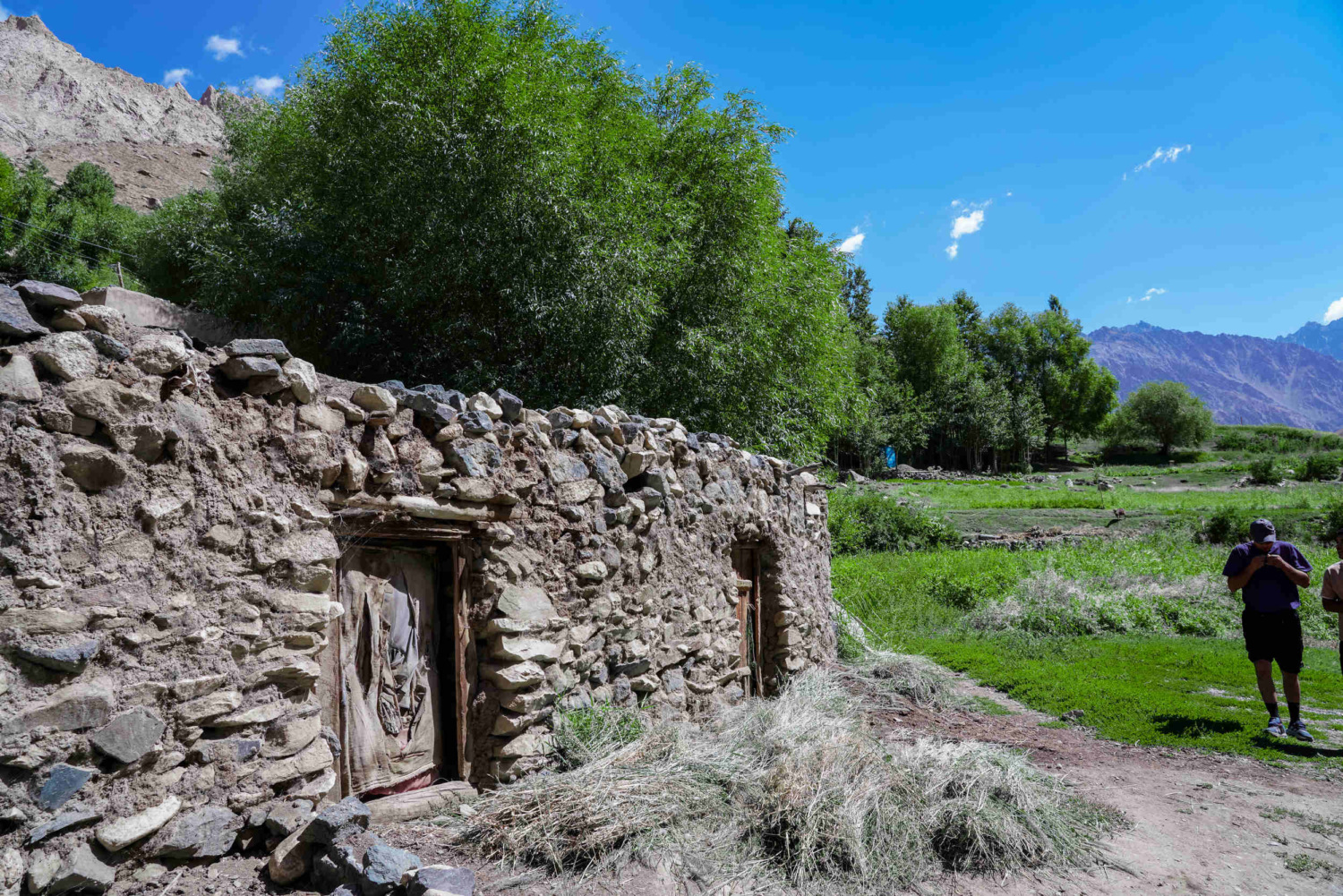
Photo Credit: Umed Qurbonbekov
Technology, Tradition, and Volunteering
According to Shaydoev Shabon, head of Ravmed’s village technology group, progress came through collective action.
“We created a technology group of 10 people,” he says. “Our goal was to increase the wheat harvest and conserve local seeds.”
When the seedbank container arrived, the entire village volunteered—from unloading it from the crane to placing it in position. Mamadaliev Partov was chosen as the volunteer responsible for managing the seedbank, serving the community without pay.
The system is simple, transparent, and effective—built on accountability rather than contracts.
“The main purpose,” Shabon explains, “is to conserve local seeds and not lose them.”
Alongside seed preservation, new water canals—stretching up to five kilometers—have allowed Ravmed to finally use 100% of its land. Planting one wheat variety at a time has reduced soil disease, improved yields, and strengthened food security.
Today, Ravmed’s wheat is known beyond the village. It is sold in city markets, sought after for its nutritional value—especially for children and pregnant women.
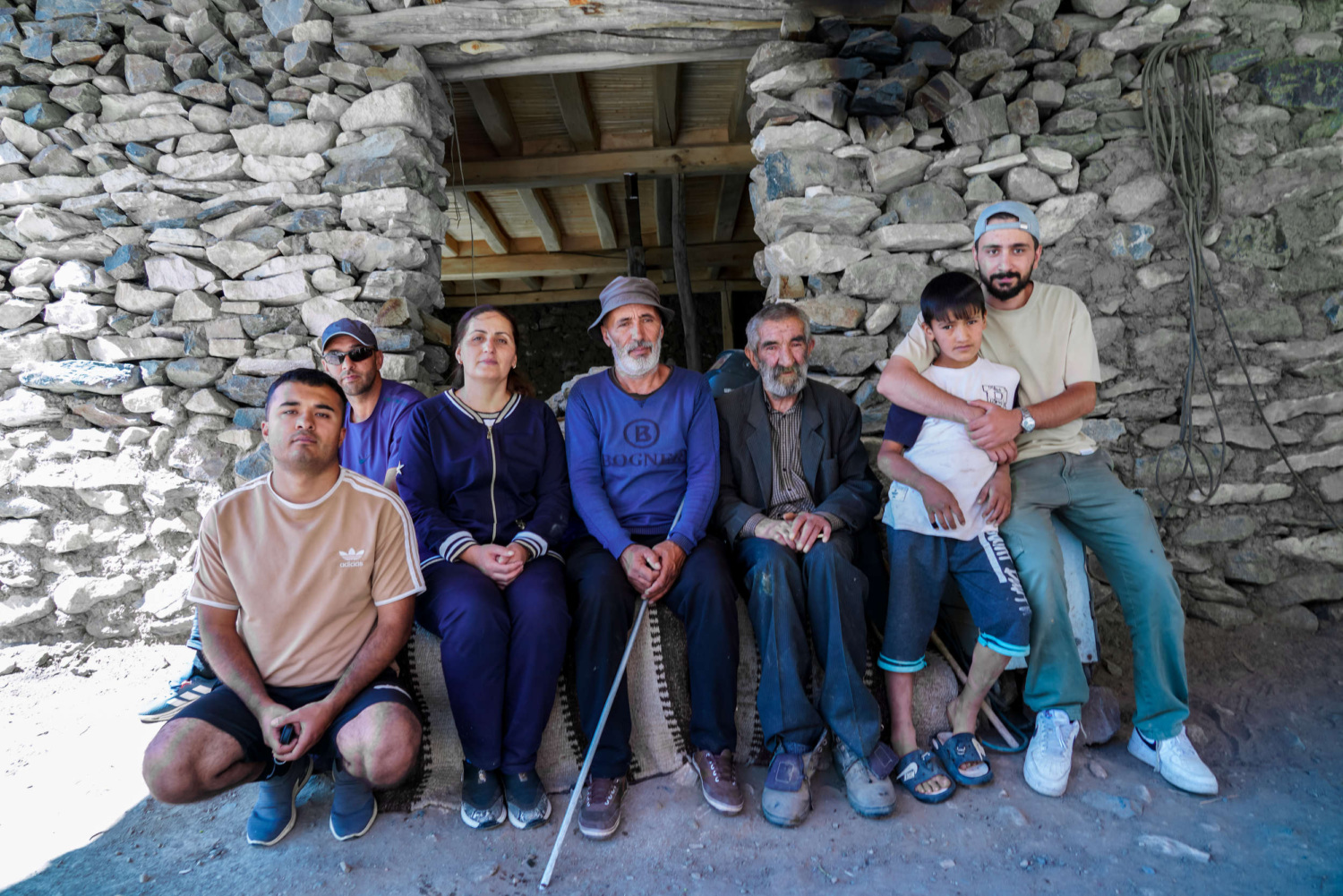
Photo Credit: Umed Qurbonbekov
A Future Grown from the Past
Ravmed does not measure success in numbers alone. It measures it in full granaries, educated children, and fields that continue to feed both body and spirit. The village school educates 53 students, many of whom have received national awards in recent years—a reminder that even in the most remote places, potential flourishes when supported.
Here, the mountains do not isolate, they protect. The seeds do not merely grow—they carry memory, survival, and hope.
Ravmed’s story is not just about wheat.
It is about people who refused to let their heritage disappear, who safeguarded what their ancestors handed down, and who continue—season by season—to plant a future rooted firmly in the past.



Comments
We changed commenting systems on September 10, 2026 as part of a site-wide functionality and security upgrade. Your past comments have not disappeared, and you can still log in with your old Disqus account credentials if you wish. Contact us with any questions.