Recorded March 15, 2023
Description
In this Frankly, Nate shares some context about how he thinks about the recent global banking and financial market news. How do the catalysts triggering the SVB collapse compare to the 2008 financial crisis? What might world financial market reactions indicate as we move closer to The Great Simplification? What can we learn and proactively plan for by taking a balanced, comprehensive view of the global financial system and banking? One thing to be sure of: world governments and central banks “are gonna need bigger boats” as more and more entities require bailouts and guarantees. Eventually that ‘boat’ may become so big that it will be “Too Big to Save”.
Show Notes
00:07 – Frankly #25
00:22 – Silicon Valley Bank and Credit Suisse
01:51 – The Four Horsemen
03:08 – Financial Leverage
03:15 – Positive Yield Rate
03:55 – 18 trillion dollars worth of bonds in negative interest rates in 2020
06:21 – Solvency issues of 2008/2009 bank failures
06:24 – US Government bailout of depositors in SVB failure
06:56 – 100 basis point drop in federal funds rate ending point on the tightening cycle
07:33 – FDIC Insurance Amount
08:33 – Russian-Ukraine War’s Effects on Europe’s resource access
08:59 – Germany’s deficit increase
10:03 – Lehman Brothers, Too Big To Fail
10:24 – JP Morgan
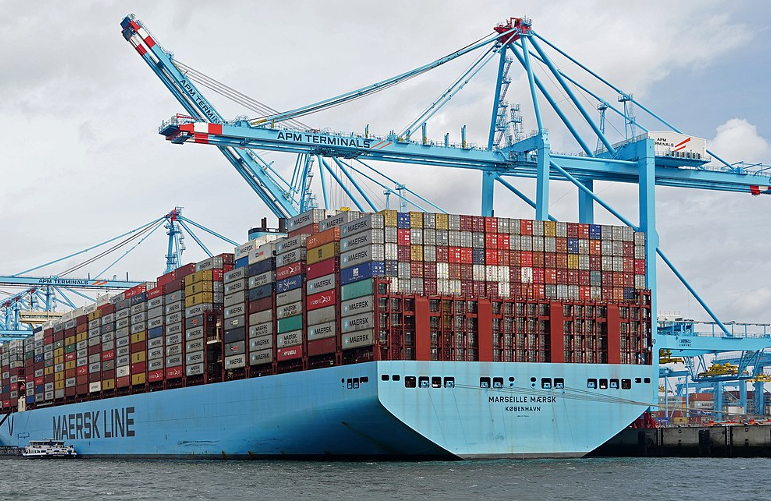
Teaser photo credit: By kees torn – MAERSK MC KINNEY MÖLLER & MARSEILLE MAERSK, CC BY-SA 2.0, https://commons.wikimedia.org/w/index.php?curid=82090447