

In the inaugural episode of Podcast from the Prairie, Wes Jackson and Robert Jensen explored some of the key influences on Jackson’s distinctive philosophy, on how he came to embrace an ecological perspective and a “creaturely worldview.” In Episode 2, “Respecting Your Tools,” the focus is on the jobs Jackson has had in his life and what lessons he learned along the way. The story starts with work on farms and ranches while growing up, before Jackson became a welder to pay for college. After graduating, Jackson taught at a high school and then a college and university. In 1976, Jackson gave up the security of a tenured faculty position at a California university to return to Kansas and take a gamble on starting an alternative school, The Land Institute, that led to internationally recognized research on sustainable agriculture. In this episode, Jackson reflects on the importance of honoring the people and tools one works with, on the sweat and joy that comes in committing fully to a task, and the kind of work necessary if there is to be a sustainable future.
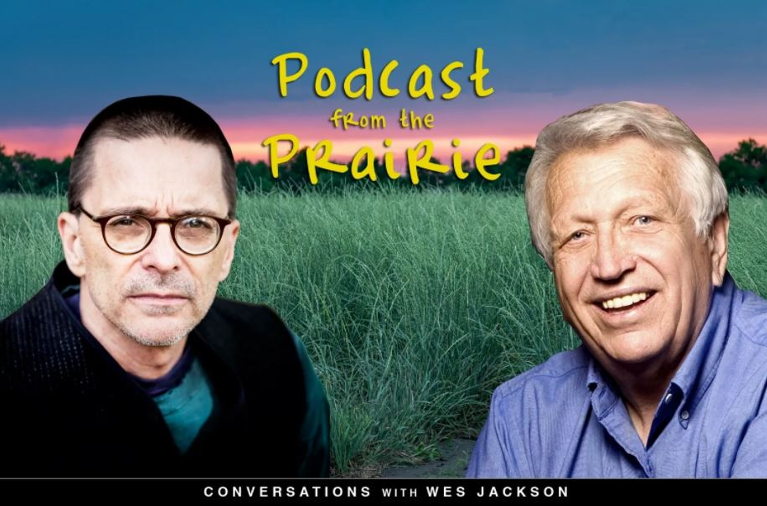
Podcast from the Prairie – Episode 2: “Respecting Your Tools” by mj is licensed under a Creative Commons License

Related Articles
'SELECT SQL_CALC_FOUND_ROWS wp_posts.ID
FROM wp_posts LEFT JOIN wp_term_relationships ON (wp_posts.ID = wp_term_relationships.object_id)
WHERE 1=1 AND wp_posts.ID NOT IN (3483531) AND (
wp_term_relationships.term_taxonomy_id IN (3,4,8988,8997)
) AND wp_posts.post_type = \'post\' AND ((wp_posts.post_status = \'publish\'))
GROUP BY wp_posts.ID
ORDER BY wp_posts.post_date DESC
LIMIT 0, 3'
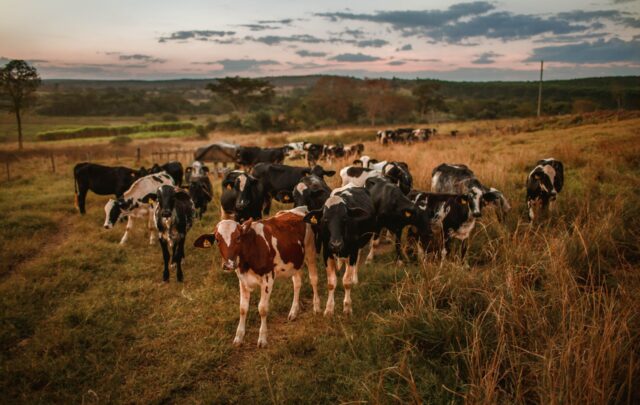
Climatological limits to livestock: A plea for plant-based diets
Moving toward plant-based diets will not, by itself, solve the climate problem, but it is necessary for solving it.
September 10, 2026
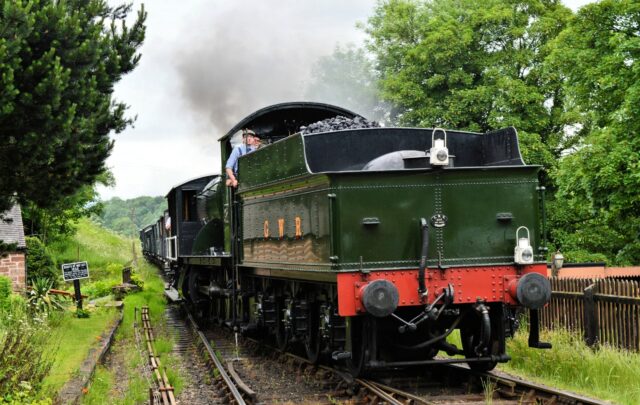
‘Smoky Skies and Freight Trains’: Sign of the times of extinction
For years, as a classic climate activist, I didn’t think to consider how logging might be contributing to inland fires. I saw only carbon.
September 10, 2026
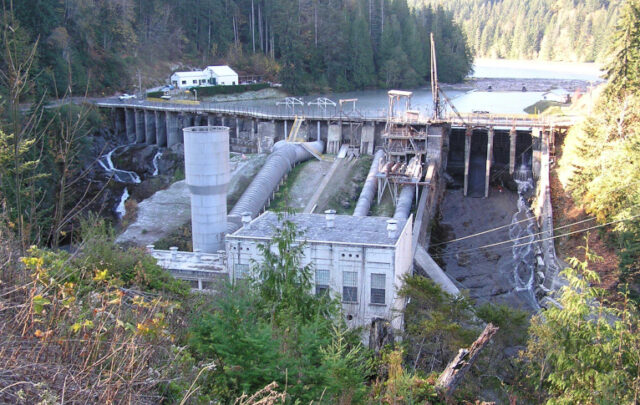
Why America is removing thousands of dams and letting rivers flow freely: Excerpt
After centuries of dam building, a nationwide movement to dismantle these aging barriers is showing how free-flowing rivers can restore ecosystems, improve safety, and reconnect people with nature.
September 9, 2026


Comments
Welcome to the new Resillience commenting system!
We have moved from the former Disqus commenting system to a new system as of September 10, 2026.
We made this change because of privacy concerns regarding Disqus. It's also part of a set of changes to bring more services to the Resilience community under a single login: commenting, (coming September 2026), and online courses (coming 2027). Unfortunately, your old Disqus comments may not reliably link to your account in this new system. Please contact us if you have any questions or concerns.