

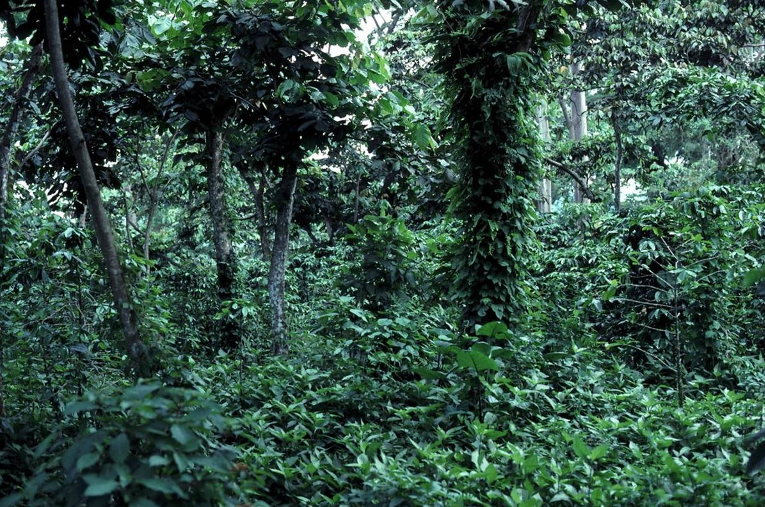
Occam’s Razor is a principle that tells us that the simplest solution to a problem tends to be the correct one. Farmers around the world are abiding by this philosophy in droves by practicing agroforesty, an ancient agricultural technique that supports biodiversity while simultaneously sequestering carbon. This week on Sea Change Radio, we learn all about agroforestry from Erik Hoffner, an editor at Mongabay. Hoffner takes a look at examples of agroforestry efforts around the globe, examines recent investments into the sector and shows how it stacks up to large, industrial agricultural systems. As you’ll see, sometimes the best answers are right under our noses the whole time.
Related Articles
'SELECT SQL_CALC_FOUND_ROWS wp_posts.ID
FROM wp_posts LEFT JOIN wp_term_relationships ON (wp_posts.ID = wp_term_relationships.object_id)
WHERE 1=1 AND wp_posts.ID NOT IN (3474443) AND (
wp_term_relationships.term_taxonomy_id IN (4,8988,8992,8997)
) AND wp_posts.post_type = \'post\' AND ((wp_posts.post_status = \'publish\'))
GROUP BY wp_posts.ID
ORDER BY wp_posts.post_date DESC
LIMIT 0, 3'
Proposed Federal changes to grant rules increase uncertainty and risks for farmers
Funding freezes, grant terminations, program cancellations, and a woefully understaffed USDA have disrupted the programs and services farmers and rural communities rely on to build environmentally resilient and economically viable businesses.
September 1, 2026
We started a farming club. Why you should start one too
We are long overdue for a return to growing our own food, and the farming club offers a promising way to reconnect with that tradition.
August 28, 2026
Four food safety laws under threat from the ‘Save Our Bacon Act’
For several years now, a few Republican lawmakers and their Big Ag allies have pushed federal legislation to effectively preempt, or block, state food safety and animal welfare laws.
August 21, 2026

