

Wanting to demonstrate that “cities can be less impactful on the planet,” natural builder Lydia Doleman bought and remodeled a Portland house to demonstrate her values. Composting toilets reduce water usage while feeding the soil. Growing food shortens dependencies. Building materials were recycled and/or less toxic. She revised the floor plan to create spaces which encourage shared living rather than separate spaces. She also built Portland’s first permitted straw bale residence a cob studio and. Take a tour with Lydia in part 2. Episode 246. [theflyinghammer.com]

Related Articles
'SELECT SQL_CALC_FOUND_ROWS wp_posts.ID
FROM wp_posts LEFT JOIN wp_term_relationships ON (wp_posts.ID = wp_term_relationships.object_id)
WHERE 1=1 AND wp_posts.ID NOT IN (1958309) AND (
wp_term_relationships.term_taxonomy_id IN (5,8988)
) AND wp_posts.post_type = \'post\' AND ((wp_posts.post_status = \'publish\'))
GROUP BY wp_posts.ID
ORDER BY wp_posts.post_date DESC
LIMIT 0, 3'
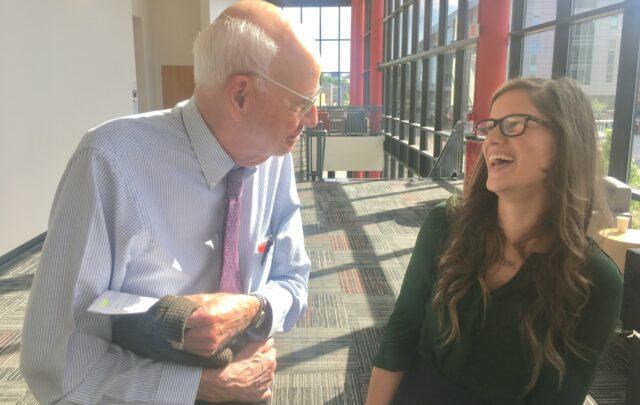
Remembering Wendell Berry: Poet, visionary, correspondent, namer, and friend
Wendell supported the writers, scholars, farmers, and activists who shared his interest in the fate of good farms, strong communities, and healthy ecosystems, helping us become more than we ever could have without his wisdom and support.
September 4, 2026
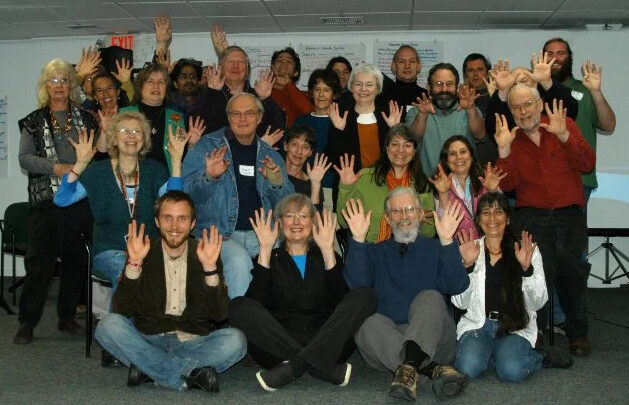
Nobody ever said changing the world would be easy: Resources for making positive change
Drawing on the insights of more than 1,000 groups worldwide, here is a compilation of stories, guides, webinars and an ongoing discussion course to help communities drive long-term change.
September 3, 2026
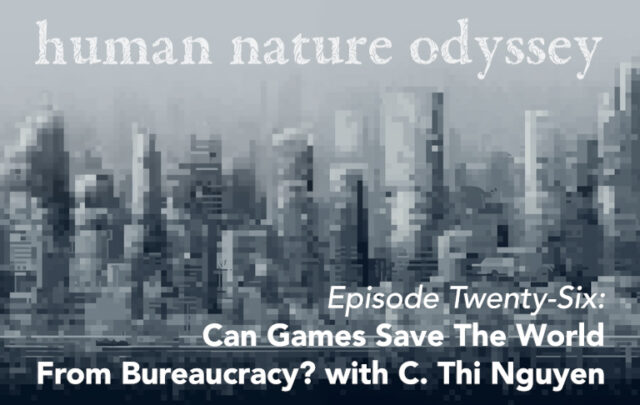
Human Nature Odyssey, Episode 26. Can Games Save The World From Bureaucracy? With C. Thi Nguyen
How did humans go from living in small-scale communities where everyone knew each other to building a massive civilization filled with billions of strangers? Philosopher C. Thi Nguyen, author of “The Score,” joins the odyssey to explore the strange relationship between games and large-scale society.
September 2, 2026

