
Gunnar Rundgren has worked with most parts of the organic farm sector. He has published several books about the major social and environmental challenges of our world, food and farming.

Insight and inspiration in turbulent times.
Gunnar Rundgren has worked with most parts of the organic farm sector. He has published several books about the major social and environmental challenges of our world, food and farming.
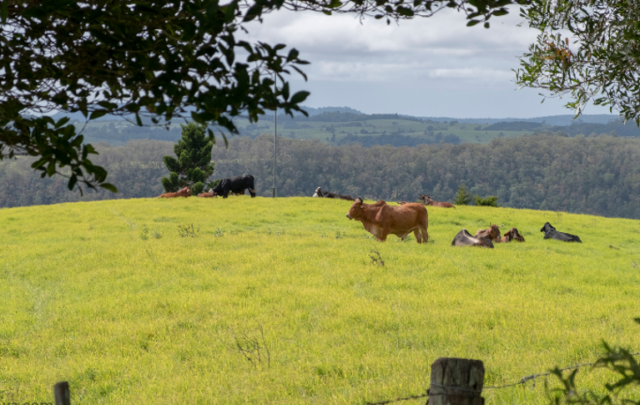
The EU Commission launched a livestock strategy and an action plan for the “protein system” in July. Predictably, reactions have varied.
September 23, 2026
Let us call the bluff of industrial agriculture.
July 29, 2026
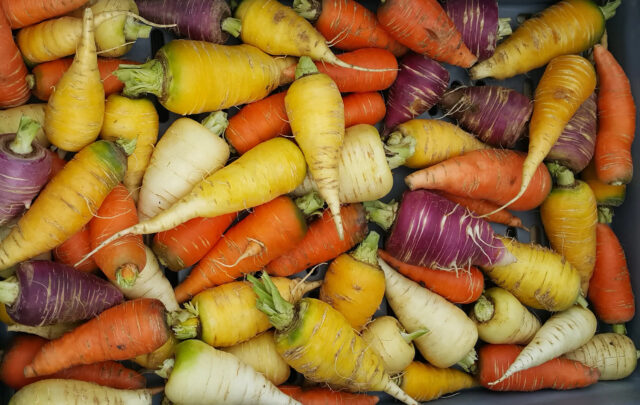
The impression that we can eat what we want fits neatly with a neoliberal story that treats capitalism as democratic, where people “vote with their wallets”. But this is an illusion. Rather than putting our faith in green consumerism to rebuild food systems, we should strive to de‑commodify food.
June 22, 2026
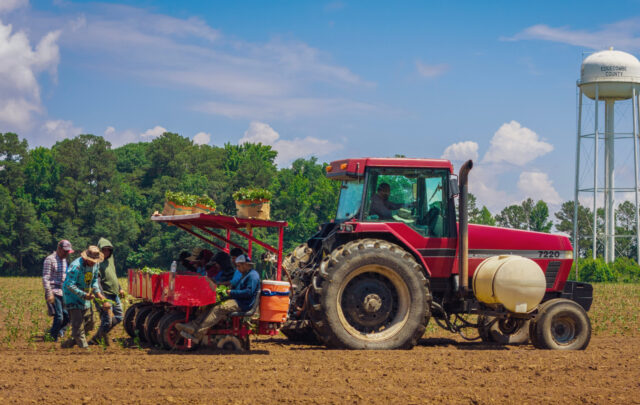
Farmer organisations should stop selling agriculture as just another industry and instead reclaim it as a mission rooted in land stewardship and care for animals and ecosystems. But with many farmers locked into debt and infrastructure that bind them to the current model, meaningful change can’t rest on farmers alone, the responsibility rests with society at large.
June 15, 2026
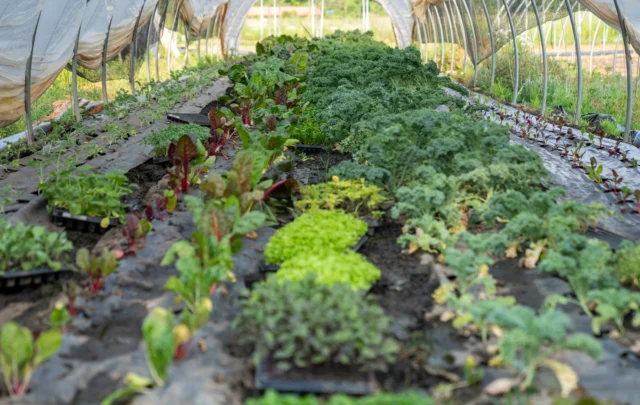
Small farms rarely make a decent living in commodity markets. It’s time to stop chasing scale and start building resilient, relationship-based food systems instead.
June 1, 2026
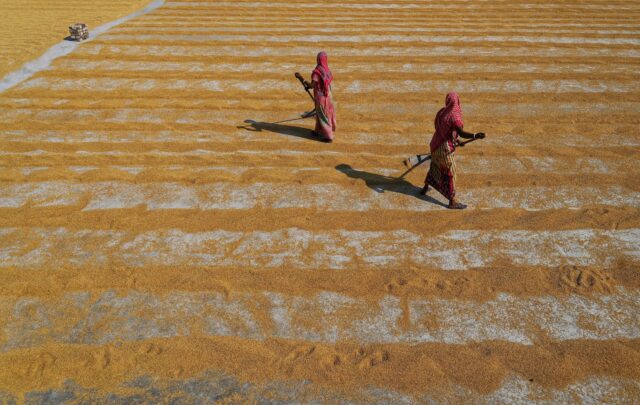
Modern economies depend on unpriced ecosystem functions and undervalued care and reproductive labor—essential inputs that are difficult to commodify. This tension helps explain environmental degradation, social strain, and the limits of market systems.
April 9, 2026

