


Click on the headline (link) for the full text.
Many more articles are available through the Energy Bulletin homepage
Can sustainability save the Midwest?
Sarah Kuck, Worldchanging
Since World War II, Midwestern farmers have been encouraged to use machinery, chemicals and government policies to ramp up crop and livestock production to feed the growing population and economy. But since then, many farmers have felt the harmful effects of this quantity-over-quality production model, and have started to investigate how to make their methods more sustainable.
During the past few decades, small organizations promoting sustainable agriculture have been popping up and banding together across the Midwest to create a patchwork of information, support and tools for those interested in taking part in the sustainable agriculture movement.
Groups like the Midwest Sustainable Agriculture Working Group and its lobbyist sister group the Sustainable Agriculture Coalition started promoting ideas of sustainable farming in 1988. The coalition is made up of farm, food, rural, religious and conservation organizations that work together to advance grassroots sustainable agriculture perspectives within the Department of Agriculture.
(12 August 2008)
Everybody eats: The unifying power of food
Sharon Hoyer, WorldChanging
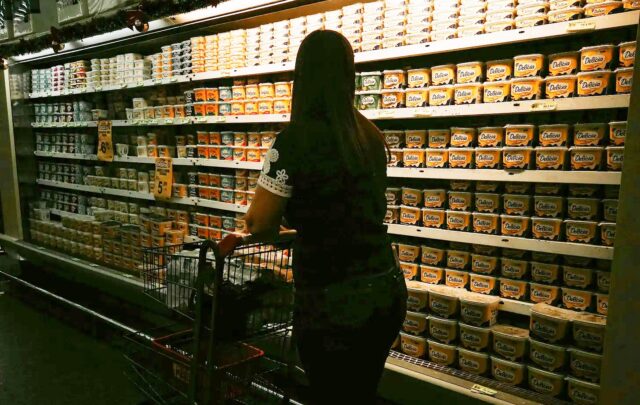
There probably isn’t a single issue of sustainability and health that consistently strikes as passionate a chord as the production, distribution and preparation of food. It makes sense—what we take into our bodies is a very tangible part of our constitution; if we truly are what we eat, than what we choose to eat sends a powerful message about our relationship with the world.
Perhaps this is why the food movement so successfully unites people from all hues of the political spectrum. Case in point: the cover of last month’s American Conservative was a treatise on how food movements like Locavorism and Slow Food exemplify conservative values.
In “Food for Thought,” John Schwenkler makes the case that good food—food unmitigated by government subsidies and regulations, food distributed by small, independent farms—fits tidily into the conservative ethos.
(13 August 2008)
Charles in GM ‘disaster’ warning
BBC Online
Companies developing genetically modified crops risk creating the biggest environmental disaster “of all time”, Prince Charles has warned.
GM crops were damaging Earth’s soil and were an experiment “gone seriously wrong”, he told the Daily Telegraph.
A future reliance on corporations to mass-produce food would drive millions of farmers off their land, he said.
The government said it welcomed all voices in the “important” debate over the future potential role of GM crops.
However, BBC royal correspondent Nicholas Witchell said the prince’s “robust” comments were “likely to rankle with the government”, which has given the go-ahead to a number of GM crop trials in the UK since 2000…
(13 August 2008)
Thurstaston farmer shocked by lack of support for switch to local produce at Church Farm
Matt Hurst, Wirral News (UK)
AN AWARD-WINNING organic farmer says he is “amazed” at the negative response since changing
the emphasis of his shop from “organic” to “local” produce.
Steve Ledsham, who owns and runs Church Farm in Thurstaston, estimates he has lost more than 200 customers since announcing his desire to forego well-travelled organic food for vegetables, fruit and meat sourced within a 25-mile radius.
The former firefighter continues to grow organic food and carries a wide range of organic produce, but says he will no longer prioritise organic items that have travelled thousands of miles, preferring to back local farmers.
(13 August 2008)
Soaring fertiliser prices threaten world’s poorest farmers
John Vidal, The Guardian
A global fertiliser crisis caused by high oil prices and the US rush to biofuel crops is reducing the harvests of the world’s poorest farmers and could lead to millions more people going hungry, according to the UN and global food analysts.
Optimism that soaring food commodity prices could lift millions of developing country farmers out of poverty and lead to more food being grown have been dashed, says the UN.
This is because small farmers either consume their own crop or have no access to global markets to take advantage of the higher food prices.
There is little prospect of relief. A world fertiliser forecast report, due to be published by the UN this week but seen by the Guardian, states that prices will remain high for at least three years and possibly longer.
Fertiliser prices have mostly doubled and in some cases risen by 500% in 15 months as US farmers have rushed to plant more biofuel crops and countries such as India and China have bought fertiliser stocks in large quantities to guarantee their food stocks.
(12 August 2008)


Comments