


Prices and production
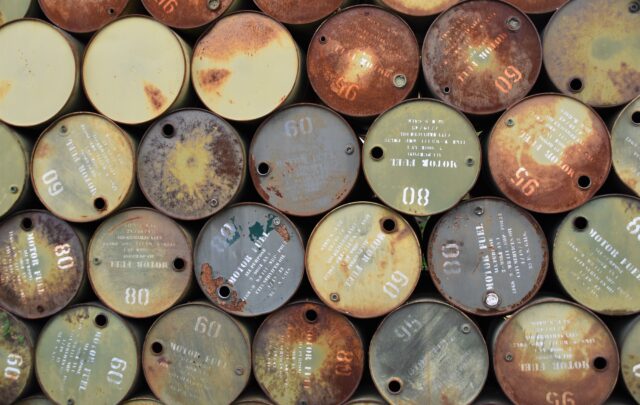
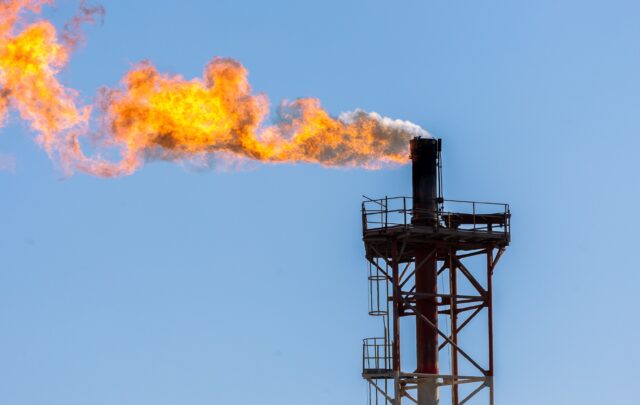
Oil prices have dropped steadily this week, closing Wednesday at $60.14 a barrel after touching $73 last week. Prices are down 16 percent since the end of June. Crude fell $2.79 a barrel after this week’s stocks report showed that gasoline and distillate stockpiles grew by a total of 6 million barrels last week, suggesting that demand in the US remains very weak as we move into the summer driving season. Hopes for a broad economic turnaround continue to fade as the equity markets move lower. The EIA remains hopeful that the global economy will rebound and has increased its estimate of worldwide consumption in 2009 by 170,000 b/d to 83.85 million b/d.
In Nigeria, the MEND continues to attack oil facilities belonging to Shell and Chevron at a steady pace. Earlier this week, the MEND blew up a manifold controlling about 80 percent of Chevron’s offshore production that is loaded on tankers in Delta state. The government keeps a tight rein on information concerning how much production has been cut, but a local newspaper reported that some 600,000 b/d have been shut in by attacks during the last six months, suggesting that Nigerian production may be well below 1 million b/d. At least 12,000 Nigerian oil workers have lost their jobs because of the attacks. The flow of natural gas from Nigeria to Ghana, Benin, and Togo has been halted by the attacks.
Turmoil following the Iranian election continues. Major splits are developing within the ruling elite which could threaten the legitimacy and stability of the Islamic Republic. In the short term there does not seem to be a threat to oil exports. However, capital is fleeing the country and the prospects for foreign investment in Iran’s oil industry have dimmed considerably.
Reining in Speculation
The major development of the week may turn out to be the announcement by the Commodity Futures Trading Commission that it will consider measures to curb speculation in the energy markets. The move is aimed at reducing the unprecedented volatility the oil markets have seen in the last two years by limiting the amount of trading the large Wall Street hedge funds and investment banks are allowed to conduct. Britain and France are planning similar moves to reduce opportunities of sidestepping US regulations.
While much of the speculation is done by commercial traders such as oil companies, utilities, and airlines seeking to protect themselves against energy price swings, in recent years financial firms seeking to profit from price changes have poured in hundreds of billions speculating on the oil markets. There is a growing worldwide consensus that speculation by financial institutions is distorting the markets and doing considerable economic damage.
The proposals will be strongly resisted by Wall Street financial institutions that have been using the commodity markets as a hedge against moves in the currency markets. The hearings on all this will make for an interesting summer.




Comments
Welcome to the new Resillience commenting system!
We have moved from the former Disqus commenting system to a new system as of September 10, 2026.
We made this change because of privacy concerns regarding Disqus. It's also part of a set of changes to bring more services to the Resilience community under a single login: commenting, (coming September 2026), and online courses (coming 2027). Unfortunately, your old Disqus comments may not reliably link to your account in this new system. Please contact us if you have any questions or concerns.