


Energy Bulletin is honored to publish this extensive paper by Joseph DiNunno, a retired engineer with a 64-year career in in the electrical/nuclear field, with emphasis on the “safety of nuclear reactors and environmental considerations in power plant siting.” He has worked for the Atomic Energy Commission (AEC), the NUS Corporation, and in many other positions.
Early in his career, Mr. DiNunno served in the Naval Reactor group under Admiral Hyman Rickover, whose prescient 1957 talk on energy we recently published. Mr. DiNunno spent the last 10 years of full-time employment with the Defense Nuclear Facilities Safety Board (DNFSB) under presidental appointments, approved by the Senate. He went into partial retirement in 2002, but remains active as a part-time consultant to the Board.
This posting is a summary of the complete paper, which is published for the first time anywhere.
-BA
Summary
Our fossil fuels are finite and global supplies, particularly oil and gas are dwindling at an ever faster rate as global populations increase and industrialization accelerates. While use of such fuels has allowed proportionate increase in standards of living, their use is also causing threat to our global, natural environment. The future welfare of man is at stake. Increased use of known forms of renewable energy and energy efficiency can slow the depletion rate, but do not provide assurance of adequacy of energy supplies for generations yet to come.
Energy locked in the atom appears to be the only promising alternative to the fossil fuels for the long term. However, applications of nuclear technology must advance beyond the uranium fuel cycle of today. The promise of nuclear energy, other than another temporary pressure relief valve, lies in the breeder reactor. By extending the useable life of uranium fuels through re-processing and by converting fertile, non-fissionable materials, into fissionable form, there is promise that atomic energy can supply much of our energy needs far into the future.
Our nation’s reactions to date, relative to our energy future, are reflected in the Energy Policy Act of 2005. This legislation requires some modest shift to renewable forms of energy and stimulates efforts to increase domestic supplies of oil and gas but embodies little that mandates changes in behavior patterns of energy users, particularly for transportation. While encouraging voluntary efforts to reduce uses of fossil fuels which are the major man-made source of gases contributing to global warming, our national government has refused to commit to action-forcing measures on this matter in cooperation with international efforts.
While leaderships of our political parties pledge to address our energy future, nothing approaching a promising, long-term strategy is likely to emerge unless a far different approach to planning is taken by our elected officials. Although this paper does address technical solutions that appear to have merit for both the near term and longer term, the unique thrust of the paper is to suggest measures for the long term that might facilitate the development and enactment by Congress of a more promising, forward-looking energy program.
Crucial actions suggested towards this end include the following:
- Establish a Joint Congressional Committee on Energy (JCCE)
Such a group could serve to replace and integrate the activities carried on now by a multiple set of Congressional Committees, each now having a somewhat different focus and objectives. Such a successful joint committee was formed years ago as the Joint Committee on Atomic Energy to oversee the Atomic Energy Act of 1954.
- Establish a National Commission on Our Energy Future
The difficulty Congressional leadership experienced in enacting the Energy Policy Act of 2005 and the controversy the present Administration caused by its closed strategic planning for our energy future suggest that an alternate approach be taken to formulation of a long-term plan forward. Congress should move expeditiously to create a National Commission on Our Energy Future modeled after the 9/11 Commission. The concept of an independent Commission has served well in formulating recommendations on multi-faceted, complex national issues such as military base closings and restructuring of the Security and Intelligence Agencies of our government.
- Develop a Global Approach to a Global Issue
Energy independence is a more an ideal than a reality. Energy supply is a global necessity. A secure energy future is a global need requiring a global solution. Dwindling supplies and increased global demands are forces that will create tensions that are fraught with peril, as nations compete for supply. They will compete peaceably at first, to maintain or improve lifestyles; and then fight, if need be, to survive.
- Consider the Nationalization of Our Domestic Sources of Oil and Gas
Much of the world supply is now nationalized. At issue are questions of influence of our private sector in negotiating with national entities for market share in the face of competition for supplies, for controlling production under government leases in the interest of well life rather than immediate profits and for discouraging national entities from use of market supply as a means of political pressure.
- Re-Energize the Sustainability Initiative
Some of the greatest thinkers of our time have heralded the message that we have a planet in trouble and a civilization in peril. This is the result of two major factors-too many people in places where they cannot sustain themselves, and less than optimum uses of the resources and the environment in which we live. The concept of sustainability has been considered and advanced in a limited way in the U.S., but not regularized in the formulation of major programs such as Our Energy Future. Sustainability considerations should be required for all long-term, far-reaching programs advanced by the Federal government.
- Identify and Qualify Future Energy Production Sites
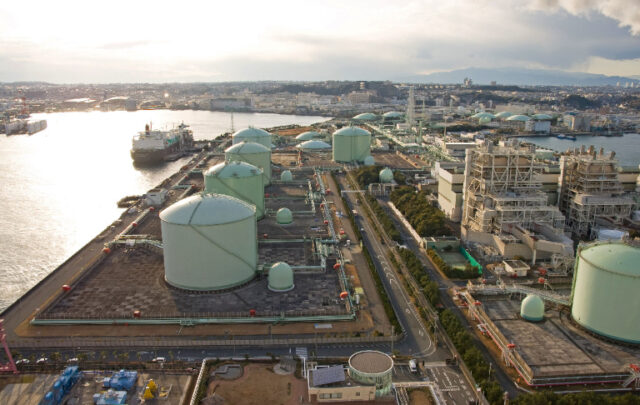
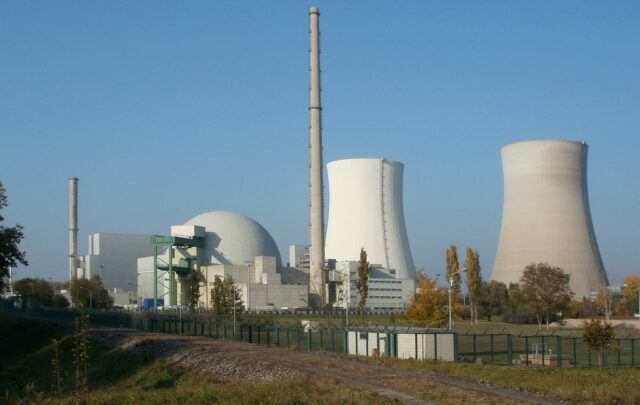
The Federal Government should fund a national study of potential sites for locating the major energy facilities this nation will need in the next 50 years, as a minimum. Initial evaluation should focus on potential sites on Federal lands. Based on history, one should anticipate difficulty in siting, constructing and operating major, new energy facilities – whether they are nuclear, hydrogen, liquid natural gas or otherwise – for they must compete for the land, water and other resources required.
In summary:
The scientific community has reasonably well defined both the issues relative to a more secure energy future and the various potential alternatives to achieve that objective. Our political leadership, however, has not yet displayed either the will or the ability to formulate the kind of comprehensive path forward that the situation requires. Congress needs to re-look at its traditional way of formulating and providing oversight of energy -related legislation. We, as a nation, owe it to future generations to act today in ways that promise reasonably comfortable lifestyles for generations yet to come through enlightened energy policies.
Joseph DiNunno
May 14, 2006



Comments
We changed commenting systems on September 10, 2026 as part of a site-wide functionality and security upgrade. Your past comments have not disappeared, and you can still log in with your old Disqus account credentials if you wish. Contact us with any questions.