This posts pulls together a couple of recent videos featuring Kevin Anderson. First up is an interview by Manchester Climate Monthly following the December 2013 Radical Emissions Reduction Conference in the UK. Kevin answers questions on the purpose of the conference, on scientists being "political", and on civil disobedience and shale gas.
Manchester Climate Monthly also pulled out these 2 clips – Kevin Anderson on scientists who get political, Kevin Anderson on shale gas and disobedience.
Below is Kevin’s presentation from the conference.
Kevin Anderson – The emissions case for a radical plan from tyndallcentre on Vimeo.
Kevin Anderson is professor of energy and climate change in the School of Mechanical, Aeronautical and Civil Engineering at the University of Manchester. He was previously director of the Tyndall Centre, the UK’s leading academic climate change research organisation, during which time he held a joint post with the University of East Anglia. Kevin now leads Tyndall Manchester’s energy and climate change research programme and is deputy director of the Tyndall Centre. He is research active with recent publications in Royal Society journals, Nature and Energy Policy, and engages widely across all tiers of government.
More
Tags: climate change, Emissions, Energy Policy, Politics, science
Related Articles
By Erik Assadourian, Gaianism
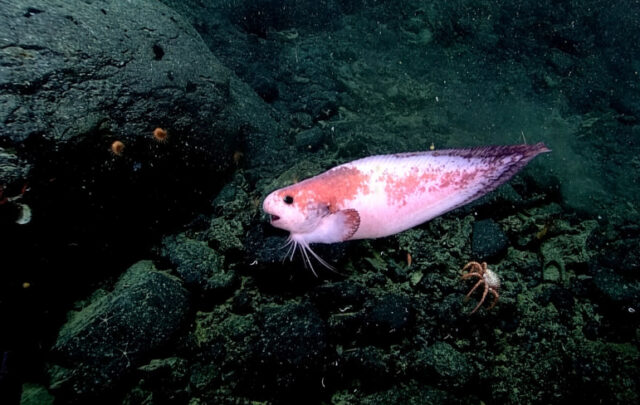
So, it’s time we Make America Go Away from the Deep Ocean. Yes, the MAGADO movement.
October 8, 2026
By Tom Murphy, Do the Math
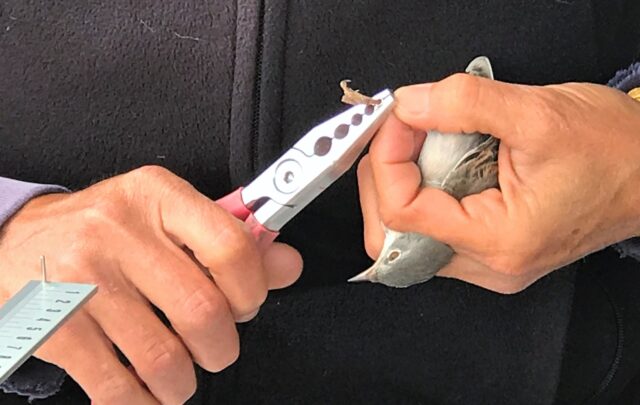
Much of science is in the service of modernity, producing remarkable short-term advantages for humans generally at the expense of the rest of the community of life.
October 5, 2026
By Frank Kaminski, Mud City Press
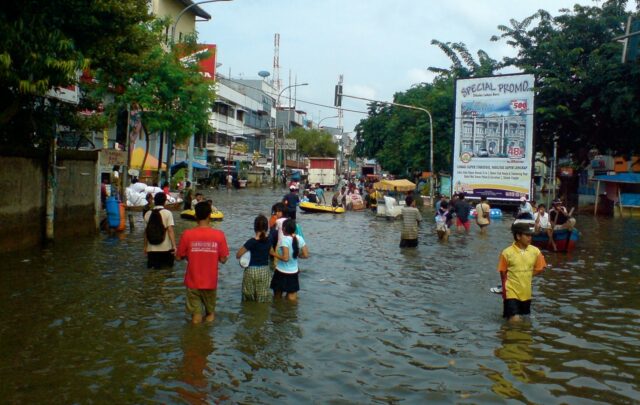
Water, that vital element, is an invasive presence in the documentary Displaced on the Island of Java: A Village Sinking into the Sea.
October 1, 2026





Comments
We changed commenting systems on September 10, 2026 as part of a site-wide functionality and security upgrade. Your past comments have not disappeared, and you can still log in with your old Disqus account credentials if you wish. Contact us with any questions.