A new report released Wednesday says that the full impact of climate change and extreme weather events on global food prices is being underestimated and warns that without a more acute understanding of how global warming threatens agricultural systems and economies, governments will be unable to prepare for future disasters.
 Climate change will drive up prices of wheat, maize and many other foods traded internationally, Oxfam warns. (Photograph: Simon Maina/AFP/Getty Images) Extreme Weather, Extreme Prices, the report from Oxfam International, takes an innovative and focused look at how extreme weather events—such as widespread droughts and large floods—could drive up future food prices. Previous research on the economic impact of climate change on food systems has tended to consider more gradual impacts, such as incremental temperature increases and changing rainfall patterns.
“As emissions continue to soar, extreme weather in the US and elsewhere provides a glimpse of our future food system in a warming world. Our planet is heading for average global warming of 2.5–5°C this century. It is time to face up to what this means for hunger and malnutrition for millions of people on our planet,” said Oxfam’s Climate Change Policy Adviser Tim Gore.
Oxfam released its report amid their ongoing GROW campaign, designed to highlight the injustice of the global food system and offer solutions to create one that is more equitable, efficient, sustainable and humane.
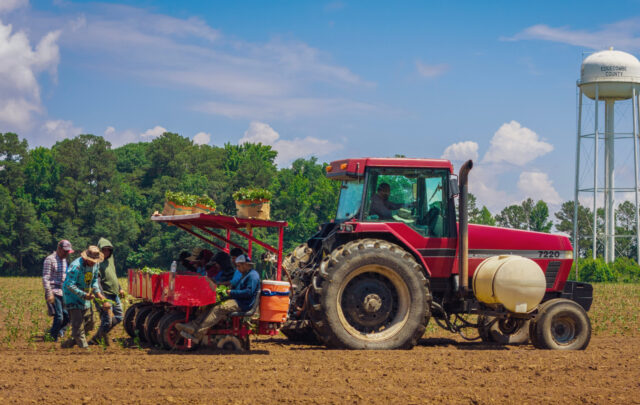
Looking at a host of possible scenarios for the year 2030, the research warns that by that date the world could be even more vulnerable to the kind of drought happening today in the US, with dependence on US exports of wheat and maize predicted to rise and climate change increasing the likelihood of extreme droughts in North America.
This year, the US and India are facing nationwide droughts and major crop loss. Oxfam predicts that these trends will continue elsewhere and that the impact of such events will worsen as food price “shocks” devastate the world’s poorest people.
The research also finds:
- Even under a conservative scenario, another US drought in 2030 could raise the price of maize by as much as 140 per cent over and above the average price of food in 2030, which is already likely to be double today’s prices.
- Drought and flooding in southern Africa could increase the consumer price of maize and other coarse grains by as much as 120 per cent. Price spikes of this magnitude today would mean the cost of a 25kg bag of corn meal – a staple which feeds poor families across Africa for about two weeks – would rocket from around $18 to $40.
- A nationwide drought in India and extensive flooding across South East Asia could see the world market price of rice increase by 25 per cent. This could see domestic spikes of up to 43 per cent on top of longer term price rises in rice importing countries of such as Nigeria, Africa’s most populous country.
“Rising temperatures and changing rainfall patterns hold back crop production and cause steady price rises,” Gore said. “But extreme weather events – like the current US drought – can wipe out entire harvests and trigger dramatic food price spikes.”
“We will all feel the impact as prices spike but the poorest people will be hit hardest.
“The huge potential impact of extreme weather events on future food prices is missing from today’s climate change debate. The world needs to wake up to the drastic consequences facing our food system of climate inaction.”
As the Guardian reports, Oxfam’s warning “comes as UN talks aimed at tackling climate change are due to close in Bangkok on Wednesday with little sign of progress, while tomorrow the Food and Agriculture Organisation is due to publish further information on how the worst US drought in 60 years is impacting on global food prices.”