

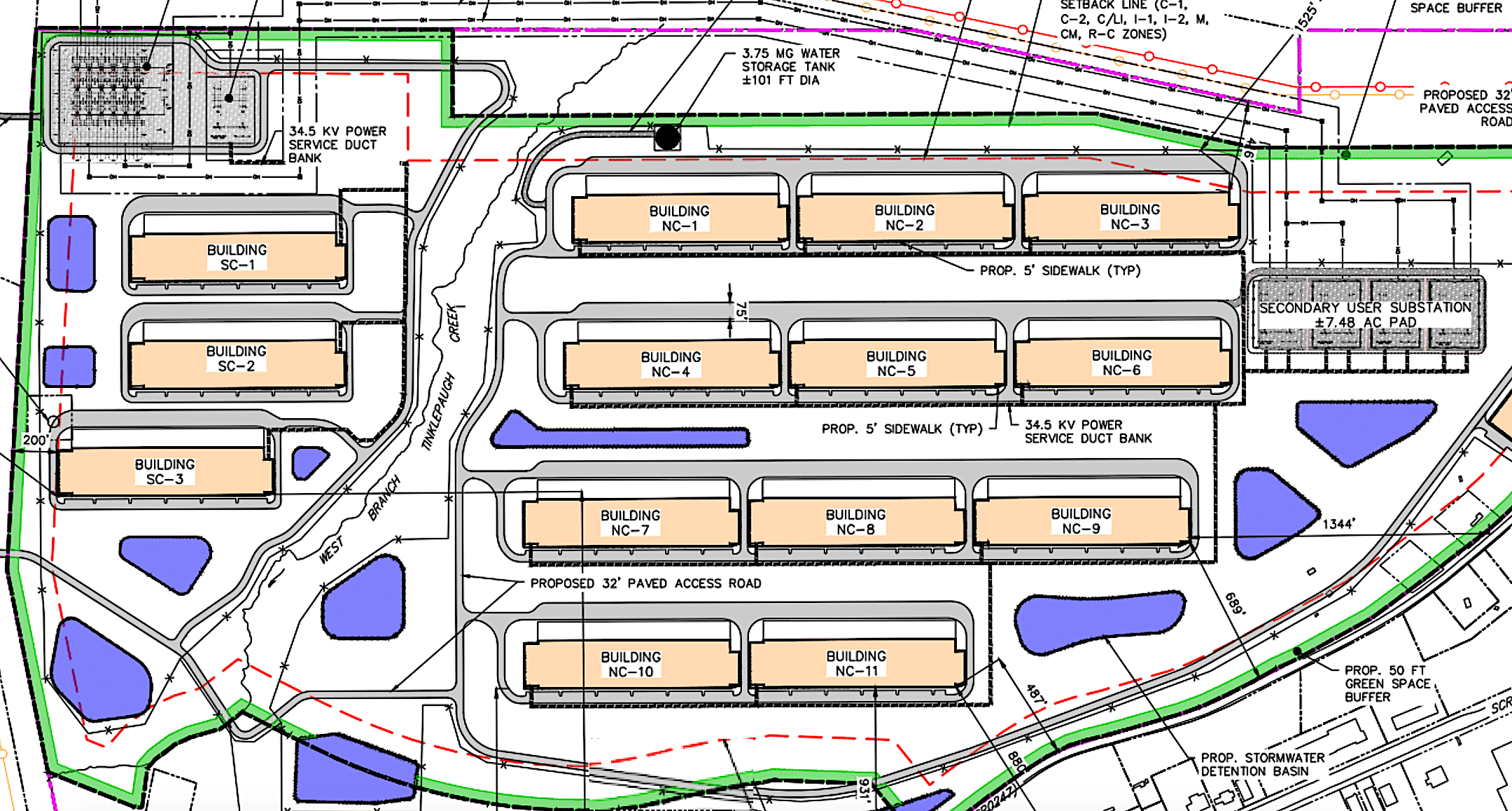
As the artificial intelligence (AI) boom explodes with a race for ever more powerful models, so does the need for its infrastructure. This takes the form of huge, windowless buildings housing thousands of data servers. Projects may involve numerous buildings—sometimes a dozen or more—with added infrastructure such as hundreds of backup generators. These amalgamations are termed data centers or, in some cases as an indication of their enormity, “hyperscale data centers.”
Over 4,000 data centers have been built or are under construction in the United States, with corporations seeking approval for thousands more. Nearly half the world’s data centers are in the United States, with an annual electricity consumption of over 180 Terawatt-hours. This is estimated to reach 426 Terawatt-hours by 2030. That’s 1.7 times the electricity used by the entire state of Florida in 2023.
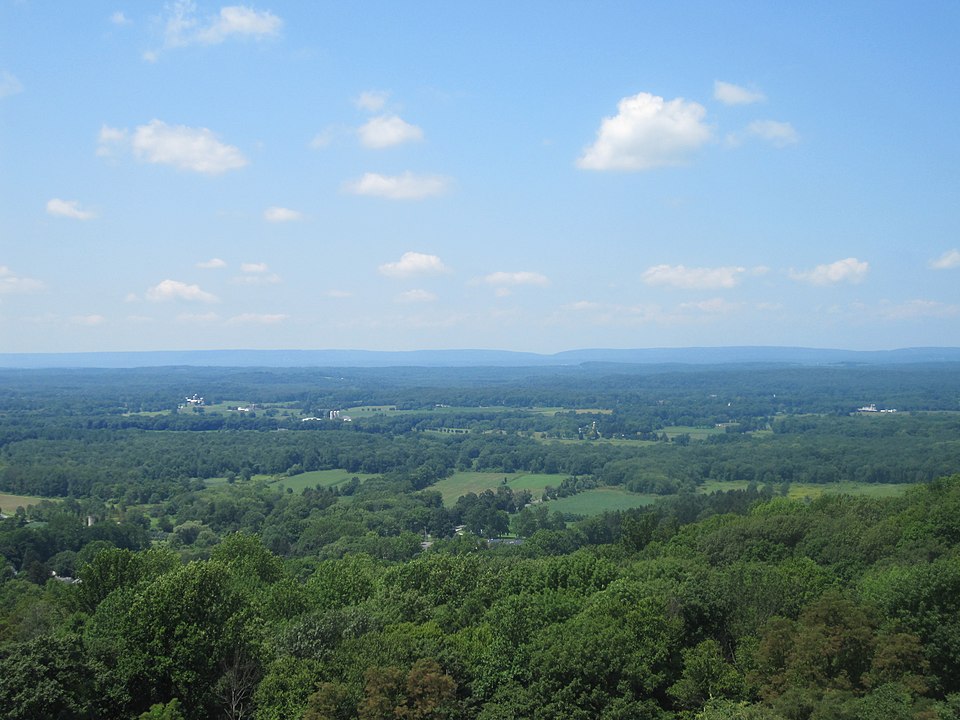
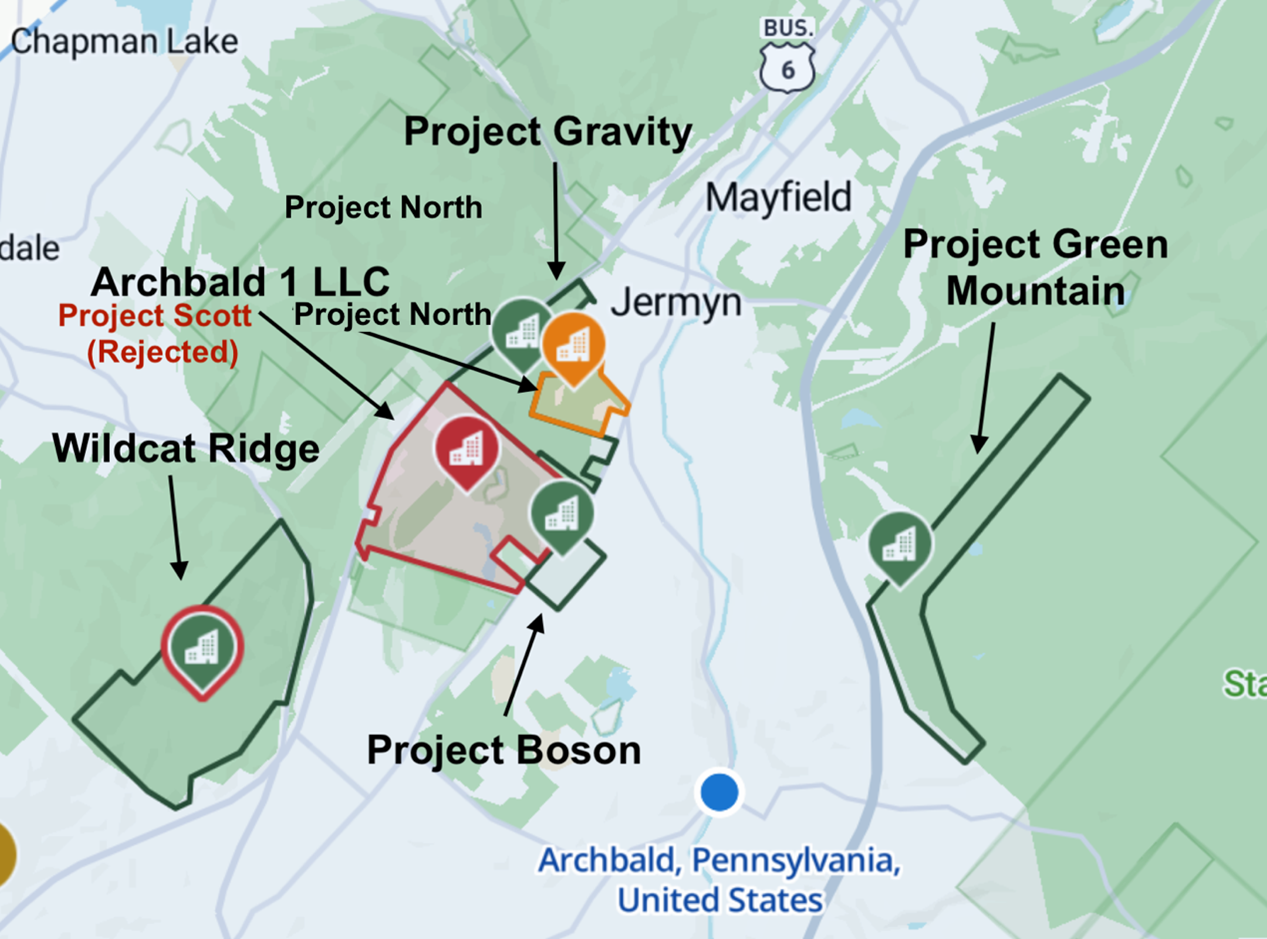
To meet the rapidly growing demands of AI, data centers are materializing across the country. However, corporations are targeting some locales for multiple facilities because of their resources and vulnerability to economic incentives. For example, Lackawanna County, Pennsylvania, was facing proposals for 13 data centers (90 buildings in total).
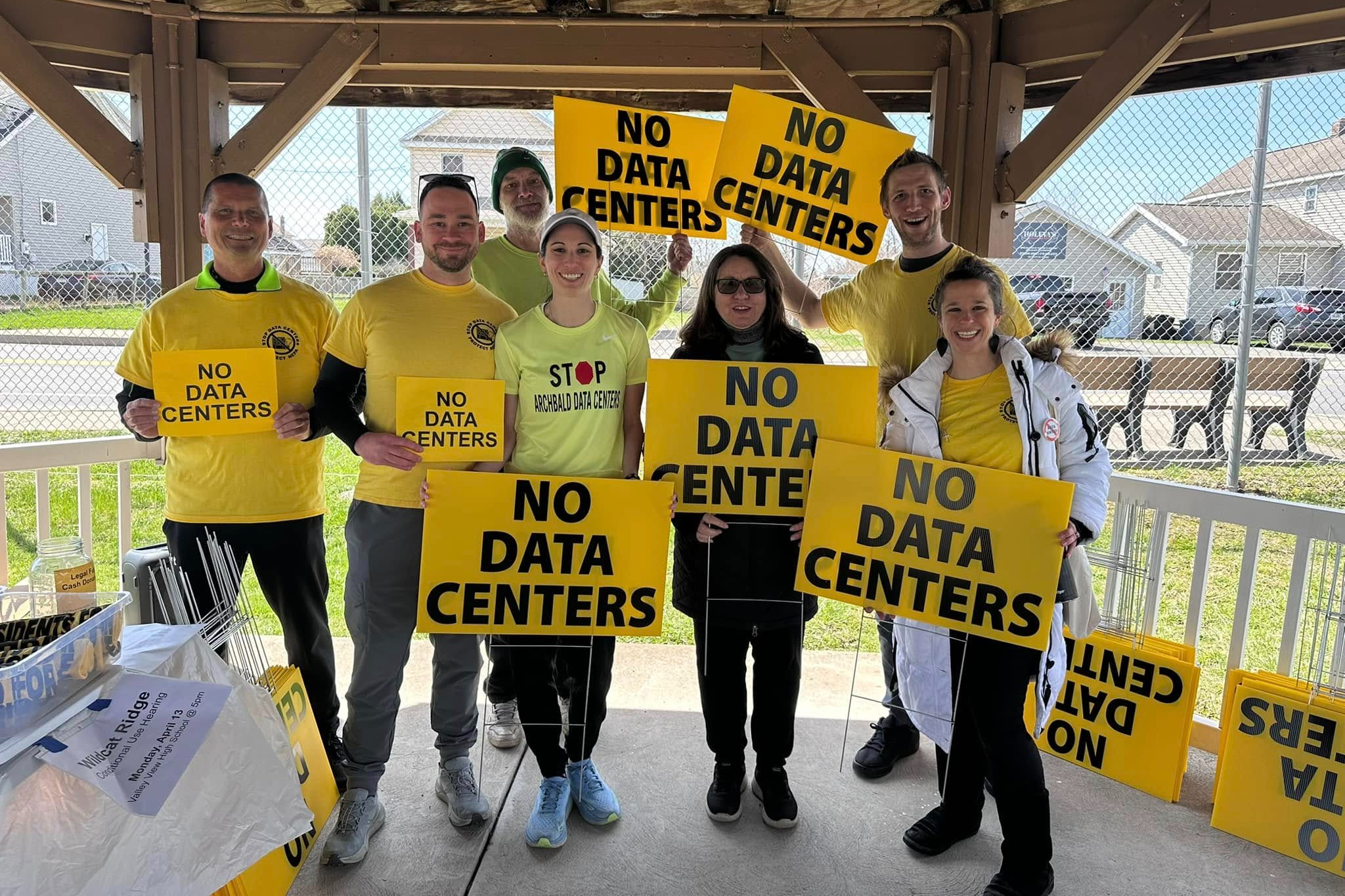
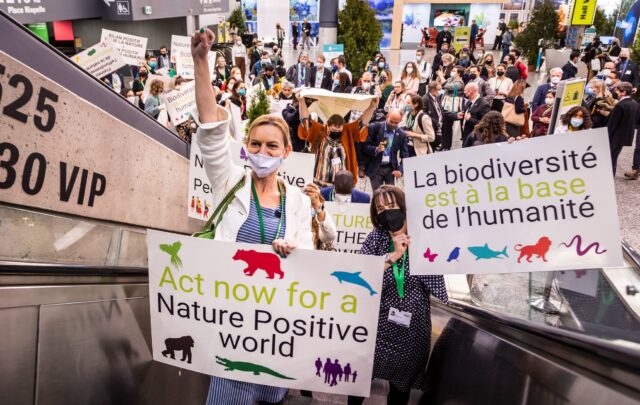
But in many of these targeted locales, residents are resisting. Data center proposals have triggered a high-stakes resistance in Lackawanna County’s Borough of Archbald, a tight-knit community of 7,500 people. With five data centers proposed for Archbald alone, the borough has engaged in one of the most intense battles against data centers in the United States.
Archbald’s battle epitomizes what is occurring in hundreds of communities nationwide. Whether the scale and impact of the proposed data centers are in the best interests of residents is hotly contested. Residents have questioned the motives of town leaders. The local movement to prevent the digital juggernaut from damaging Archbald’s community is building.
The AI-driven tsunami
As a “foundational infrastructure” for cloud computing and AI use and development, data centers will attract nearly $7 trillion in investment by 2030. This massive enterprise is in part due to the colossal computational needs of developing powerful LLMs (large language models) like ChatGPT, Gemini, and Claude. Data center developers often seek out communities with massive power capacity, as these facilities require as much electricity as small cities. The Lackawanna River Valley, where Archbald resides, has access to electricity via the 500-kilovolt Susquehanna-Roseland Transmission Line.
Furthermore, relieving the heat from thousands of computer servers requires vast amounts of water for evaporative cooling. Just one of the five data center campuses proposed for Archbald may need up to 3.3 million gallons per day from Lake Scranton for this purpose. Around eighty percent of the water withdrawn for data centers evaporates. The remainder becomes wastewater that local governments must treat in their sewer systems.
Developers and their tech clients are also keen to locate in rural communities that have open, undeveloped areas, lax zoning regulations, and compliant city or county government. Revenue-starved communities are particularly easy targets. Lackawanna County is vulnerable due to the demise of the coal industry and decline of manufacturing in cities like Scranton. While data centers offer minimal lasting employment, they are tempting for local property tax revenue. One data center in Archbald could add over $4 million in annual revenue, dramatically increasing the borough’s operating budget.
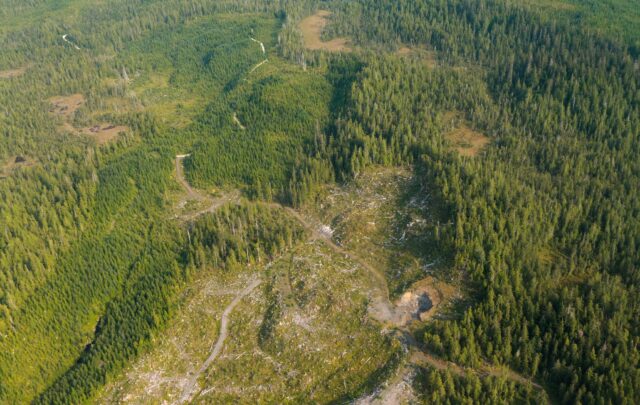
For many residents, the increased tax revenue amounts to a Faustian bargain. They worry about the round-the-clock droning sound for which data centers have become infamous. Nationwide, people living near data centers have reported sleep disturbances, stress, headaches, and nausea. Additionally, Archbald residents are outraged by the clear-cutting of forests and loss of farmland already underway to accommodate the data centers’ massive footprints. What’s more, they do not want faceless industrial facilities imposing on their culturally rich, historic town.
Archbald residents are also aware that other communities have been starved of water or had their electricity forfeited to the voracious appetite of these complexes. Utility rates have skyrocketed in Pennsylvania, increasing as much as 20% in a single year.
All of these anticipated impacts would come on top of a history of chemical contamination from polluting industries. Aline Browning, leader of the Lackawanna Citizens’ Overwatch Project, shares that “[Lackawanna’s]…community is riddled with cancer; our rates are significantly higher than both state and national averages. We have spent decades as a dumping ground for industrial negligence.”
Residents share a sense of betrayal by their elected leaders, who enabled not one, but multiple developers to exploit their community yet again, for an increase in the borough’s coffers.
Paving the way
Archbald adopted initial zoning to permit data centers in 2023, consistent with a statewide economic development trend. The intention was to attract high-tech development by allowing “internet server buildings.” But the initial zoning did not satisfy the desires of hyperscale-facility developers interested in the area’s water and energy resources.
The borough council, planners, manager, and five developers (Western Hospitality Partners, PDC Realty, Cornell Realty Management, Green Mountain 6 LLC, and Provident Realty Advisors) had a series of meetings to negotiate “conditional use” plans to allow land use code exemptions.
Of the nearly 90 data center buildings proposed for construction in Lackawanna County, 50–60 are planned for Archbald. Developers’ intend to build five data center “campuses” occupying 14 percent of the borough’s area. Key projects are the massive 1,600-megawatt Wildcat Ridge and the 1.62-million-square-foot Project Gravity.
Constituent rebellion
On November 24, 2025, the borough council voted 5–2 to pass a zoning amendment creating a “Data Center Overlay District.” As described by Archbald Borough Manager Dan Markey, data centers will be vital revenue producers for the borough. According to Markey, just one data center could provide more than 60 percent of Archbald’s annual budget. By this measure, and all else equal, the five proposed data centers would pay property taxes equal to 300 percent of the borough’s budget.
The overflow crowd at the November meeting erupted with shock and anger. Many accused members of the council of predetermining their rightful decision and disregarding the considerable public opposition.
Since then, with pressure mounting to deny developer applications, three councilmembers have resigned, including the council president, Dave Moran. On March 27, 2026, the borough council voted 5-0 against the conditional use application for Archbald I LLC’s Project Scott. On this reversal of fortune, the hundreds of residents attending the hearing stood and cheered.
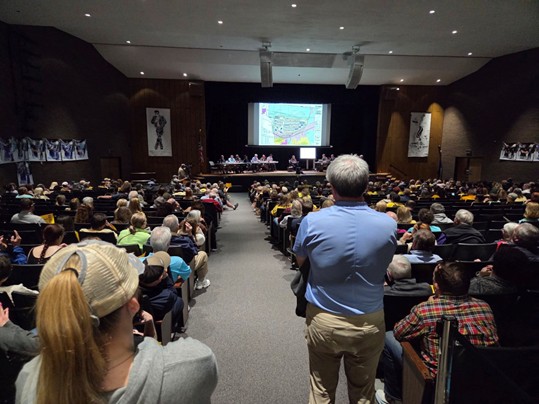
On April 15, the Archbald Borough Council appointed three new members to fill its vacancies. The newly elected members are fully aligned with residents in opposing data centers.
Meanwhile, legal battles have ensued. Archbald I LLC filed a land-use appeal in Lackawanna County Court against the council on April 24. Pennsylvania’s land-use framework frequently frustrates local governments. The Pennsylvania Municipalities Planning Code heavily restricts municipal authority. For instance, the law allows developers to exploit the “curative amendment” process to force zoning changes in their interests.
Archbald officials have been advised by their lawyers not to speak to the press, and more lawsuits are likely in store from developers. But, of the thirteen data centers proposed in Lackawanna County, eight have been rejected or withdrawn. The five remaining are up to the decisions made in Archbald by the recently reconfigured council.
Better representation
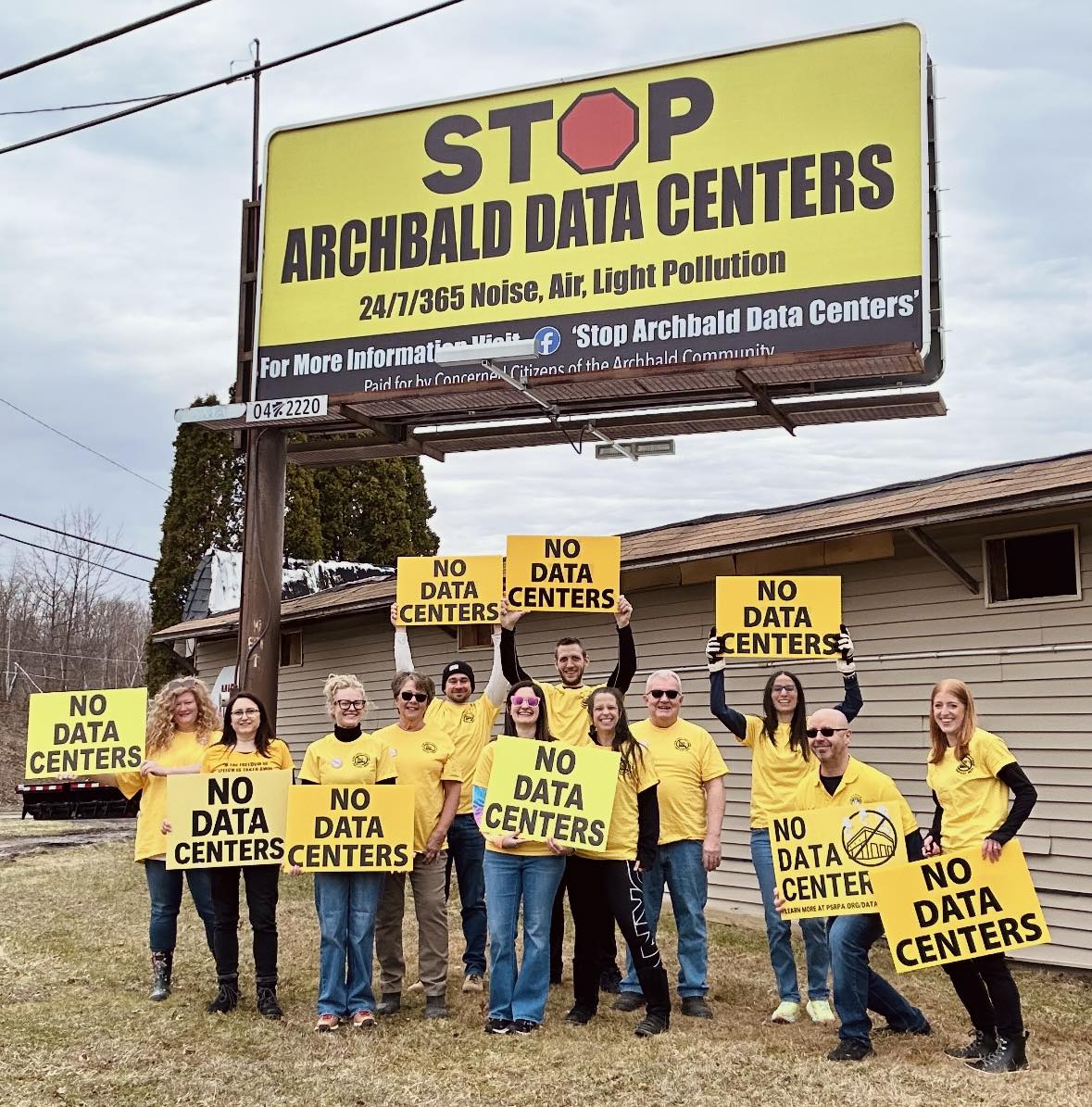
Some of Archbald’s community leaders are speaking out against data centers. Lackawanna County Commissioner Bill Gaughan is one such leader. During a recent session, he commented on the recent attempts by developers to alter code and secure approval at the residents’ expense:
“So, let’s eviscerate all of the hundreds and thousands of acres of land in Lackawanna County, so we can use Google, so we can help this guy make a billion dollars. But let’s not pump the brakes…When are we gonna stop letting developers and speculators come in here and say, ‘Don’t worry about it. We’ll throw you a couple million dollars, by the way, which everybody could use.’ But they flashed this big shiny object at us. We’ll buy you a fire truck. Maybe we’ll buy you a police truck. We’ll fit up your police and fire departments with something, and let us just destroy the land and the water and the air. That’s not right.”
Archbald’s concerns about data centers are shared by localities across the country. And as citizens organize, more and more data centers are being blocked at the local level. Data Center Watch found that over $64 billion in projects across the country have been blocked or delayed in less than a year. Concern about data centers has evolved from local zoning disputes into a unified, bipartisan national movement. The common themes of water and energy use, noise, back-up generator pollution, and the despoiling of countryside are creating massive political backlash.
Eleven states have bills before their legislatures to enact data center moratoriums, although none have been adopted yet. In Pennsylvania, State Senator Katie Muth has proposed a three-year pause on hyperscale data center developments. This would allow time for assessments of impacts on local and regional infrastructure. Activists are urging Pennsylvanians to write in Muth as a protest vote against Governor Josh Shapiro, who has come out strongly in support of data centers.
Citizen groups like Lackawanna Citizens Overwatch Project and Pennsylvania Data Center Resistance are stepping up to support leaders, such as Gaughan and Muth. The group Stop Archbald Data Centers, with 12,000 Facebook members, is fielding candidates and keeping members updated on local meetings.
Growth-driven catastrophe?
The costs of data centers include massive local impacts on water, energy, and quality of life. Aside from tax revenues, what benefits will data centers bring society? Data centers power AI, and AI proponents offer a panoply of social and personal goods that are utopian in description. Drudgery of work eliminated, cancer cured, and longevity increased, perhaps infinitely. Meanwhile, GDP soars, and all wants are satisfied.
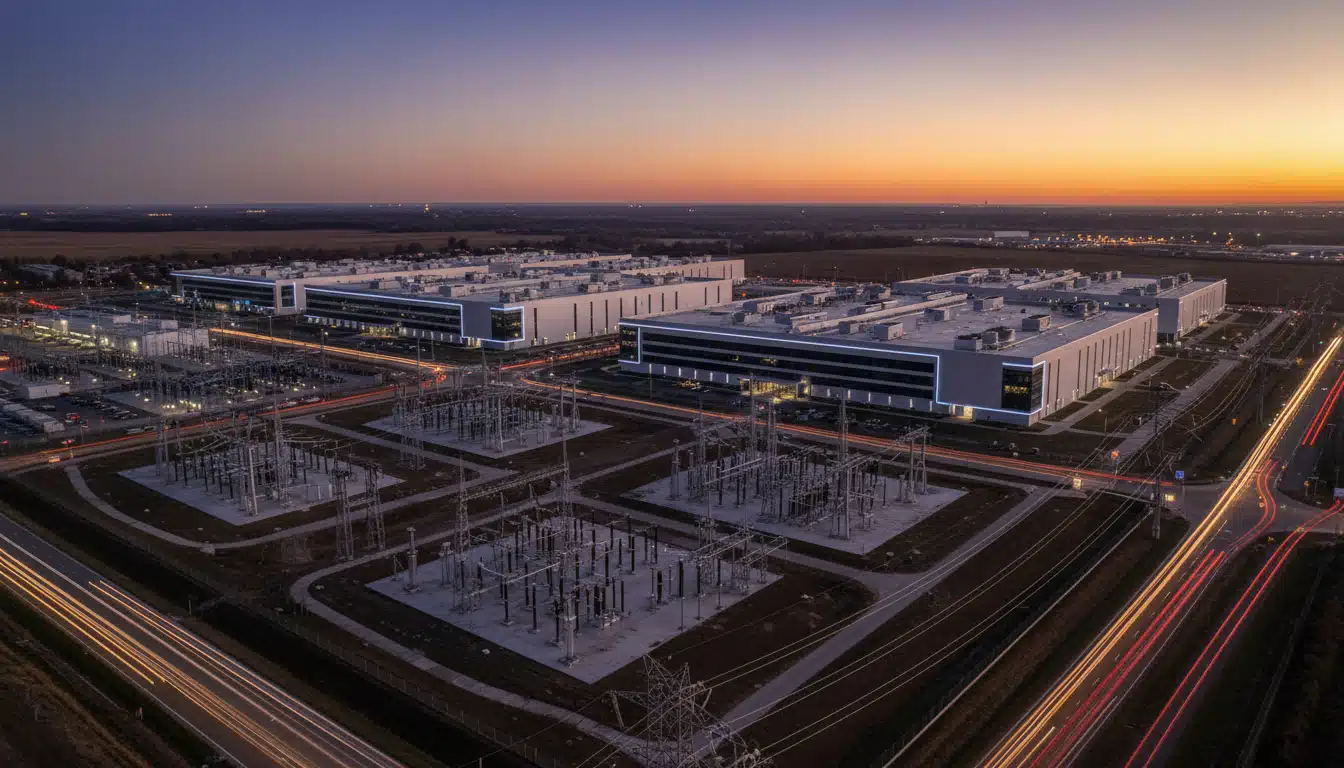
Artificial general intelligence (AGI) refers to AI that meets or surpasses all human cognitive skills. AGI has not been achieved, but it is the stated goal of frontier AI firms. Wedded with robotics, such technology may render workers, even highly skilled ones, superfluous. Data centers are the crux of this enterprise, as the computing power and memory needed to develop and run this architecture are gargantuan. Right now, computing costs exceed the cost of human workers, but with recent breakthroughs, they will likely fall dramatically.
Many activists opposing data centers are aware of the job-destruction threat that AGI poses and are communicating this threat to the public. This is beginning to elicit a political response. Notables across the political spectrum, from Bernie Sanders to Josh Hawley, are sounding the alarm.
And many highly respected AI-safety experts are going further. They’re warning that AI won’t just replace jobs, but humanity as a whole. Religious leaders have expressed similar concerns. Pope Leo XIV stated, “Artificial intelligence needs to be disarmed. The word is strong, I know, but deliberately chosen, because this moment needs words that are capable of attracting attention, awakening consciences, and indicating paths forward for humanity.”
The message seems to be getting across to the public. Gallup found that over 70 percent of Americans are opposed to data centers in their local area, with nearly half saying they are strongly opposed. Young college grads are booing speakers touting AI at college commencements. 2026 may well be the year when public sentiment turns en masse against not just data centers, but the growth-driven mania that seeks to replace people with automata. The battle against these resource- and humanity-consuming technologies is integral to Keeping Our Counties Great, while we still can.



Comments
We changed commenting systems on September 10, 2026 as part of a site-wide functionality and security upgrade. Your past comments have not disappeared, and you can still log in with your old Disqus account credentials if you wish. Contact us with any questions.
and this doesn't even mention that the power use of these data centers will send climate change quickly into overdrive. Or that a key reason for them is to collate all the data collected on all of us so Big Brother can identify and eliminate its potential enemies. Or the assault on democracy when these outfits get away with private meetings with local officials and sign NDAs; or as here in WV, the legislature passed a bill taking all say away from local officials AND the people, along with 70% of the property taxes. Nor did it point out that the claims about solving cancer and death are based on magic wands and fairy dust.
And while I'm encouraged that opposition is rising so rapidly, I hesitate to celebrate many proposals being shot down–because I suspect that the scheme, as with any undesirable plant, is to propose three times as many as you actually need, let communities fight them off, and whichever community fails to do so effectively gets saddled with the polluter.
Dave, I'm delighted to see you here – but not surprised. I'm in one of those data center battles right now, and at the last City Council meeting I finally discussed the threat of AI rather than just the pollution and other problems – and I got more positive responses than any time before. (Shodo Spring, formerly of Bton)