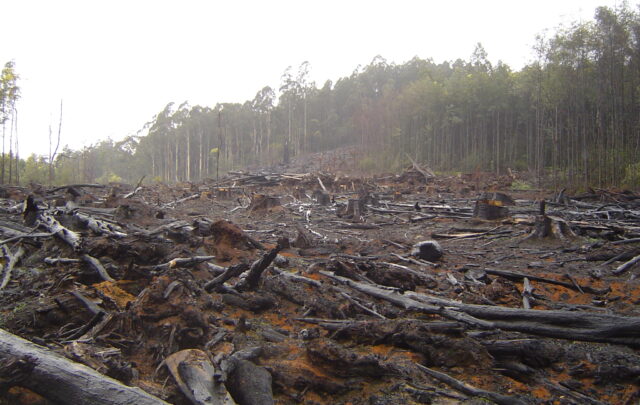
Rural Watch Africa Initiative’s mission extends far beyond the traditional scope of tree planting and ecosystem restoration; the organization serves as a catalyst for transformation by equipping rural communities with sustainable, alternative livelihoods. We have adopted this inclusive approach to forest and farmland restoration because we recognize a fundamental truth: poverty is a primary driver of environmental degradation. This is particularly evident in Nigeria, where the National Bureau of Statistics reports that over 40% of the population lives below the poverty line, often leaving those in rural corridors with no choice but to engage in “survivalist” extraction.
When rural populations lack supportive income sources, they are frequently forced into an over-reliance on forest resources, leading to habitat depletion and a cycle of deepening poverty. We founded RUWAI as a purpose-built vehicle to break this cycle by providing diversified pathways for peasant farmers, youth, and women. By providing expert training in specialized skills, ranging from apiculture (beekeeping) to artisanal crafts like renewable energy technology, knitting, and footwear production, and supplying the necessary starter kits, we are bridging the gap between conservation and commerce. Furthermore, our establishment of community food processing units enhances value addition, ensuring that farmers retain more profit from their harvest rather than losing significant portions to post-harvest waste, which currently claims nearly 20% to 50% of food production in Nigeria. We believe that for climate action to take root, it must be economically viable for those who live off the land, socially inclusive of all voices, and environmentally sustainable for future generations.
When we empower communities to thrive independently of forest exploitation, we mitigate environmental pressure and secure the foundation for long-term conservation success. This holistic integration of social welfare and environmental stewardship is what distinguishes RUWAI from organizations that focus solely on the biological aspects of reforestation.
Establishing the Climate Resilience Centers
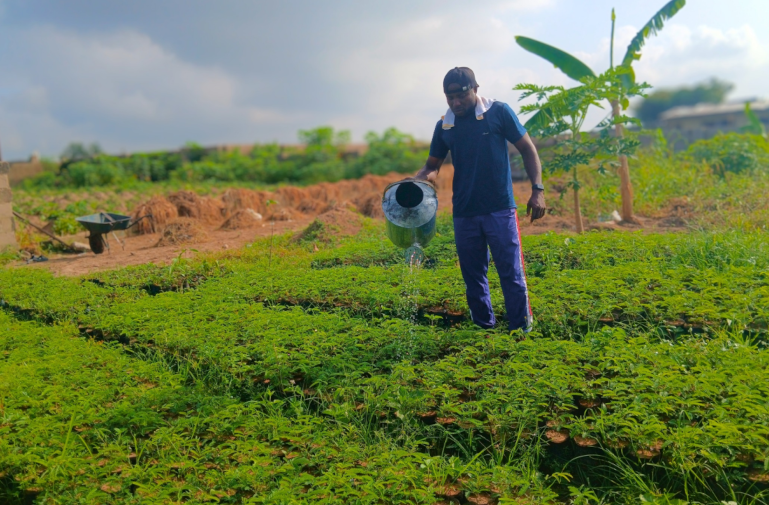
As a core component of our sustainability and scale-up policy, RUWAI is establishing Climate Resilience hubs across Africa. This innovative, inclusive, and sustainability-driven initiative serves as a centralized spot to equip rural women, youth, children, and people living with disabilities with the essential tools, education, skills and resources required to transcend poverty and forge a resilient, brighter future. In 2025, we inaugurated our first two centers in the Federal Capital Territory and Imo State. While securing land for these centers is a vital first step, the transition to full operational capacity requires significant infrastructure. Thanks to the strategic support from the UNCCD and the Foundation for Sustainability and Innovation, which led to the successful establishment of the tree nursery, an agroforestry and modern bee demonstration site.
These efforts facilitated the planting of an additional 10,000 native and economically valuable trees in August 2025, bolstering our ongoing ecosystem restoration project in the Kwali district. The center is now actively seeking collaborations and partnerships to fully develop this facility, which stands as a model for regenerative rural development that harmonizes human prosperity with the restoration of the African landscape.
For more information on partnerships and more, please visit the RUWAI website.