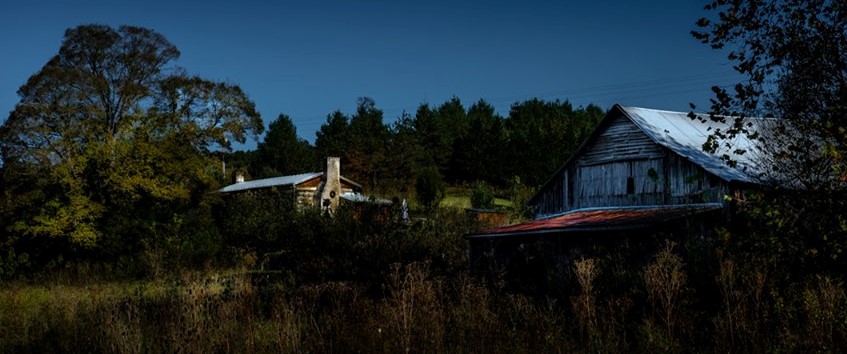
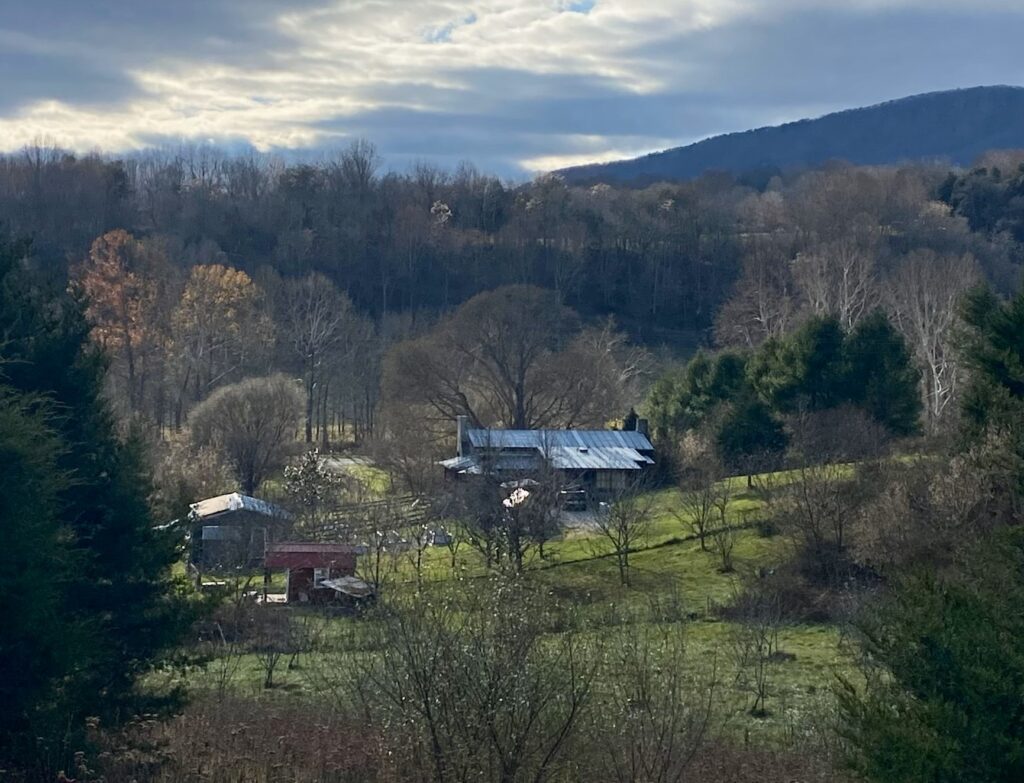
I have been a small farmer and homesteader in the Shenandoah Valley of Virginia for over 40 years. In that time, I’ve witnessed the collapse of rural businesses and the migration of young people to towns and cities. In my rural area we must now drive 20 miles for a carton of milk, or a pair of socks, or a gallon of gasoline. The local shops and businesses that served farmers and rural communities have vanished.
Remote rural areas have become retirement destinations and bedroom communities for employers in the few nearby towns that have managed to survive. The big box stores and grocery stores that are supplied by the national and global supply chains financially undercut farms and modest sized businesses that once supported rural communities.
Fair Farm-Gate prices don’t exist any longer, because of the industrial farming system and the monopoly of national food wholesalers and distributors. This has eroded the hiring ability of small and midsized farms.
Opportunities for getting a living wage as a farm hand are no longer available in my rural neck of the woods. If a small or mid-size farmer is prohibited (or underpriced) from selling their farm produce to institutional buyers, like schools, senior citizen homes or grocery stores, they can’t earn enough to hire the help they need.
The historic financial backbone of rural communities has relied on farms and farmers. This has not fundamentally changed. Only 40 years ago, in many rural areas throughout the nation, farmers provided the incomes that supported a vibrant collection of small, local businesses – machine shops, auto repair shops, mom and pop grocery stores, etc. Without a vibrant farm economy, a remote rural community cannot survive.
The gutting of rural businesses and small farms leads to the migration of young people to the cities in search of employment. At the same time, our educational system advises our youth to seek non-farm careers. In fact, our educators discourage careers that include the use of your hands. I’ve witnessed this prejudice against manual labor for the last 50 years.
Because of the migration of our youth from the country to towns and cities, the rural population continues to age. The average age of farmers is now over 60 years. The rural churches and civic clubs see their memberships shrink and grow older. The rural schools are closing, and the children must be bused or driven to consolidated school systems in the towns and suburbs. The emergency services fade away for lack of funding or local personnel.
The social fabric of a rural area is not only dependent on farms, small businesses, and jobs, it also relies on opportunities for community gatherings. With the loss of schools, churches, civic clubs, and gathering places like the local firehouse for community events, the social fabric frays and a communities’ civic pride decays.
This all sounds pretty bad and an old-timer like me can get discouraged, but resurrecting a lost community is possible. The resurgence of a rural community starts in the nearby town and with local government. The county government and the resources of the townsfolk can directly contribute to creating demand for goods and services from the surrounding countryside.
To re-energize a local farm economy, the county government can provide grants and affordable loans devoted to supporting small farms and homestead businesses. It requires the townsfolk to devote a portion of their weekly food dollar to local growers. Local rural residents also have a responsibility to commit a portion of their food dollars to local providers. With a new demand for their farm produce, a turnaround in the farming community could happen relatively quickly, leading to the growth of modest local businesses that serve farmers and rural homesteaders.
I include homesteaders in the resurgence of a vital rural community, because there is a significant increase in the homestead movement across the nation. The desire to move back to the land has gained momentum. A traditional aspect of homesteading is the establishment of a household business that contributes to the local economy.
Offering mini-grants or low interest business loans to these new and mostly young homesteaders who are moving onto the land in search of a better life would be an important resource for the revitalization of our degraded rural communities. In addition, homesteaders and small farmers can be important sources for local food security.
Where does the effort to revitalize our local rural communities begin? It begins with neighbor talking to neighbor. It begins by including local town leaders and politicians. It begins with the commitment of civic organizations, churches, and well-off retirees who have moved to the country. It begins with local newspapers and radio stations raising awareness of the problem. And we also need the help of local educators to encourage our youth to build their lives and careers where they were born.
The state and national governments are not coming to the rescue of our rural communities. They are focused on the cities and suburbs where most of their voters reside. The task of revitalizing our rural communities’ rests with us. We have witnessed the hollowing out of the American countryside for long enough. There is a new energy among our younger citizens to seek a more meaningful life in the country. Now is the time to take advantage of their new-found passion to live and work in a rural community.