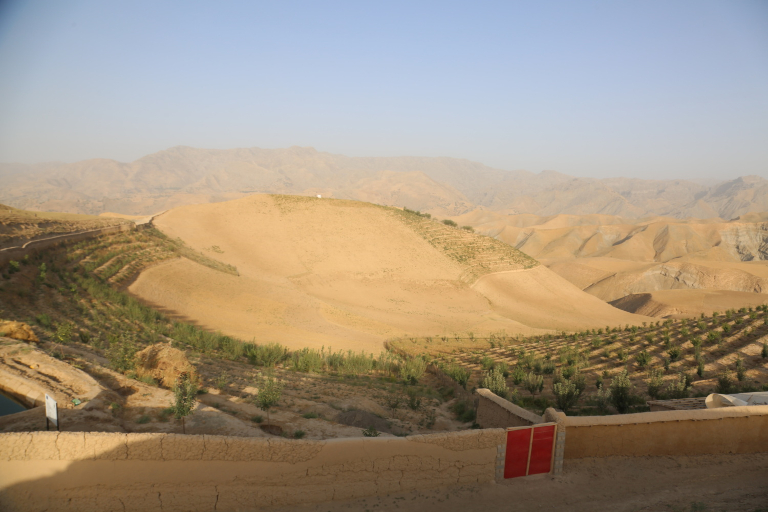
Afghanistan is one of the most difficult places to live in the world.
It is wracked by drought, intensifying heat waves and other increasingly severe environmental impacts as the planet changes.
The country also suffers some of the worst food scarcity and child malnutrition rates on Earth.
Yet, it is critical to the global poly-crisis, and is part of the “third pole,” the largest area of glaciers and permafrost outside of the poles and provides water to more than two billion people across Asia.
And this is why Home Planet Fund is working there.
Frontline Indigenous communities in this area have always had the knowledge to fortify, conserve, and restore their lands and waters against these climate-induced shocks.
Families are planting and managing micro-forests that create microclimates for food production and native species preservation, while sequestering carbon and increasing biodiversity.
Over time, these small forests and the climates they create will have outsized impact…not just in Afghanistan, but on the “third pole.”
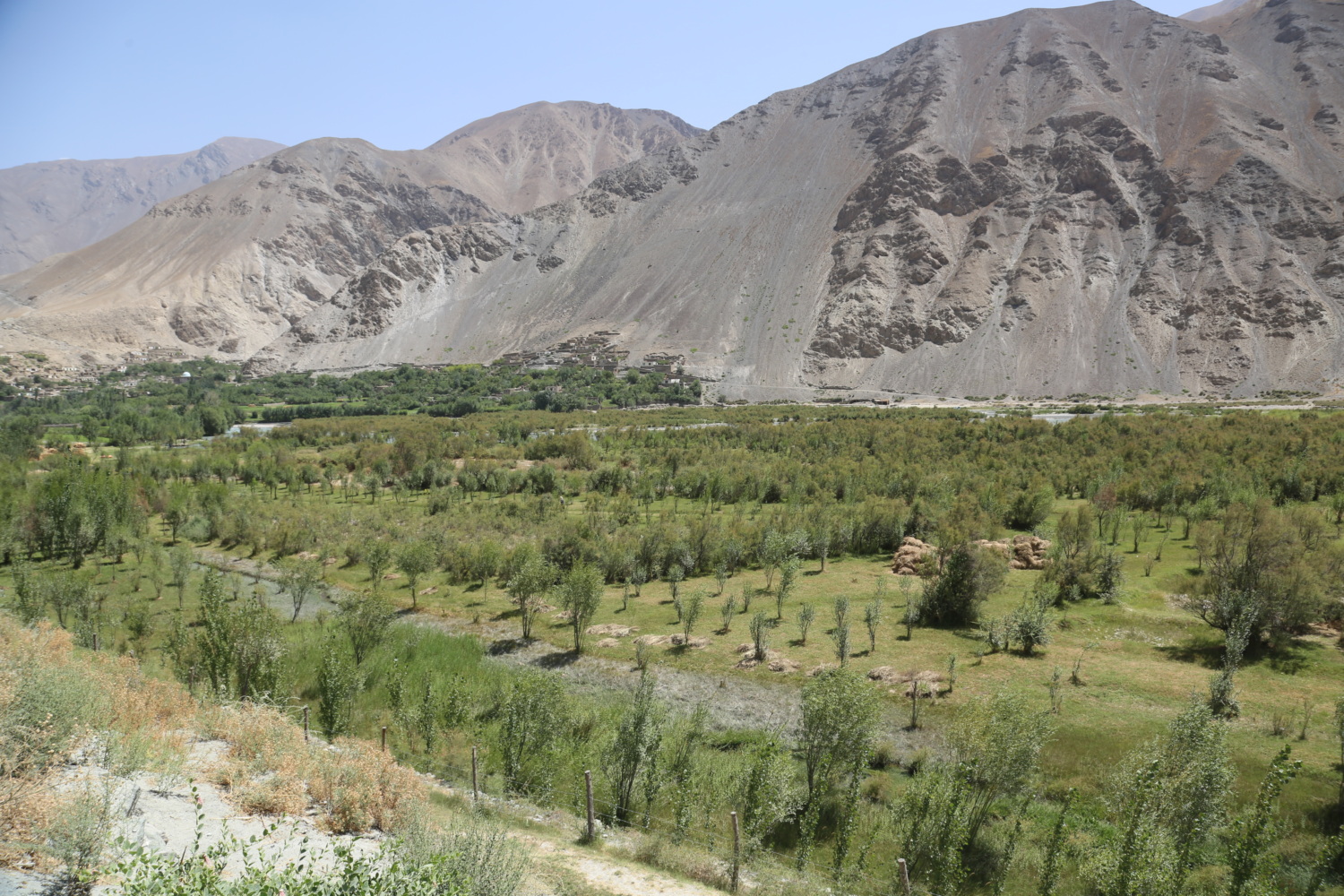
Restoring land in Badakhshan and Takha Provinces in Afghanistan. Photo Credit: AKF (Aga Khan Foundation)
In northeastern Afghanistan, the most remote, underdeveloped part of the country, lies Badakhshan Province. It is largely composed of temperate grasslands, savannas, shrublands, and open woodlands along the Pamir River. Pistachio, almond, walnut, apple, juniper, and sagebrush are common across the province.
Small, locally planted forests maximize tree density and biodiversity, restore the environment and sequester carbon. These are called micro-forests. No larger than a hectare, they each host at least 25 different species of trees.
More than 223 micro-forests led by and primarily benefiting resource poor households with small landholdings adjacent to their home, where families can easily work together, have already been established, with a goal of creating another 400 by 2030. Along with this, further community-based reforestation projects are set to address forest degradation.
The project focuses on restoring degraded landscapes and enhancing resilience through community-driven watershed management and localized solutions. By supporting the traditional views of people in the local communities as active participants and custodians of nature, the initiative aims to promote sustainable ecosystems, address water scarcity, and improve household incomes through sustainable natural resource use. Women here have always had an important role in agriculture and maintaining communal lands, including decisions about how to allocate harvests for family food stocks and selling to local markets.
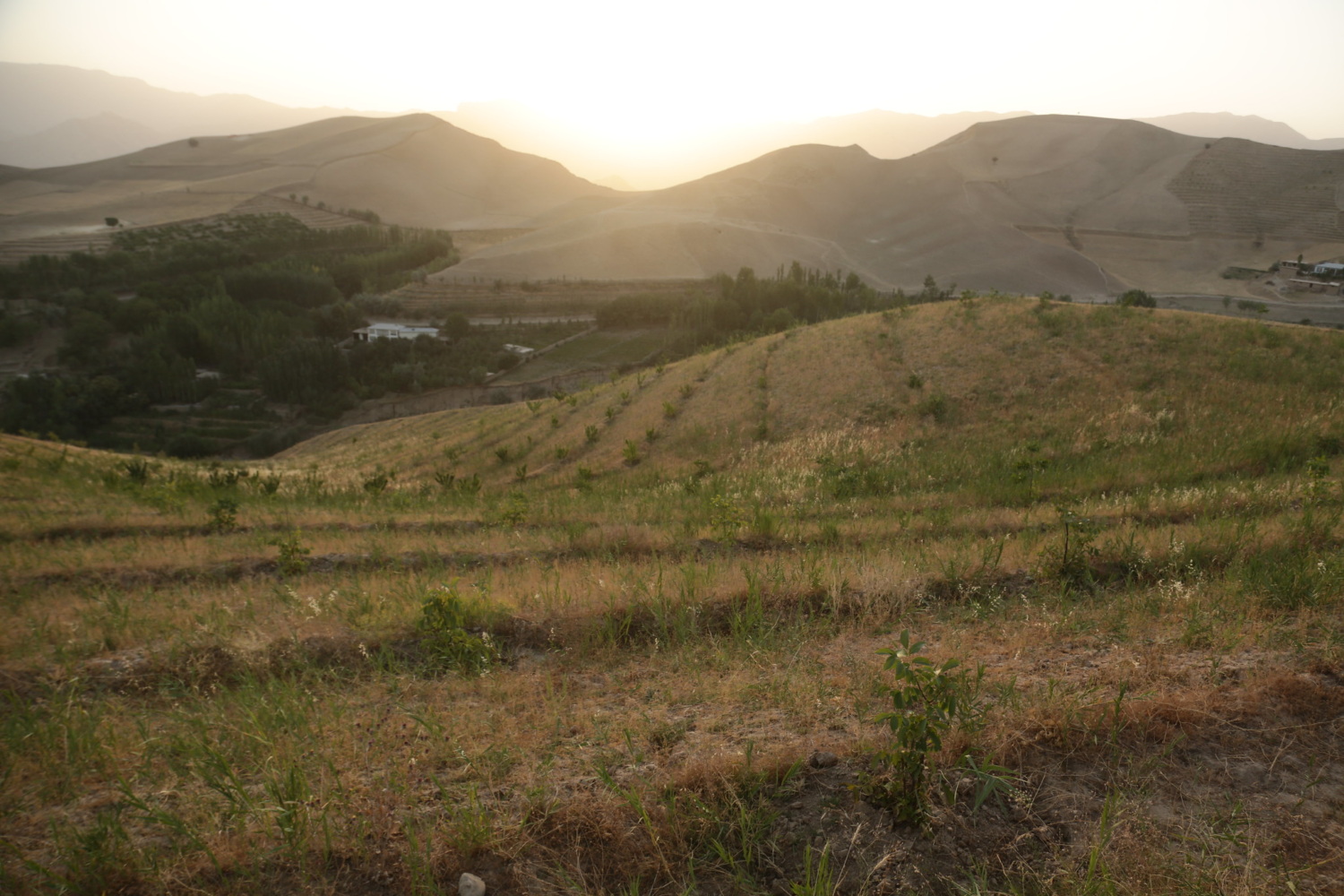
Restoring climate affected land in Badakhshan and Takhar. Photo Credit: AKF
Reforestation brings cooler temperatures and increased carbon sequestration…
which can begin to slow the melting of the snowpack and glaciers in the high mountains. In this way the work is protecting the “third pole,” the largest area of glaciers and permafrost outside the polar regions, of which Afghanistan is a border country, along with Home Planet Fund’s partners in Tajikistan which sits across the northern border.
Home Planet Fund recognizes the critical importance of doing everything possible to slow the melting of the glaciers and icefields within the third pole, given that more than two billion people rely on its water for drinking, agriculture, and their economies.
We are committed to doing whatever is necessary to serve those who are serving the planet, even in a place as challenging to live and work as Afghanistan.
This is because we are all in for the earth.
Read our full program page for Afghanistan here.
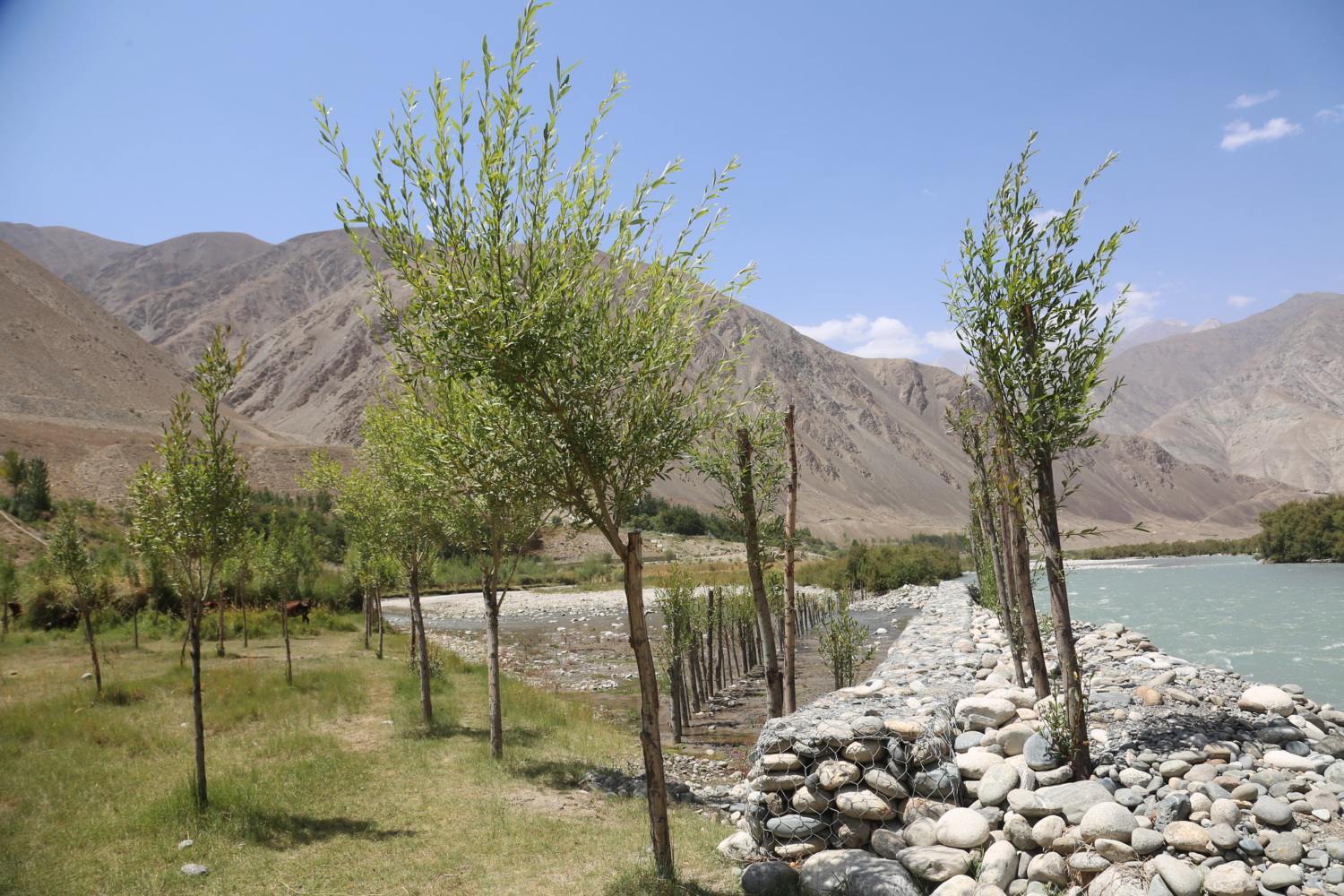
Restoring climate affected land in Badakhshan and Takhar. Photo Credit: AKF