

Recorded December 18 2023
Description
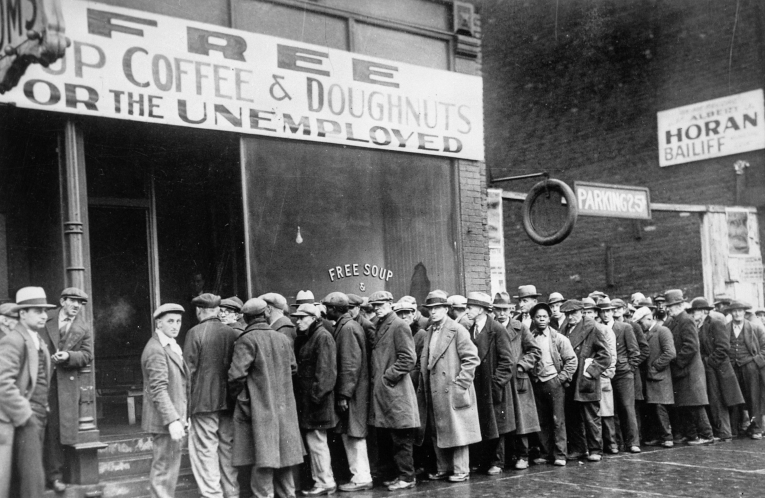
In this Frankly, Nate follows up the recent Reality Roundtable on poverty with a wider perspective on the different types of “wealth” in our society that go beyond the material. At the same time that the power dynamic of the economic superorganism leads us to a hyperfocus on the pursuit of growth and monetary wealth, other forms of poverty increase: relationships, skills, health, and behavioral deficits. How do our assumptions and societal expectations align with the reality of what it means to be rich? Can reflecting on our own place within the various “Haves” and “Have-Nots” help us be more compassionate towards others and direct us to a more stable and sane place in society? How will the turmoil and decrease in total material wealth in the coming decades change what it means to be wealthy – and how does that influence the actions and investments we take on today?
Show Notes
00:10 – Reality Roundtable #7: Poverty
01:04 – Mean income per capita in the U.S. vs Median income per capita in the U.S.
02:17 – Average increase in use of goods and services from 200 years ago globally and in the U.S.
03:38 – Material wealth enables isolation
05:14 – Long COVID
05:20 – Endocrine disruptors
05:24 – Metabolic health declines
05:50 – Percentage of people on mental health medications
06:20 – Declining attention spans
07:55 – Link between agency and mental health
08:20 – Discussing an issue reduces cortisol and boosts helper-T cells
08:58 – DJ White
09:28 – Abrahamic religions
09:38 – Meaning crisis
09:57 – Overton window
10:27 – Dark Triad, 10% of people and prevalence in high level positions
Image Attribution Credits
Lee Bob Black, CC BY-SA 2.0 <https://creativecommons.org/licenses/by-sa/2.0>, via Wikimedia Commons
John Edwards, CC BY-SA 2.0 <https://creativecommons.org/licenses/by-sa/2.0>, via Wikimedia Commons
Lorie Shaull from Washington, United States, CC BY-SA 2.0 <https://creativecommons.org/licenses/by-sa/2.0>, via Wikimedia Commons
LLs, CC BY-SA 4.0 <https://creativecommons.org/licenses/by-sa/4.0>, via Wikimedia Commons




Comments
We changed commenting systems on September 10, 2026 as part of a site-wide functionality and security upgrade. Your past comments have not disappeared, and you can still log in with your old Disqus account credentials if you wish. Contact us with any questions.
Well said!
My only disagreement is with your comment about sociopathic culture vs sociopathic individuals. You are right that sociopathy probably has a normal distribution, with extremely sociopathic people on the tail of one side of the mean and saints on the other. I suggest that cultures represent the people who make them and since all people are about the same, all cultures have similar flaws and advantages, whether they are modern and technological or not.
But the thing that can magnify both cultural flaws and advantages is lots of surplus energy. Modern cultures have had a tremendous surplus of energy from fossil fuels and this has enabled everything from abundant food, clean water delivery and effective health care to powerful militaries with nuclear weapons and climate-destroying carbon emissions. I don’t think we can blame people for the sins of modern culture, people remain much the same as we have always been, rather we must blame it on the bad luck of finding a lot of fossil fuels.