

Recorded October 31 2023
Description
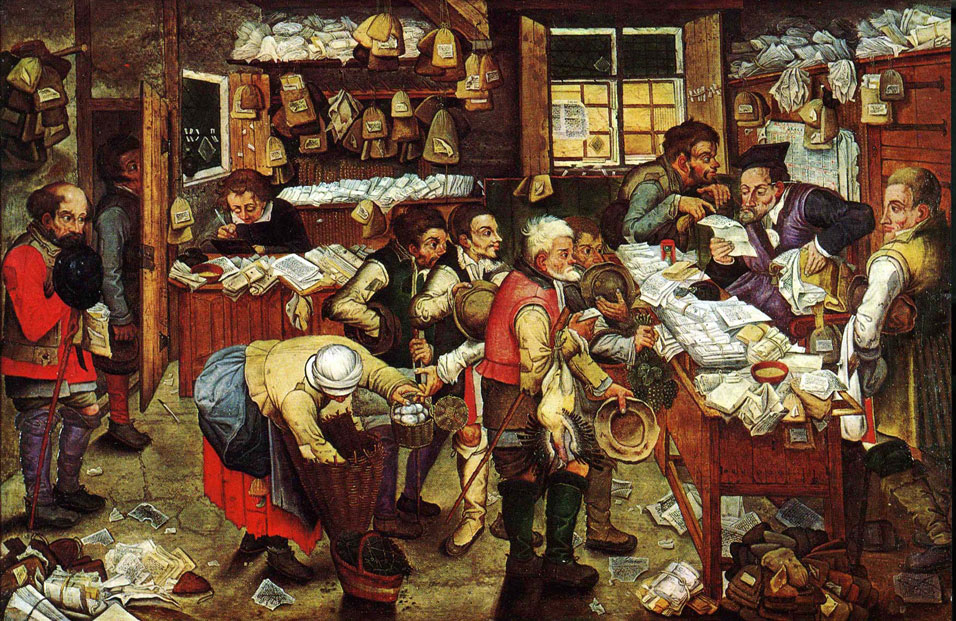
In this Frankly, Nate expands on our conventional definition of “taxes” to highlight nine other categories that will ‘tax’ our modern lifestyles. Traditionally, when we think of net and gross income, we only think of direct government taxes that subtract from what we take home. What are other taxes – resulting from our system’s ecology – which will factor into the way society can pay for the goods and services we’ve become used to? As converging global crises intensify and each add their own ‘tax’, can we learn to manage with a smaller “net “ resource balance sheet – and maintain our time, sanity, and humanity through the coming decades?
Show Notes
00:07 – Frankly on Franklys
02:17 – US adds 1 trillion in debt over the last 3 months and adding 1.5 trillion more
03:09 – US interest rates have been declining for decades
04:03 – Interest rate on new/used car is 10/14 percent
06:43 – Relocalization
06:55 – Comparative advantage
10:23 – Russell Stock Index
10:51 – AI wealth concentrating effect
11:31 – Global Heating increasing extreme weather events
12:31 – The U.S. has 50% of the world’s prescriptions, but 4% of the population
12:46 – U.S. life expectancy is declining
12:59 – 20% of GDP is healthcare





Comments
We changed commenting systems on September 10, 2026 as part of a site-wide functionality and security upgrade. Your past comments have not disappeared, and you can still log in with your old Disqus account credentials if you wish. Contact us with any questions.