


Recorded May 16th, 2023
Description
On this Frankly, Nate reflects on the Beyond Growth Conference held at the European Parliament, including the stunning public acknowledgement by EU President that a growth model based on fossil fuels is now obsolete. In the context of this growing and relevant conversation, Nate unpacks what the degrowth movement is getting right, but also what is missing from the conversation. Is it possible to purposely navigate from our current system to one with lower energy and material wealth? How does a large and growing global debt overhang impact this possibility? Is a transfer of wealth between nations feasible or even desirable based on realistic outcomes? In any case, as to the inevitability of a post-growth world, the degrowth conversation needs to be expanded. It’s the primary movement mapping out what a desirable destination might look like as we move through a Great Simplification.
Show Notes
00:05 – Beyond Growth Conference
00:18 – Morchella Mushrooms
00:30 – Clip of European Commissioner at the Beyond Growth Conference
01:27 – Degrowth
01:35 – Episodes for Vandana Shiva, Giorgos Kallis, Timothee Parrique, Olivia Lazard, Simon Michaux
01:48 – Kate Raworth
03:42 – 350-400% debt to GDP ratio
03:47 – US 90% energy independent
03:50 – 32 trillion dollar in debt and 200 trillion in unfunded pensions and social security
05:05 – Global North responsible for 80% of emissions
06:08 – The top 1% of earners in the US spend 7% of their income while the bottom 40% spend 104%
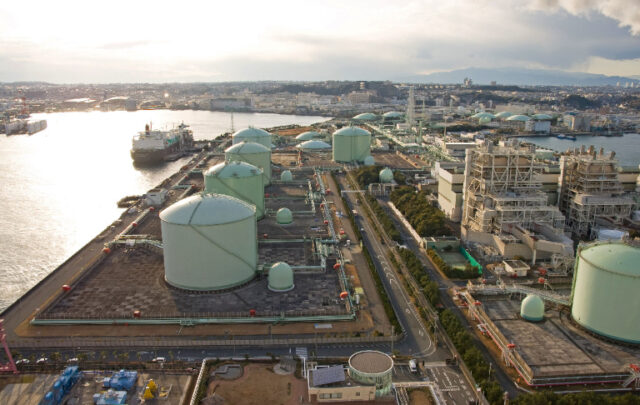
Teaser photo credit: By Gzirk – Own work, Public Domain, https://commons.wikimedia.org/w/index.php?curid=3959627. By Gzirk – Own work, Public Domain, https://commons.wikimedia.org/w/index.php?curid=3959627



Comments
We changed commenting systems on September 10, 2026 as part of a site-wide functionality and security upgrade. Your past comments have not disappeared, and you can still log in with your old Disqus account credentials if you wish. Contact us with any questions.
Degrowth, in its simplest sense will happen (not sure what Nate means by “post growth”) but the degrowth movement don’t really have proposals in detail for how degrowth happens and what a sustainable steady state target will look like. I very much doubt that most people understand that their society will not look anything like it does today if it were sustainable.