Capitalism has various growth imperatives that are inconsistent with environmental limits. That is, capitalism must grow for stability but cannot grow limitlessly on a finite planet. It follows that the future will be post-capitalist – by design or disaster.
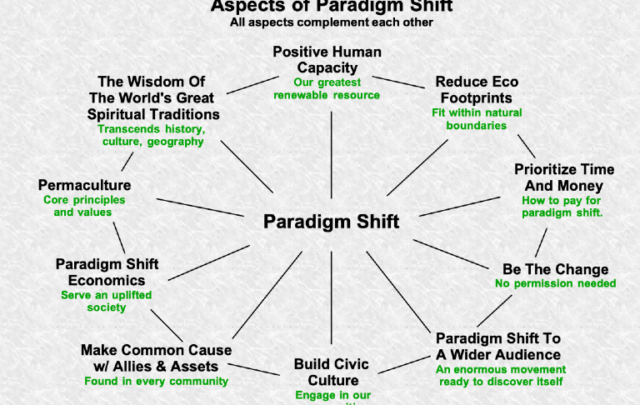
In this presentation Samuel Alexander explores a grassroots theory of change that he argues is the most coherent way to help drive a post-capitalist transition by design.
This is Part V of the Ecological Civilisation series.
The introduction to this series is available here: https://www.youtube.com/watch?v=WxC-r…
The series is grappling with the problems of consumerism and the growth economy; envisioning alternative, post-carbon ways of life; and considering what action can be taken, both personally and politically, to help build an ecological civilisation.
New presentations will be added to this playlist over time:
https://www.youtube.com/playlist?list…
You can support this channel by purchasing an e-book from the Simplicity Institute, available on a ‘pay what you can’ basis (edit the price as you choose for a donation):
Paperbacks are available here:
https://au.permacultureprinciples.com…
Samuel Alexander’s work is available here:
The Simplicity Institute website is here:
https://simplicityinstitute.org
FURTHER READING ON DECOUPLING:
http://www.sustainable.soltechdesigns…
https://eeb.org/library/decoupling-de…
https://www.pnas.org/content/112/20/6271
https://iopscience.iop.org/article/10…
https://www.resilience.org/stories/20…
FURTHER READING ON LIMITS TO GROWTH:
https://royalsoc.org.au/images/pdf/jo…
https://www.sciencedirect.com/science…
https://www.nature.com/articles/s4146…
https://dash.harvard.edu/bitstream/ha…
Thanks to Andrew Doodson, Jordan Osmond, and Antoinette Wilson for offering invaluable production advice.
The opening image is kindly provided by Melissa Davis.
The material footprints are from Hickel and Kallis, “Is Green Growth Possible?” (2019): https://www.researchgate.net/publicat…
The music is provided by Mortimer’s Method:
https://mortimersmethod.bandcamp.com
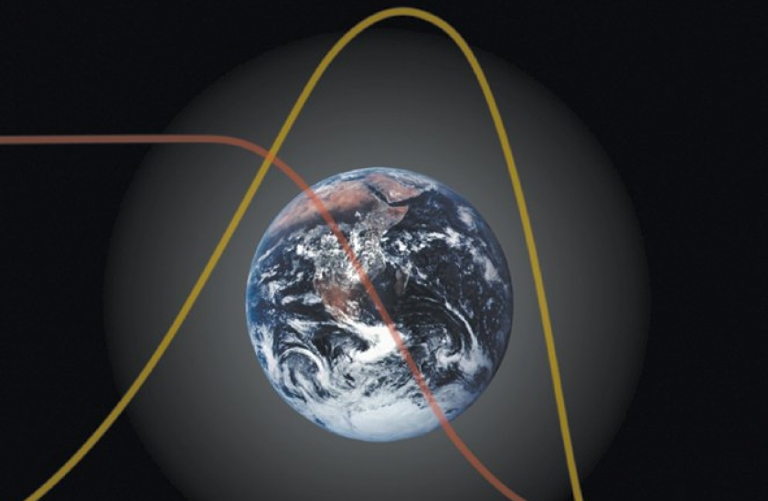
Teaser photo credit: Limits to Growth cover