

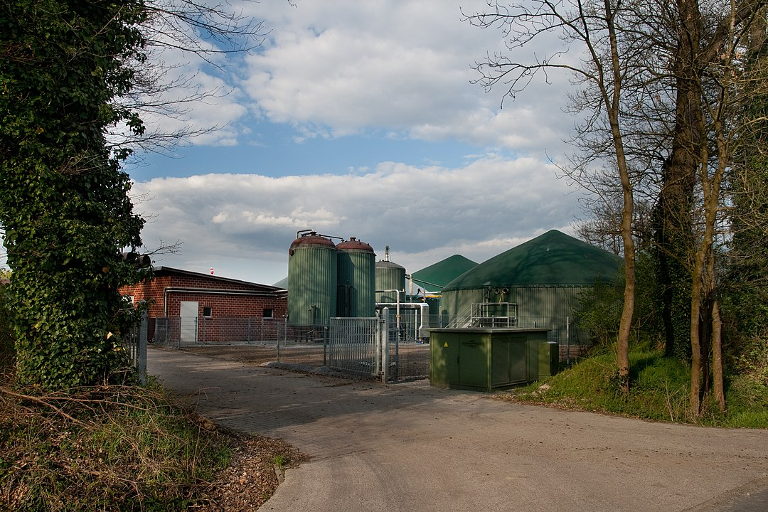
This presentation is about making renewable energy in your backyard from food scraps. Dr Alexander provides an introduction to domestic-scale biogas production and provides an independent, four-year review of the Home Biogas system.
This is Part I of the Ecological Civilisation series, written and presented by Samuel Alexander, co-director of the Simplicity Institute.
The introduction is available here: https://www.youtube.com/watch?v=WxC-r…
This series will be grappling with the problems of consumerism and the growth economy; envisioning alternative, post-carbon ways of life; and considering what action can be taken, both personally and politically, to help build an ecological civilisation. New presentations will be added to this playlist over time:
https://www.youtube.com/playlist?list…
You can support this channel by purchasing an e-book from the Simplicity Institute, available on a ‘pay what you can’ basis (edit the price as you choose for a donation): https://249897.e-junkie.com
Paperbacks are available here: https://au.permacultureprinciples.com…
The Home Biogas system under review in this video is available here (this is a non-affiliated link):
UPDATE from Dr Alexander: “In the presentation I said that I knew of no national or international standards that regulated household biogas systems. I’ve just discovered that recently international standards have been created: https://www.iso.org/standard/76157.html – This is great news as it shows this technology is gaining acceptance and recognition.”
Samuel Alexander’s work is available here: http://samuelalexander.info
The Simplicity Institute website is here: https://simplicityinstitute.org
We’d like to thank Andrew Doodson, Jordan Osmond, and Antoinette Wilson for offering invaluable production advice.
The opening image is kindly provided by Melissa Davis.
Other image references are available here: http://samuelalexander.info/image-ref…
The music is provided by Mortimer’s Method: https://mortimersmethod.bandcamp.com
Teaser photo credit: Biogas production in rural Germany. By Cec-clp – Own work, CC0, https://commons.wikimedia.org/w/index.php?curid=14914191



Comments
We changed commenting systems on September 10, 2026 as part of a site-wide functionality and security upgrade. Your past comments have not disappeared, and you can still log in with your old Disqus account credentials if you wish. Contact us with any questions.