Discussion about how cooperative farming and racial equity in federal food policy can create economic sustainability in Black communities. Connect with the work of the panelists: Tahz Walker Website: Earthseedlandcoop.org Facebook: @earthseedlandcoop Jessica Gordon-Nembhard, Ph.D. Collective Courage: A History of African American Cooperative Economic Thought and Practice Sharrona Moore Websites: Indianablackfarmers.com & Lawrencecommunitygardens.org Facebook/Instagram: @IndianaBlackFarmersCoop & @lawrencecommunitygardens DeShawn Blanding Website: Ruralco.org Instagram: @ruralco Facebook: @RuralCoalition
Teaser photo credit: National Sustainable Agriculture Coalition Facebook page
Tags: access to land, black commons, co-operatives, new economy
Related Articles
'SELECT SQL_CALC_FOUND_ROWS wp_posts.ID
FROM wp_posts LEFT JOIN wp_term_relationships ON (wp_posts.ID = wp_term_relationships.object_id)
WHERE 1=1 AND wp_posts.ID NOT IN (3484413) AND (
wp_term_relationships.term_taxonomy_id IN (2,4,8988)
) AND wp_posts.post_type = \'post\' AND ((wp_posts.post_status = \'publish\'))
GROUP BY wp_posts.ID
ORDER BY wp_posts.post_date DESC
LIMIT 0, 3'
In Malawi, where agriculture is central to daily life, an internship with an agroecology organisation offers an inside look at farming practices that challenge industrial food systems and support food sovereignty.
In January, we launched a brand-new Marine Ecosystems Community of Practice – a collaborative initiative bringing together four Ecosystem Restoration Communities (ERCs) working at the frontlines of coastal and marine restoration.
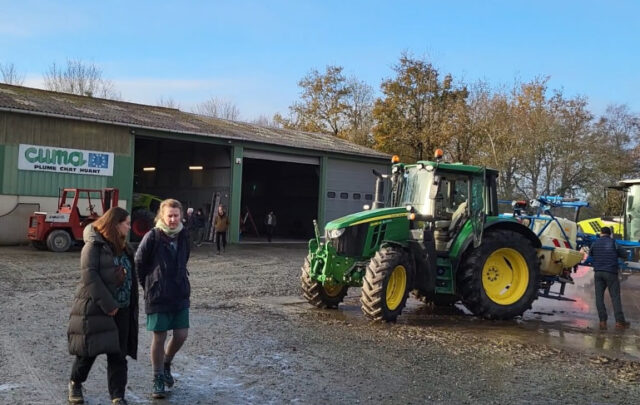
What if, instead of going into debt to invest in their farms, farmers came together to pool equipment? What if, instead of struggling to run a small farm alone, there was extra help at hand? What if new entrants could draw on the experience of more established farmers in their local area? It may sound too good to be true, but this is the reality with France’s network of Agricultural Machinery Cooperatives (CUMA).