We at Post Carbon Institute have been closely monitoring the global COVID-19 pandemic and encouraging our staff, volunteers, and broader community to take great caution and practice social distancing. But that doesn’t mean we should disengage.
Our team at resilience.org has and will continue to publish important and timely essays on what the pandemic means for our communities and the larger, systemic crises our societies face.
Because the situation is evolving so rapidly and dramatically, we thought it would be helpful to talk with some experts about important, largely unexplored aspects of this crisis and share those conversations with you.
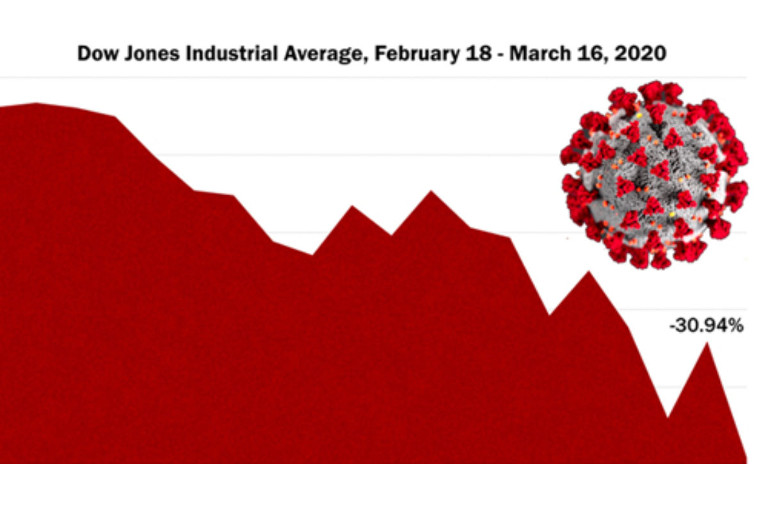
Yesterday, on March 16th, Nate Hagens and I sat down together (at a distance of 1,900 miles) to talk about the near- and long-term implications of COVID-19 on the financial system, energy, and the overall economy.
Here’s that interview.
Stay tuned for more conversations. In the meantime, please stay safe and (wisely) care for your loved ones and neighbors.

Asher became the Executive Director of Post Carbon Institute in October 2008, after having served as the manager of our former Relocalization Network program. He’s worked in the nonprofit sector since 1996 in various capacities. Prior to joining Post Carbon Institute, Asher founded Climate Changers, an organization that inspires people to reduce their impact on the climate by focusing on simple and achievable actions anyone can take.
Tags: coronavirus, economic crisis, Health
Related Articles
'SELECT SQL_CALC_FOUND_ROWS wp_posts.ID
FROM wp_posts LEFT JOIN wp_term_relationships ON (wp_posts.ID = wp_term_relationships.object_id)
WHERE 1=1 AND wp_posts.ID NOT IN (3480530) AND (
wp_term_relationships.term_taxonomy_id IN (1,2,5,9001)
) AND wp_posts.post_type = \'post\' AND ((wp_posts.post_status = \'publish\'))
GROUP BY wp_posts.ID
ORDER BY wp_posts.post_date DESC
LIMIT 0, 3'
And you don’t have to be much of a political strategist to work out that voters are going to punish a social democratic party for not looking after the health sector, or for a weak economy—one a core trusted issue, the other a basic test of government competence—more than they will for migration numbers that are misunderstood and repeatedly misrepresented.
In this week’s Frankly, Nate explores the growing sense that many people feel disoriented and overwhelmed in a world increasingly saturated with digital content.
For centuries, social life in Europe was radically organized at the local level. Language, food, work, belonging, and identity were closely tied to specific places: landscapes, villages, and markets. Relationships were manageable and resilient. Place was not a backdrop — it was the system.
March 3, 2026
Become a monthly donor to ensure that articles, podcasts, and events stay free for everyone in our community.