

The biosphere and econosphere are deeply interlinked and both are in crisis. Industrial, fossil-fuel based capitalism delivered major increases in living standards from the mid-18th through late-20th centuries, but at the cost of widespread ecosystem destruction, planetary climate change, and a variety of economic injustices. Furthermore, over the past 40 years, the gains of growth have flowed almost exclusively to the top 10%, fuelling populist anger across many countries, endangering both democracy and global action on climate change. This talk will argue that underlying the current dominant model of capitalism are a set of theories and ideologies that are outdated, unscientific, and morally unsound. New foundations can be built from modern understandings of human behaviour, complex systems science, and broad moral principles. By changing the ideologies, narratives, and memes that govern our economic system, we can create the political space required for the policies and actions required to rapidly transform to a sustainable and just economic system. Oxford Martin School, University of Oxford www.oxfordmartin.ox.ac.uk
Related Articles
'SELECT SQL_CALC_FOUND_ROWS wp_posts.ID
FROM wp_posts LEFT JOIN wp_term_relationships ON (wp_posts.ID = wp_term_relationships.object_id)
WHERE 1=1 AND wp_posts.ID NOT IN (3479869) AND (
wp_term_relationships.term_taxonomy_id IN (2,8994)
) AND wp_posts.post_type = \'post\' AND ((wp_posts.post_status = \'publish\'))
GROUP BY wp_posts.ID
ORDER BY wp_posts.post_date DESC
LIMIT 0, 3'
Truth, lies, and loyalty in the age of Trumpism
Why do people cling to falsehoods, even in the face of evidence? Both truth and lies serve social purposes, but holding onto reason becomes essential as we face climate change and rising Trumpism.
April 7, 2026
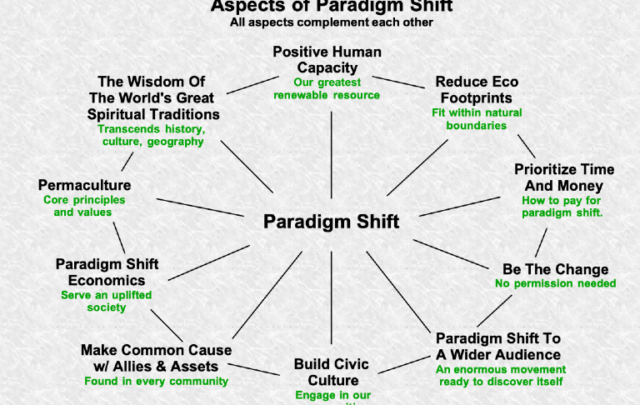
How to build community resilience in the face of abrupt economic decline
Benicia, California, is set to lose its largest single employer and source of tax revenue, a sprawling oil refinery. A Guardian article about this issue catalyzed this essay that describes what a thoughtful process might look like, if a community – any community – chose to pursue sustainability instead of economic growth.
April 2, 2026
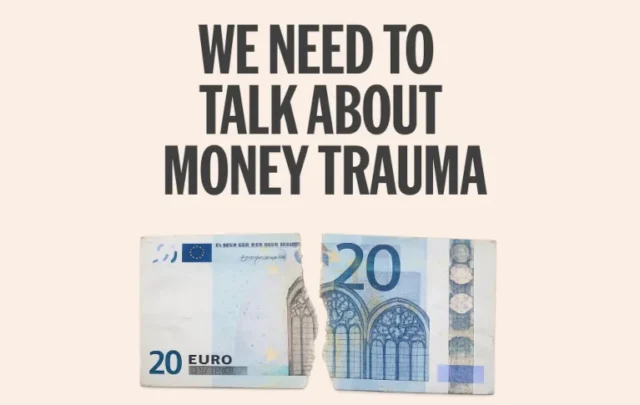
We Have to Start Talking About Money Trauma
It’s curious that money trauma hasn’t gone into the mainstream yet. It’s one of the most fundamental forces shaping how we move around in our lives, and yet it remains incredibly taboo.
March 31, 2026

