

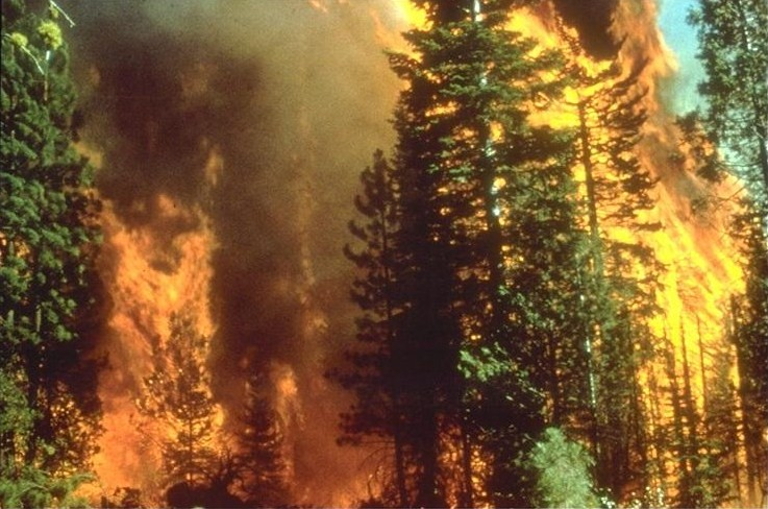
California’s largest utility is bankrupt as a result of its liability for starting some of California’s largest and deadliest wildfires. Now the utility, its shareholders and investors, and the state itself are trying to figure out how to reorganize the company, manage its wildfire risk, and the pay for its future liabilities in an era of a warming climate and enduring droughts. But that’s just where this story starts, not where it ends. In reality, all of the state’s utilities need a backstop for their wildfire liabilities, and de-energizing transmission lines isn’t the only solution. In fact, these questions go beyond the borders of a single state, and touch on a host of deeper issues, including insurance underwriting rules, building and planning and zoning rules, and even how the grid itself will be operated. And it turns out that many of the same solutions that help us in the energy transition can also help us mitigate the risks of wildfires, and adapt to our new climate reality. We are fortunate to have Michael Wara as our guest in this episode—a bona fide expert on the subject who is a member of the state-appointed wildfire commission in California—to help us think through this complex web of issues and understand how to start plotting a new path into the future.
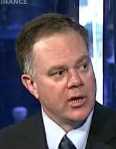
Guest: Michael Wara is the Director of the Climate and Energy Policy program and a senior research scholar at the Stanford Woods Institute for the Environment. He collaborates with economists, engineers and scientists in research on the design and evaluation of technical and regulatory solutions to climate and energy challenges. He is also an expert on international environmental law with a particular focus on the ozone and climate treaty regimes. Prior to joining Woods, Wara was an associate professor at Stanford Law School and an associate in Holland & Knight’s government practice. He received his J.D. from Stanford Law School and his Ph.D. in Ocean Sciences from the University of California at Santa Cruz.
On Twitter: @MichaelWWara
On the Web: Michael’s page at Stanford Woods Institute for the Environment
Recording date: July 8, 2019
Air date: August 21, 2019
Geek rating: 2


Comments
We changed commenting systems on September 10, 2026 as part of a site-wide functionality and security upgrade. Your past comments have not disappeared, and you can still log in with your old Disqus account credentials if you wish. Contact us with any questions.