We’re GOING to make the transition to renewable sources of energy. There is no scenario outside the dark mind of Dick Cheney where we continue to use depleting and polluting fossil fuels over the long run to power society. So how exactly are we going to make the transition? In this episode, Jason, Rob, and Asher talk about some of the magical “solutions” that are being peddled out on the streets of Crazy Town (solar roadways, anyone?!?) and why we’re so quick to jump at technological fixes that ignore math, physics, and ecology.
Asher became the Executive Director of Post Carbon Institute in October 2008, after having served as the manager of our former Relocalization Network program. He’s worked in the nonprofit sector since 1996 in various capacities. Prior to joining Post Carbon Institute, Asher founded Climate Changers, an organization that inspires people to reduce their impact on the climate by focusing on simple and achievable actions anyone can take.
Tags: Crazy Town, Renewable Energy, renewable energy transition
Related Articles
'SELECT SQL_CALC_FOUND_ROWS wp_posts.ID
FROM wp_posts LEFT JOIN wp_term_relationships ON (wp_posts.ID = wp_term_relationships.object_id)
WHERE 1=1 AND wp_posts.ID NOT IN (3476495) AND (
wp_term_relationships.term_taxonomy_id IN (1,3,8988,8995,46432,47210,47212,47214,47441,47503)
) AND wp_posts.post_type = \'post\' AND ((wp_posts.post_status = \'publish\'))
GROUP BY wp_posts.ID
ORDER BY wp_posts.post_date DESC
LIMIT 0, 3'
By Umed Qurbonbekov, Home Planet Fund
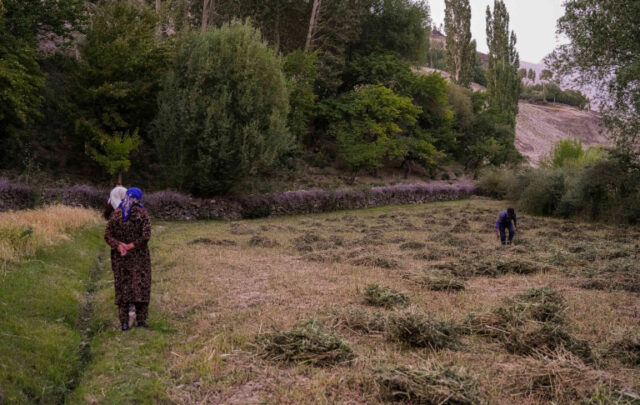
In Tughgoz village, located in the remote Ishkashim District of Tajikistan, agriculture is more than a livelihood — it is the foundation of daily life. Like many rural communities in the region, village residents rely on their land, local knowledge, and traditional seed varieties to sustain their families and protect their future.
April 2, 2026
By Christopher Haines, Resilience.org
The easiest and cheapest means of reducing warming is increasing vegetation in rural areas; eliminating bare soil, especially the millions of acres produced by industrial agriculture, addressing erosion and aridification, and restoring forests, which will also increase fire-resistance, reducing the need for the far-more complex and expensive changes required in suburban and urban areas.
April 2, 2026
By Jan Spencer, Resilience.org
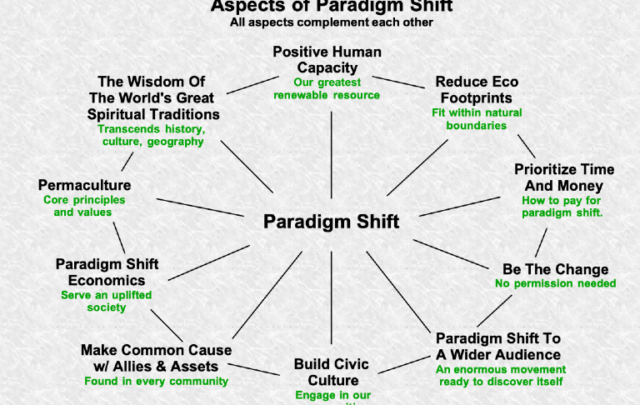
Benicia, California, is set to lose its largest single employer and source of tax revenue, a sprawling oil refinery. A Guardian article about this issue catalyzed this essay that describes what a thoughtful process might look like, if a community – any community – chose to pursue sustainability instead of economic growth.
April 2, 2026