

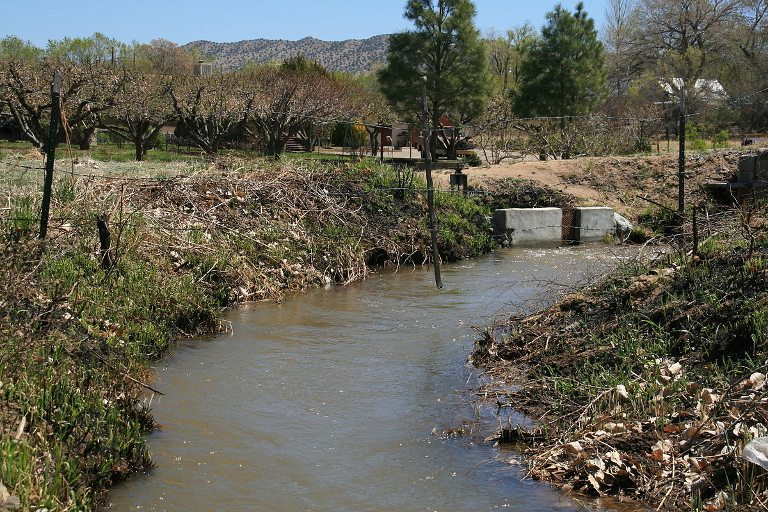
Devon Peña is Professor of American Ethnic Studies and Anthropology at the University of Washington. He is also founder and president of the Acequia Institute an organization devoted to strengthening traditional communal irrigation practices in the San Luis Valley of Colorado. He and host Alan Wartes spoke about his advocacy of what he calls the “decolonization of identity” among indigenous peoples in particular but also how everyone can benefit from this concept.
Related Articles
'SELECT SQL_CALC_FOUND_ROWS wp_posts.ID
FROM wp_posts LEFT JOIN wp_term_relationships ON (wp_posts.ID = wp_term_relationships.object_id)
WHERE 1=1 AND wp_posts.ID NOT IN (3475383) AND (
wp_term_relationships.term_taxonomy_id IN (5,8988,8992,9001)
) AND wp_posts.post_type = \'post\' AND ((wp_posts.post_status = \'publish\'))
GROUP BY wp_posts.ID
ORDER BY wp_posts.post_date DESC
LIMIT 0, 3'
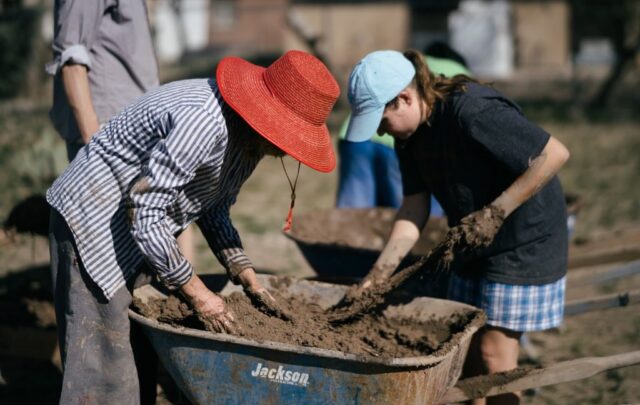
How an invasive weed could help Tucson rebuild from the ground up
An Arizona community’s plan to reuse an invasive weed to construct low-income housing shows that when we can’t pressure the top, we can rebuild from the bottom.
October 7, 2026
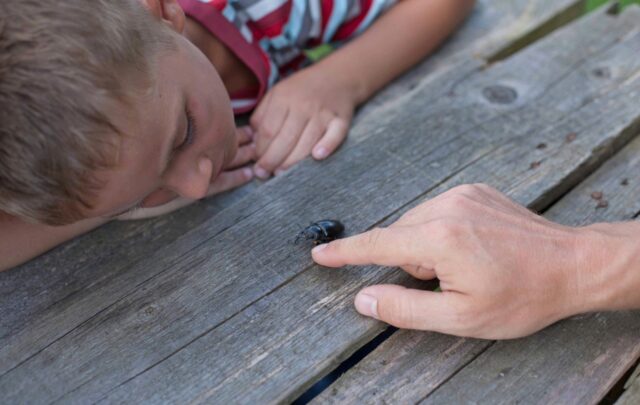
Learning to unlearn our baneful relationship with the natural world
How did we, as children, come to believe that banana spiders were ours to capture and kill? We thought nothing of the welfare of the insects.
October 7, 2026

Crazy Town: Episode 134. Finding Crazy Town Part 6: Facing the Future
What would it actually mean to live with less? Can we preserve the things we value most—health, human rights, cultural diversity, individual freedom—without preserving the system that created them?
October 7, 2026


Comments
We changed commenting systems on September 10, 2026 as part of a site-wide functionality and security upgrade. Your past comments have not disappeared, and you can still log in with your old Disqus account credentials if you wish. Contact us with any questions.