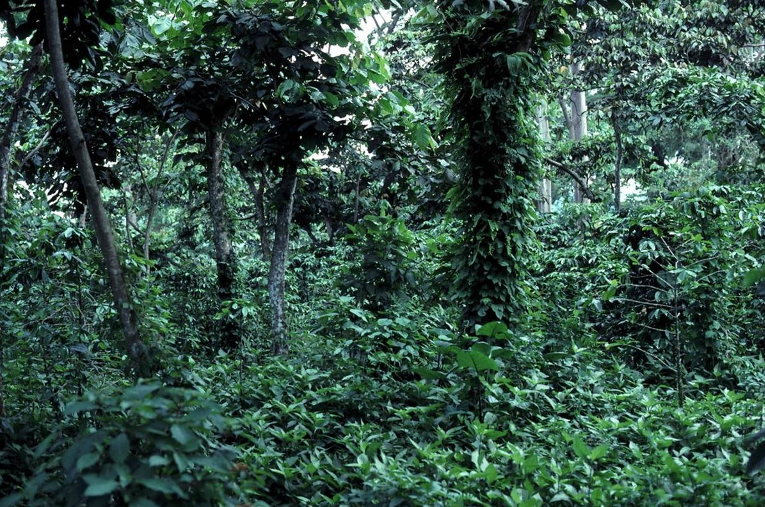
Occam’s Razor is a principle that tells us that the simplest solution to a problem tends to be the correct one. Farmers around the world are abiding by this philosophy in droves by practicing agroforesty, an ancient agricultural technique that supports biodiversity while simultaneously sequestering carbon. This week on Sea Change Radio, we learn all about agroforestry from Erik Hoffner, an editor at Mongabay. Hoffner takes a look at examples of agroforestry efforts around the globe, examines recent investments into the sector and shows how it stacks up to large, industrial agricultural systems. As you’ll see, sometimes the best answers are right under our noses the whole time.
Related Articles
'SELECT SQL_CALC_FOUND_ROWS wp_posts.ID
FROM wp_posts LEFT JOIN wp_term_relationships ON (wp_posts.ID = wp_term_relationships.object_id)
WHERE 1=1 AND wp_posts.ID NOT IN (3474443) AND (
wp_term_relationships.term_taxonomy_id IN (4,8988,8992,8997)
) AND wp_posts.post_type = \'post\' AND ((wp_posts.post_status = \'publish\'))
GROUP BY wp_posts.ID
ORDER BY wp_posts.post_date DESC
LIMIT 0, 3'

Water and Security in the Middle East: Lessons from the Iranian Crisis
Water, through its progressive scarcity, is redrawing the map of vulnerabilities and powers. Countries that make its management a factor of internal cohesion and regional cooperation will be better equipped for the decades to come.
March 5, 2026
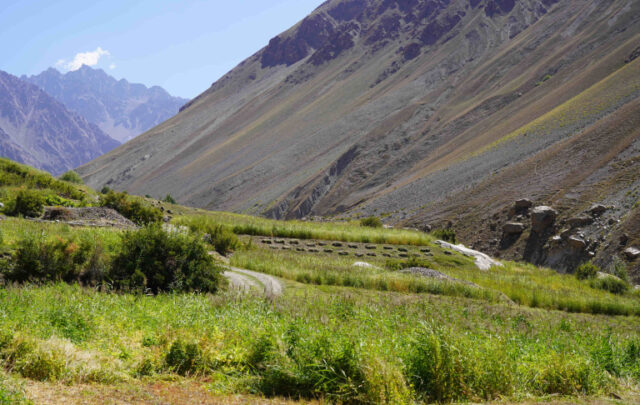
Ravmed: Where the Mountains Guard the Seeds of Life
Ravmed’s story is not just about wheat. It is about people who refused to let their heritage disappear, who safeguarded what their ancestors handed down, and who continue—season by season—to plant a future rooted firmly in the past.
March 5, 2026
NOW! IT’S TIME
There are simpler, healthier paths we can take. With instability in more than our climate systems, it is time to examine where we live, where we draw the line.
March 2, 2026