1. Civilisation
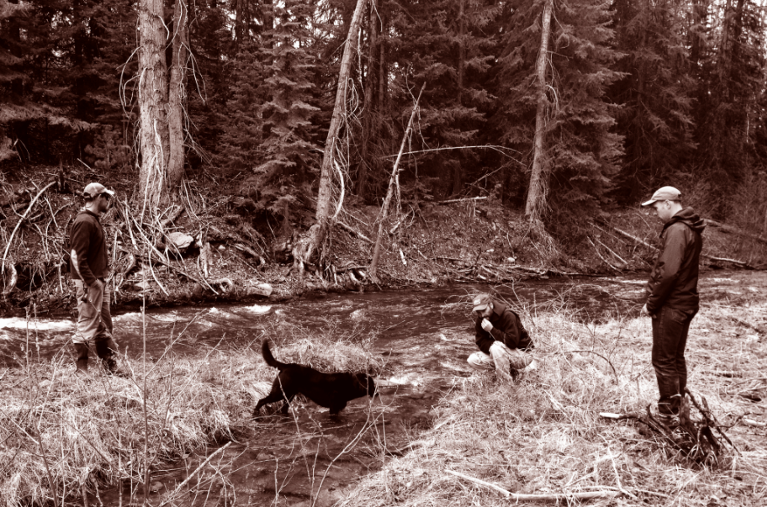
The first story I was told about rivers can be summed up like this: there is direct line from the Sumerian Ziggurat of Ur to the Chrysler Building. I was around nine.
2. Civilisation II
Rivers allowed us to grow food, store it, build houses, libraries, museums, cities and empires. I was maybe ten when I heard this one.
You can read the rest of this piece on the Dark Mountain site here.
Tags: connection with nature, environmental degradation, environmental restoration projects, rivers
Related Articles
'SELECT SQL_CALC_FOUND_ROWS wp_posts.ID
FROM wp_posts LEFT JOIN wp_term_relationships ON (wp_posts.ID = wp_term_relationships.object_id)
WHERE 1=1 AND wp_posts.ID NOT IN (3469406) AND (
wp_term_relationships.term_taxonomy_id IN (3,5,8988,8990)
) AND wp_posts.post_type = \'post\' AND ((wp_posts.post_status = \'publish\'))
GROUP BY wp_posts.ID
ORDER BY wp_posts.post_date DESC
LIMIT 0, 3'
By Erik Assadourian, Gaianism
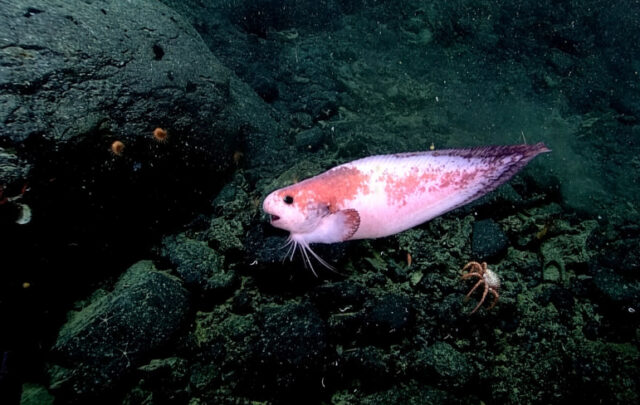
So, it’s time we Make America Go Away from the Deep Ocean. Yes, the MAGADO movement.
October 8, 2026
By Andy Bichlbaum, Waging Nonviolence
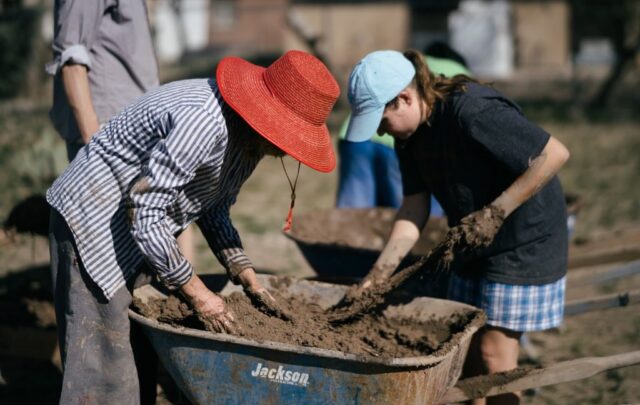
An Arizona community’s plan to reuse an invasive weed to construct low-income housing shows that when we can’t pressure the top, we can rebuild from the bottom.
October 7, 2026
By Asher Miller, Jason Bradford, Rob Dietz, Alex Leff, Resilience.org
What would it actually mean to live with less? Can we preserve the things we value most—health, human rights, cultural diversity, individual freedom—without preserving the system that created them?
October 7, 2026




Comments
We changed commenting systems on September 10, 2026 as part of a site-wide functionality and security upgrade. Your past comments have not disappeared, and you can still log in with your old Disqus account credentials if you wish. Contact us with any questions.