
In this third video on urban swales, I explain why the level is a key tool in permaculture design and demonstrate its use to ensure that our swales work as intended:
Ed. note: You can find Part 1 in this series here and Part 2 here.
The Resilience Community Forum is LIVE. Join the discussion here!

Insight and inspiration in turbulent times.

In this third video on urban swales, I explain why the level is a key tool in permaculture design and demonstrate its use to ensure that our swales work as intended:
Ed. note: You can find Part 1 in this series here and Part 2 here.
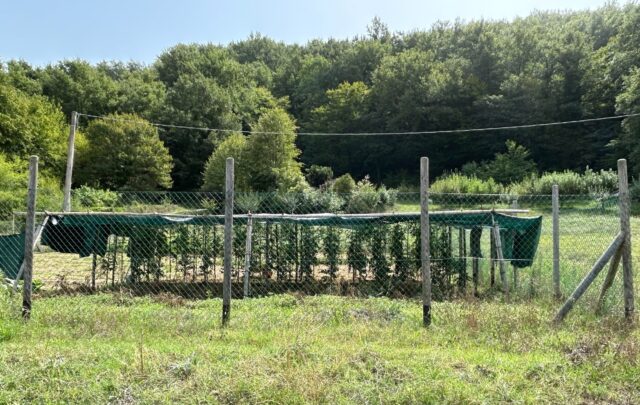
My intention was to write about simple self-sufficiency, especially when it comes to growing food. But then this summer was challenging in a way I thought I was prepared for… but wasn’t.
September 18, 2026
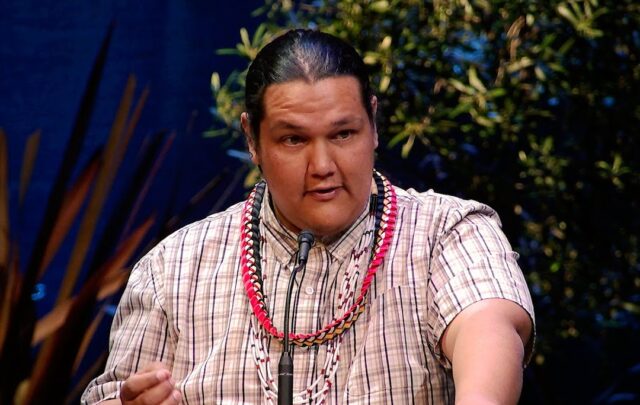
In this keynote address, Indigenous activist Sammy Gensaw shares his experiences working for ecological and cultural revival along the Klamath River, central to his people’s identity and livelihood.
September 17, 2026
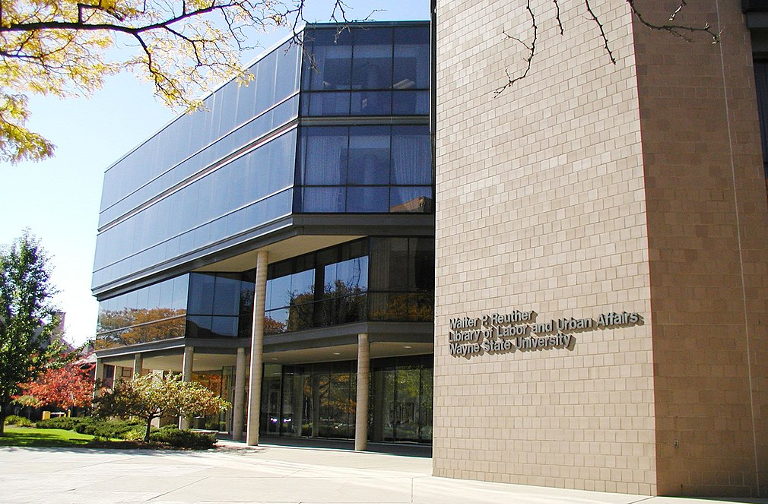
Labor activists take steps to preserve the documents and strategies they use today, so future organizers will have a practical guide.
September 8, 2026


Comments
We changed commenting systems on September 10, 2026 as part of a site-wide functionality and security upgrade. Your past comments have not disappeared, and you can still log in with your old Disqus account credentials if you wish. Contact us with any questions.