

This episode describes six areas of organisational life which need to be attended to for it to be healthy and successful, which are also the titles of the 6 episodes in this series: Creating Culture; Finding Fit; Working with Power; Discovering Direction; Getting Things Done Together; and Learning and Lasting. It explains how attending to all 6 areas create the conditions for collaboration to actually get the work done, both inside and outside of meetings. This episode explores how this is done using a conventional hierarchy and then how it looks using two methods of self-organisation beyond hierarchy: more collaborative and agile approaches.

Related Articles
'SELECT SQL_CALC_FOUND_ROWS wp_posts.ID
FROM wp_posts LEFT JOIN wp_term_relationships ON (wp_posts.ID = wp_term_relationships.object_id)
WHERE 1=1 AND wp_posts.ID NOT IN (2539136) AND (
wp_term_relationships.term_taxonomy_id IN (5,8988)
) AND wp_posts.post_type = \'post\' AND ((wp_posts.post_status = \'publish\'))
GROUP BY wp_posts.ID
ORDER BY wp_posts.post_date DESC
LIMIT 0, 3'

Longing to belong: The power of a place called home
A thriving village is a collective creation. People, place, participation, creativity, and inclusion are the ingredients.
October 9, 2026
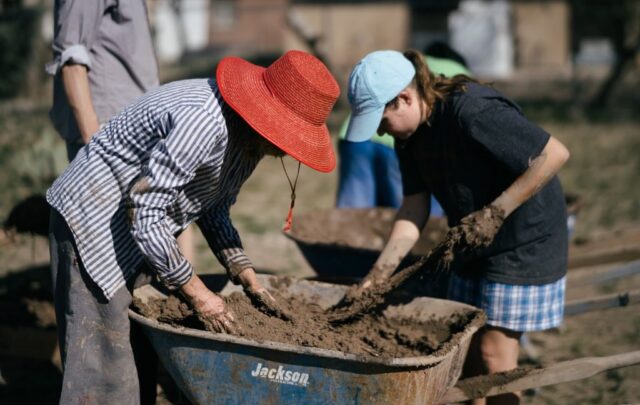
How an invasive weed could help Tucson rebuild from the ground up
An Arizona community’s plan to reuse an invasive weed to construct low-income housing shows that when we can’t pressure the top, we can rebuild from the bottom.
October 7, 2026
Crazy Town: Episode 134. Finding Crazy Town Part 6: Facing the Future
What would it actually mean to live with less? Can we preserve the things we value most—health, human rights, cultural diversity, individual freedom—without preserving the system that created them?
October 7, 2026


Comments
We changed commenting systems on September 10, 2026 as part of a site-wide functionality and security upgrade. Your past comments have not disappeared, and you can still log in with your old Disqus account credentials if you wish. Contact us with any questions.