

In these interviews, we look at peak oil theory with Richard Heinberg and James Hamilton. Heinberg argues that we have reached peak oil supply and that will have major economic consequences for our future prospects of economic growth. Hamilton on the other hand sees this as more of a demand issue. Take a look.


Related Articles
'SELECT SQL_CALC_FOUND_ROWS wp_posts.ID
FROM wp_posts LEFT JOIN wp_term_relationships ON (wp_posts.ID = wp_term_relationships.object_id)
WHERE 1=1 AND wp_posts.ID NOT IN (2224044) AND (
wp_term_relationships.term_taxonomy_id IN (1)
) AND wp_posts.post_type = \'post\' AND ((wp_posts.post_status = \'publish\'))
GROUP BY wp_posts.ID
ORDER BY wp_posts.post_date DESC
LIMIT 0, 3'
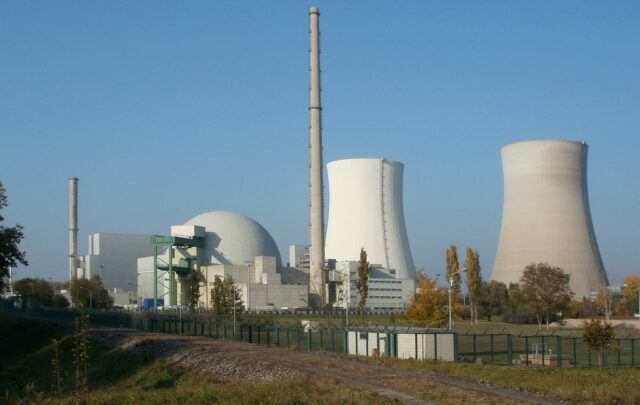
9,000-acre nuclear-powered data center proposed on public lands in Utah
The facility calls for 456 small nuclear reactors, nuclear fuel production and nuclear waste storage. On the same day it surfaced, Sen. Ron Wyden introduced legislation that would ban new data centers.
October 6, 2026

Robert Jensen argues that ‘fewer and less’ is unavoidable. But the future is not fixed
It is true that no high-energy society has ever halved its material throughput and existed at that level across generations. But an absent precedent for an unprecedented situation merely tells us the situation is new, not what people will do.
October 1, 2026

A future of ‘fewer and less’ may be unavoidable. But how do we get there humanely?
With age, I’ve become more aware of the world’s complexity but also better equipped to come to simple, albeit painful, conclusions: We need to replace fantasies of endless growth with ideas about managing the contraction.
September 16, 2026


Comments
We changed commenting systems on September 10, 2026 as part of a site-wide functionality and security upgrade. Your past comments have not disappeared, and you can still log in with your old Disqus account credentials if you wish. Contact us with any questions.