
Human and ecological economist Bill Rees recorded in April at the Vancouver Degrowth Event on why degrowth is the only realistic path to sustainability.

Insight and inspiration in turbulent times.

Human and ecological economist Bill Rees recorded in April at the Vancouver Degrowth Event on why degrowth is the only realistic path to sustainability.
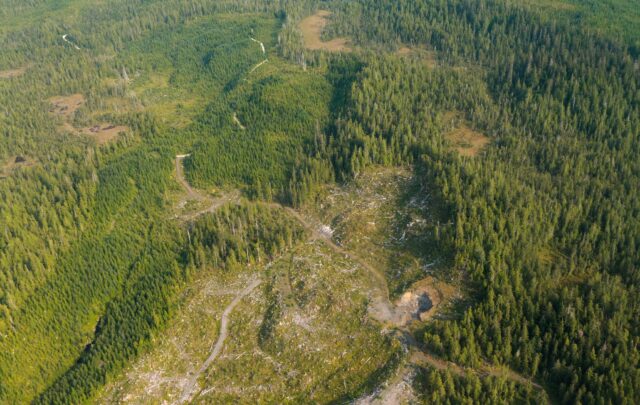
We dug through hundreds of organizational filings to find out who wanted one of America’s most important forest protections eliminated.
October 21, 2026
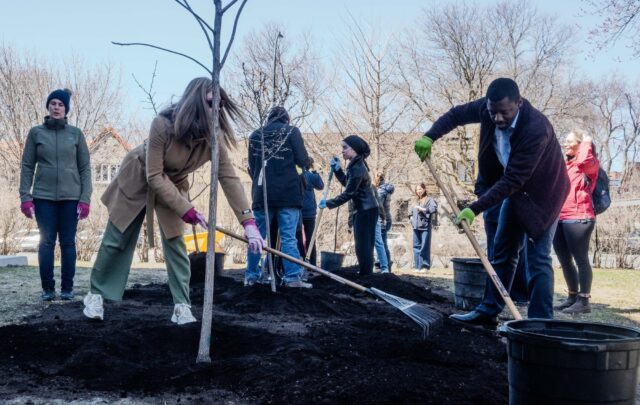
Montreal’s Darlington Ecological Corridor began as a tool to help urban foxes survive. Now, it’s become so much more.
October 21, 2026
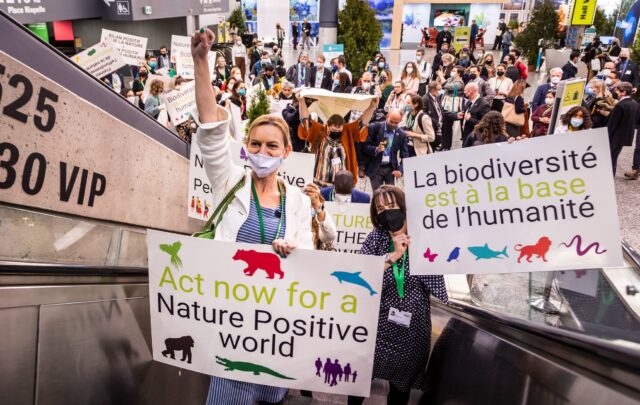
This year’s COP summit focuses on protecting, restoring, and sustainably managing nature as the world falls short of most 2030 targets under the Kunming–Montreal Global Biodiversity Framework.
October 20, 2026


Comments
We changed commenting systems on September 10, 2026 as part of a site-wide functionality and security upgrade. Your past comments have not disappeared, and you can still log in with your old Disqus account credentials if you wish. Contact us with any questions.