NOTE: Images in this archived article have been removed.
 One of the world’s foremost authorities on restoration agriculture, Mark Shepard is happy that its popularity is growing but worries that its systemic nature is being misunderstood or "much degraded." Restoration agriculture calls for the re-imagination of agriculture in which perennial systems replace annual plantings and harvests that expire in one season and leave nothing behind except scorched earth, toxic runoff and carbon emissions. What is necessary is a "systematic redesign of how we get our staple food crops," Shepard says. "Agriculture absolutely must be ecological agriculture or else it will not persist."
Cross-posted at truthout.org
Related Articles
'SELECT SQL_CALC_FOUND_ROWS wp_posts.ID
FROM wp_posts LEFT JOIN wp_term_relationships ON (wp_posts.ID = wp_term_relationships.object_id)
WHERE 1=1 AND wp_posts.ID NOT IN (2114282) AND (
wp_term_relationships.term_taxonomy_id IN (4,8988)
) AND wp_posts.post_type = \'post\' AND ((wp_posts.post_status = \'publish\'))
GROUP BY wp_posts.ID
ORDER BY wp_posts.post_date DESC
LIMIT 0, 3'
By Umed Qurbonbekov, Home Planet Fund
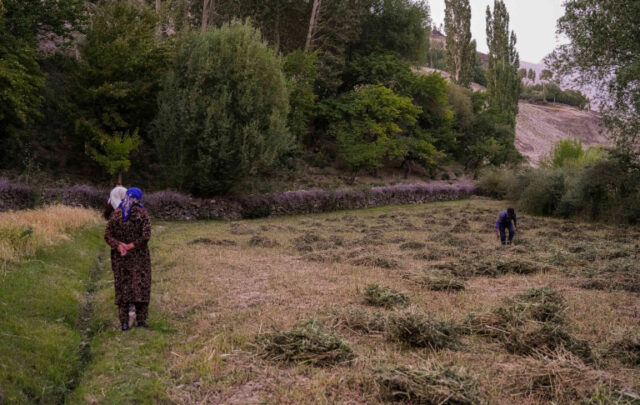
In Tughgoz village, located in the remote Ishkashim District of Tajikistan, agriculture is more than a livelihood — it is the foundation of daily life. Like many rural communities in the region, village residents rely on their land, local knowledge, and traditional seed varieties to sustain their families and protect their future.
April 2, 2026
By Zoe Gilbertson, Liflad Thoughts
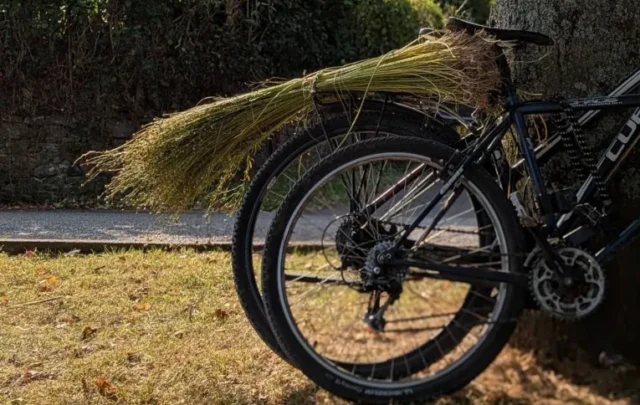
We’d love you to follow our exciting journey into the specifics and challenges of vertically micro-manufacturing the first bioregional, ecological UK linen in decades!
April 1, 2026
By Zia Gallina, The Subversive Farmer
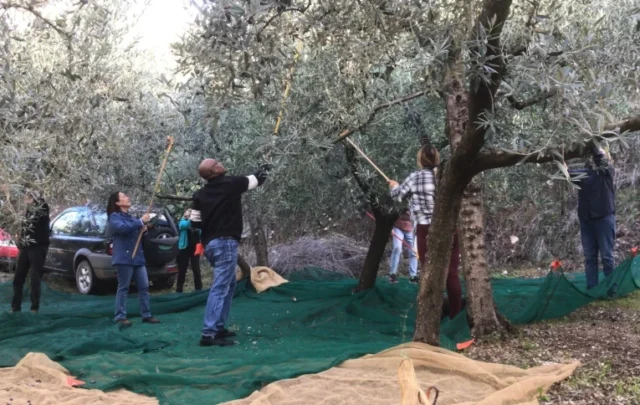
If we take back control of our food and our water we stop environmental degradation. We cannot do it alone. But we can do it within a community.
April 1, 2026