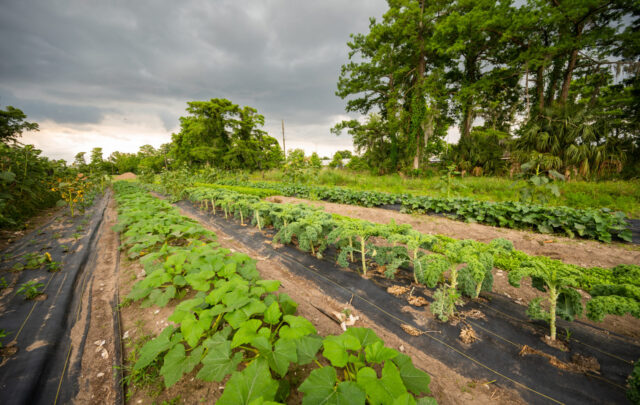
We attended a delicious potluck dinner from foods produced around Victoria, Vancouver Island, B.C. Too bad you can’t taste this video — it was a locavore’s delight! Small-scale food producers brought fresh-caught salmon, pastured pork and lamb, eggs, winter squashes, jerusalem artichoke purée, and fermented vegetables. We talked about producing food in their region: using animals to clear brush, water storage, and creating edible food landscapes on residential parcels. Sadly, land is financially out of reach for many would-be small farmers. (A locavore eats mostly local food). Episode 257.
A locavore’s potluck
By Janaia Donaldson, originally published by Peak Moment Television
February 19, 2014
Janaia Donaldson
Janaia Donaldson is the host and producer of Peak Moment TV conversations showcasing grass roots entrepreneurs pioneering locally reliant, resilient communities during these challenging times of energy and resource decline, ecological limits, and economic turbulence. We tour North America in our mobile studio, taping on location. Peak Moment Conversations are online at www.peakmoment.tv/
Tags: locavores
Related Articles
Forest gardening for resilience: Growing regenerative food systems in New Zealand
By Gary Marshall, Aotearoa Permaculture Workshop
In New Zealand, forest gardening is being reshaped to fit local climates, ecosystems and cultural contexts. Drawing on years of research and practice, this work shows how place-based adaptation can support more resilient, regenerative food systems.
April 30, 2026
Revolt, reform or rebuild: Building resilient food systems from the ground up
By Gary Marshall, Aotearoa Permaculture Workshop
The global food system is both essential and unsustainable, locked into patterns that resist meaningful reform. Real change, the author argues, lies in rebuilding local, regenerative food systems that can gradually replace what no longer works.
April 29, 2026
Understanding how plants pause and restart growth can help develop climate‑resilient crops
By Arif Ashraf, Olivia Hazelwood, The Conversation
New research shows that plants can temporarily halt root growth under stresses like cold and drought, then rapidly restart it once conditions improve. By identifying the genes behind this “pause and push” response, scientists hope to develop crops that recover more quickly from extreme weather, strengthening food security in a changing climate.
April 27, 2026