NOTE: Images in this archived article have been removed.
This essay comes from the book ENERGY: Overdevelopment and the Delusion of Endless Growth published by the Foundation for Deep Ecology in collaboration with Watershed Media and Post Carbon Institute.
Download Regulatory Illusion
Regulatory Illusion – Brian Horejsi
Brian L. Horejsi is a wildlife scientist with a PhD from the University of Calgary and a BS in forestry from the University of Montana. Formerly a range management forester for the Alberta Forest Service, he has conducted studies of grizzly and black bears, bighorn sheep, moose, and caribou, and for more than two decades he has beena conservation biology consultant and activist focused on preserving biological diversity. He lives in the Rocky Mountain foothills.
Tags: energy industry, energy-reality, environmental regulation, government, Pollution
Related Articles
'SELECT SQL_CALC_FOUND_ROWS wp_posts.ID
FROM wp_posts LEFT JOIN wp_term_relationships ON (wp_posts.ID = wp_term_relationships.object_id)
WHERE 1=1 AND wp_posts.ID NOT IN (1879026) AND (
wp_term_relationships.term_taxonomy_id IN (3)
) AND wp_posts.post_type = \'post\' AND ((wp_posts.post_status = \'publish\'))
GROUP BY wp_posts.ID
ORDER BY wp_posts.post_date DESC
LIMIT 0, 3'
By Erik Assadourian, Gaianism
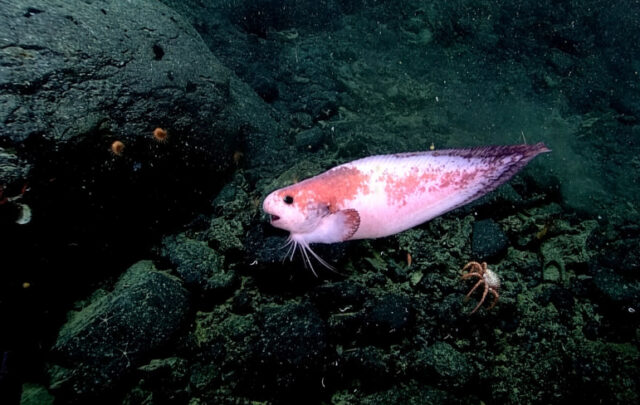
So, it’s time we Make America Go Away from the Deep Ocean. Yes, the MAGADO movement.
October 8, 2026
By Tom Murphy, Do the Math
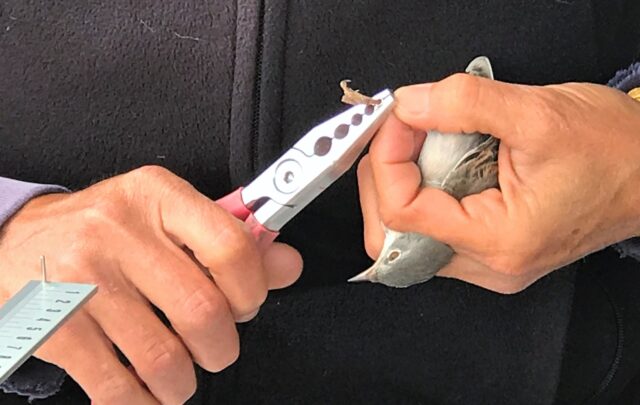
Much of science is in the service of modernity, producing remarkable short-term advantages for humans generally at the expense of the rest of the community of life.
October 5, 2026
By Frank Kaminski, Mud City Press
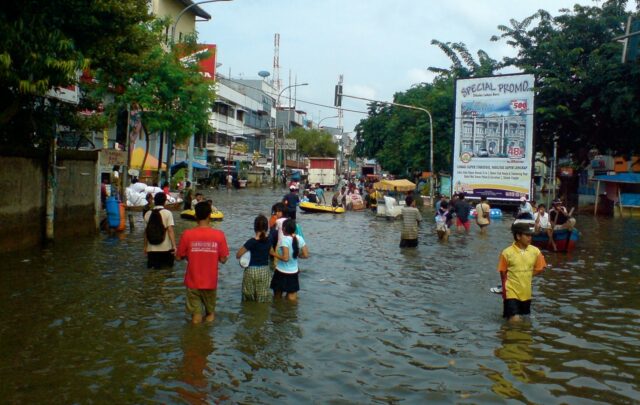
Water, that vital element, is an invasive presence in the documentary Displaced on the Island of Java: A Village Sinking into the Sea.
October 1, 2026






Comments
We changed commenting systems on September 10, 2026 as part of a site-wide functionality and security upgrade. Your past comments have not disappeared, and you can still log in with your old Disqus account credentials if you wish. Contact us with any questions.