


WASHINGTON – The U.S. Department of Energy released a new report which assesses how America’s critical energy and electricity infrastructure is vulnerable to the impacts of climate change. Historically high temperatures in recent years have been accompanied by droughts and extreme heat waves, more wildfires than usual, and several intense storms that caused power and fuel disruptions for millions of people. These trends are expected to continue, which could further impact energy systems critical to the nation’s economy.
The U.S. Energy Sector Vulnerabilities to Climate Change and Extreme Weather report, which builds on President Obama’s Climate Action Plan, notes that annual temperatures across the United States have increased by about 1.5°F over the last century. In fact, 2012 was both the warmest year on record in the contiguous United States and saw the hottest month since the country started keeping records in 1895. The implications for America’s energy infrastructure include:
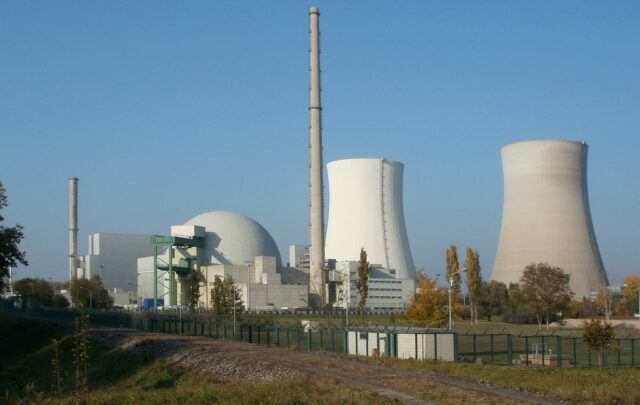
- Increased risk of temporary partial or full shutdowns at thermoelectric (coal, natural gas, and nuclear) power plants because of decreased water availability for cooling and higher ambient and air water temperatures. Thermoelectric power plants require water cooling in order to operate. A study of coal plants, for example, found that roughly 60 percent of the current fleet is located in areas of water stress.
- Reduced power generation from hydroelectric power plants in some regions and seasons due to drought and declining snowpack. For example, earlier spring snowmelts could decrease summer water availability leading to potential hydropower shortages when energy demand for cooling is greatest.
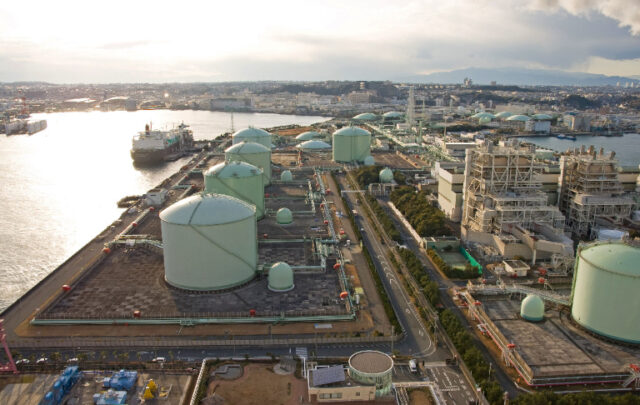
- Risks to energy infrastructure located along the coast from sea level rise, increasing intensity of storms, and higher storm surge and flooding — potentially disrupting oil and gas production, refining, and distribution, as well as electricity generation and distribution.
- Increasing risks of physical damage to power lines, transformers and electricity distribution systems from hurricanes, storms and wildfires that are growing more intense and more frequent.
- Increased risks of disruption and delay to fuel transport by rail and barge during more frequent periods of drought and flooding that affect water levels in rivers and ports.
- Higher air conditioning costs and risks of blackouts and brownouts in some regions if the capacity of existing power plants does not keep pace with the growth in peak electricity demand due to increasing temperatures and heat waves. An Argonne National Laboratory study found that higher peak electricity demand as a result of climate change related temperature increases will require an additional 34 GW of new power generation capacity in the western United States alone by 2050, costing consumers $45 billion. This is roughly equivalent to more than 100 new power plants, and doesn’t include new power plants that will be needed to accommodate growth in population or other factors.
In addition to identifying critical areas at risk from climate change and extreme weather, the report also identifies activities already underway to address these challenges, and discusses potential opportunities to make the energy sector more resilient. Potential future opportunities for federal, state, and local governments could include innovative policies that broaden the suite of available climate-resilient energy technologies and encourage their deployment, improved data collection and models to better inform researchers and lawmakers of energy sector vulnerabilities and response opportunities, and enhanced stakeholder engagement. These activities will increase the resilience of our energy infrastructure by “hardening” existing facilities and structures to better withstand severe droughts, floods, storms or wildfires and by contributing to smarter development of new facilities.
The full report is available on Energy.gov HERE.



Comments
We changed commenting systems on September 10, 2026 as part of a site-wide functionality and security upgrade. Your past comments have not disappeared, and you can still log in with your old Disqus account credentials if you wish. Contact us with any questions.