In this keynote presentation Richard surveys three over-arching global trends that provide the context for smart local economic development and planning. The video begins with Kelly Rajala (Co-founder of Share Exchange) introducing Richard.
Richard Heinberg Navigating the New Economic Reality Part 1
By Richard Heinberg, originally published by Share Exchange
June 26, 2013
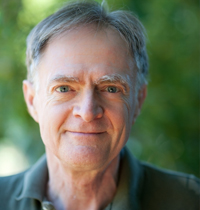
Richard Heinberg
Richard is Senior Fellow of Post Carbon Institute, and is regarded as one of the world’s foremost advocates for a shift away from our current reliance on fossil fuels. He is the author of fourteen books, including some of the seminal works on society’s current energy and environmental sustainability crisis. He has authored hundreds of essays and articles that have appeared in such journals as Nature and The Wall Street Journal; delivered hundreds of lectures on energy and climate issues to audiences on six continents; and has been quoted and interviewed countless times for print, television, and radio. His monthly MuseLetter has been in publication since 1992. Full bio at postcarbon.org.
Tags: limits to growth, peak oil, shale bubble, Shale gas, the end of growth
Related Articles
Revisiting the Nova Scotia Flax to Linen Ecosystem
By Zoe Gilbertson, Liflad Thoughts
New fibre eco systems will always be place-based and context driven and every instance will likely be different depending on the history, land, culture and personalities of the residents.
February 18, 2026
Ragnarök revisited
By Chris Smaje, Small Farm Future
We don’t really see the violence that historically underlay and still underlies the globalised ‘free’ trade that defines the modern world because a lot of effort has gone into forgetting it. Better, I’d argue, to embrace the role of the settled local farmer-householder (which in fact many of the Vikings were too) who knows how to produce their own livelihood from the land.
February 17, 2026
The Commons in Practice: Case Studies From Around the World
By Michel Rauchs, Growing the Commons
From alpine pastures and salmon fisheries to offshore wind farms and online encyclopedias, commons take many forms. This article explores a wide range of real-world commons that span geographies, culture, and domains.
February 12, 2026