NOTE: Images in this archived article have been removed.
 Can we link the decline in our democratic institutions to the nature of the workplaces that occupy so much of our time? Is there reason to believe that we can transition to an alternative economic system while our current economy crashes? Can we learn from the collapse of feudalism and the formation of capitalism to prepare for the next economic system?
In Extraenvironmentalist #61 we talk about historical economic transitions with professor, economist and author Rick Wolff and his recent book Democracy at Work: A Cure for Capitalism. Professor Wolff describes how our future economic system will likely build from alternative arrangements of workplaces through worker self-directed enterprises and cooperative businesses. We ask why changing the way our workplaces operate would change our economic system and how policy ideas from other countries could serve as a framework.
Related Articles
'SELECT SQL_CALC_FOUND_ROWS wp_posts.ID
FROM wp_posts LEFT JOIN wp_term_relationships ON (wp_posts.ID = wp_term_relationships.object_id)
WHERE 1=1 AND wp_posts.ID NOT IN (1695353) AND (
wp_term_relationships.term_taxonomy_id IN (2,8988)
) AND wp_posts.post_type = \'post\' AND ((wp_posts.post_status = \'publish\'))
GROUP BY wp_posts.ID
ORDER BY wp_posts.post_date DESC
LIMIT 0, 3'
By Richard Heinberg, Resilience.org
Why do people cling to falsehoods, even in the face of evidence? Both truth and lies serve social purposes, but holding onto reason becomes essential as we face climate change and rising Trumpism.
April 7, 2026
By Jan Spencer, Resilience.org
Benicia, California, is set to lose its largest single employer and source of tax revenue, a sprawling oil refinery. A Guardian article about this issue catalyzed this essay that describes what a thoughtful process might look like, if a community – any community – chose to pursue sustainability instead of economic growth.
April 2, 2026
By Miho Soon, Post-Growth Institute
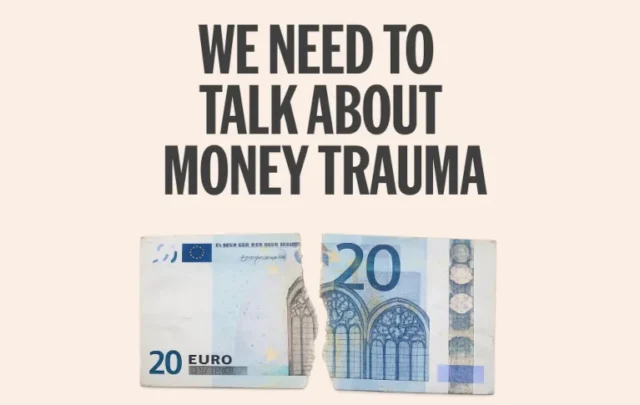
It’s curious that money trauma hasn’t gone into the mainstream yet. It’s one of the most fundamental forces shaping how we move around in our lives, and yet it remains incredibly taboo.
March 31, 2026