

Gar Alperovitz’s keynote speech at "The Summit" at Appalachian State in Boone, NC April 2013.

Related Articles
'SELECT SQL_CALC_FOUND_ROWS wp_posts.ID
FROM wp_posts LEFT JOIN wp_term_relationships ON (wp_posts.ID = wp_term_relationships.object_id)
WHERE 1=1 AND wp_posts.ID NOT IN (1651775) AND (
wp_term_relationships.term_taxonomy_id IN (2,8988)
) AND wp_posts.post_type = \'post\' AND ((wp_posts.post_status = \'publish\'))
GROUP BY wp_posts.ID
ORDER BY wp_posts.post_date DESC
LIMIT 0, 3'

Trust is climate infrastructure: What Mauritius teaches us about building truly resilient communities
Communities that trust their institutions are more willing to participate, collaborate, adapt, and recover. Communities that do not trust them remain vulnerable, regardless of how much climate finance is mobilised.
October 6, 2026

At the mouth of the Red Sea, the chokepoint where global crises converge
Historically, the Red Sea and the Bab el-Mandeb Strait have been a strategic region for trade and political dominance; today, we are still shaped by their influence as we remain fragilely interconnected.
September 25, 2026
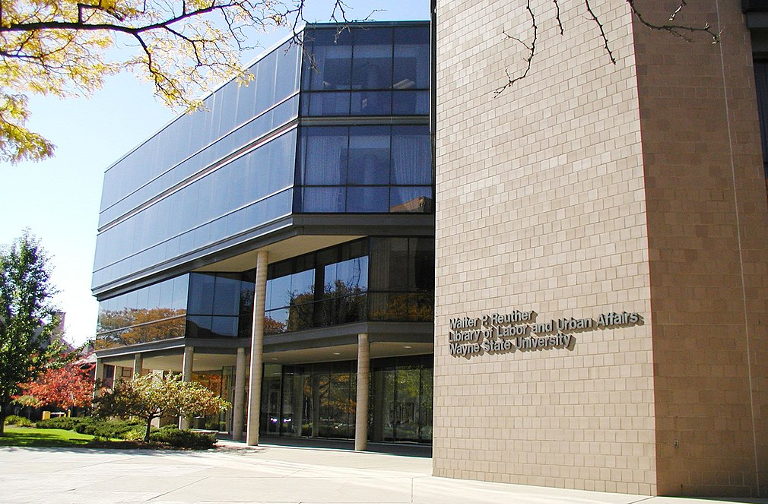
Preserving labor history in the present, for the future
Labor activists take steps to preserve the documents and strategies they use today, so future organizers will have a practical guide.
September 8, 2026


Comments
We changed commenting systems on September 10, 2026 as part of a site-wide functionality and security upgrade. Your past comments have not disappeared, and you can still log in with your old Disqus account credentials if you wish. Contact us with any questions.