

Post Carbon Fellow Michael Shuman joins KRUU’s Writer’s Voices show to talk about his latest book Local Dollars, Local Sense.

Related Articles
'SELECT SQL_CALC_FOUND_ROWS wp_posts.ID
FROM wp_posts LEFT JOIN wp_term_relationships ON (wp_posts.ID = wp_term_relationships.object_id)
WHERE 1=1 AND wp_posts.ID NOT IN (1246113) AND (
wp_term_relationships.term_taxonomy_id IN (2)
) AND wp_posts.post_type = \'post\' AND ((wp_posts.post_status = \'publish\'))
GROUP BY wp_posts.ID
ORDER BY wp_posts.post_date DESC
LIMIT 0, 3'
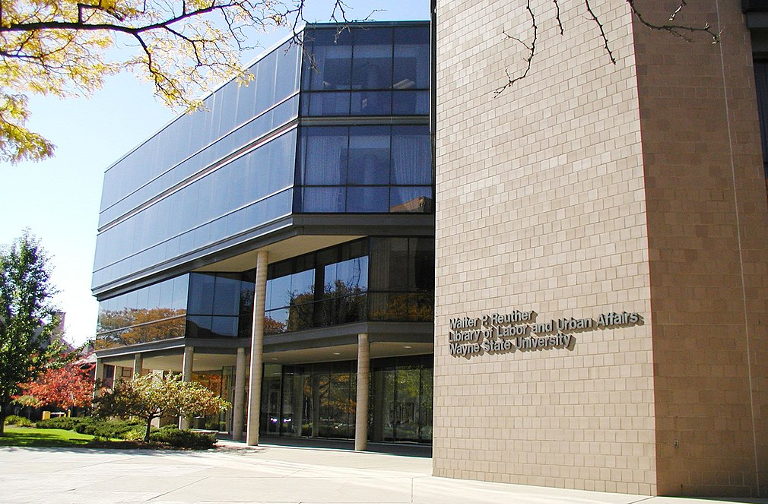
Preserving labor history in the present, for the future
Labor activists take steps to preserve the documents and strategies they use today, so future organizers will have a practical guide.
September 8, 2026
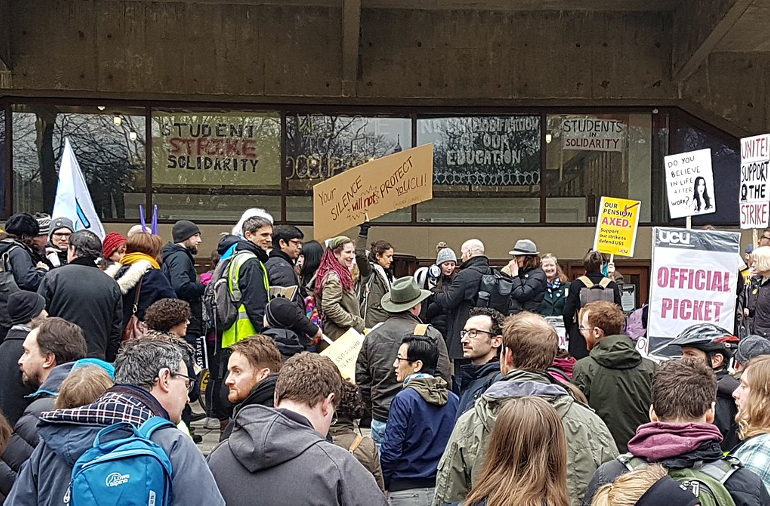
Rebuilding the trade union movement: ‘Dare to struggle, dare to win’
To rebuild the trade union movement, to meaningfully defend the right to strike, and to begin a serious fightback against the imposition of the costs of capitalism’s crisis on the working class, we need to put our energy into workplace and community organising
September 7, 2026
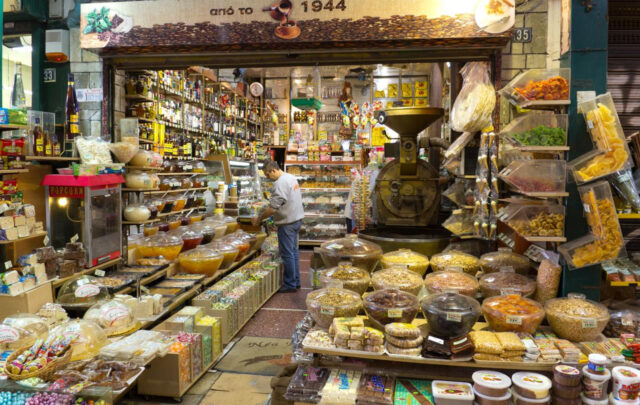
Beyond the supermarket: What Greece’s alternative food networks teach us about degrowth
Thessaloniki’s grassroots food networks offer a glimpse of what food systems organized around care and democracy, rather than profit and endless growth, can look like.
August 27, 2026


Comments
We changed commenting systems on September 10, 2026 as part of a site-wide functionality and security upgrade. Your past comments have not disappeared, and you can still log in with your old Disqus account credentials if you wish. Contact us with any questions.