

Fred Kirschenmann has been involved in sustainable agriculture and food issues for most of his life. He currently serves as both a Distinguished Fellow at the Leopold Center for Sustainable Agriculture at Iowa State University, and as President of the Stone Barns Center for Food and Agriculture in Pocantico Hills, New York. He also still provides management over site of his family’s 2600 acre organic farm in south central North Dakota. He was recently named as one of the first ten James Beard Foundation Leadership Awards which recognizes visionaries in creating more healthful, more sustainable, and safer food systems. He is the author of a book of essays which track the development of his thought over the past 30 years; Cultivating an Ecological Conscience: Essays by a Farmer Philosopher, published by the University of Kentucky Press.

Related Articles
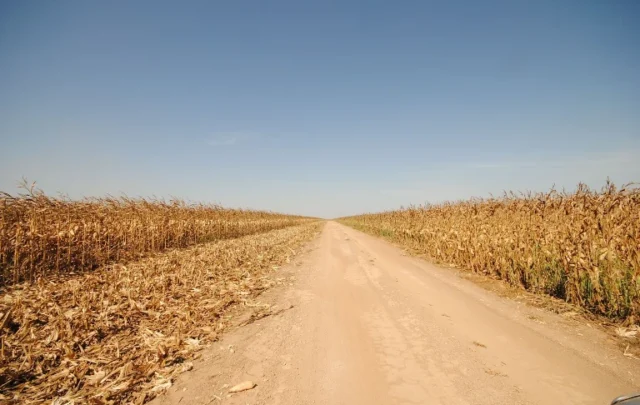
The whole food system must be converted – not just the farming system
It is essential to re-connect food to the land and the process of farming. This will give food an enhanced value not only as a supplier of energy and essential nutrients, but also as a source of meaning and experience of the land, of the living and of the people producing food.
March 17, 2026
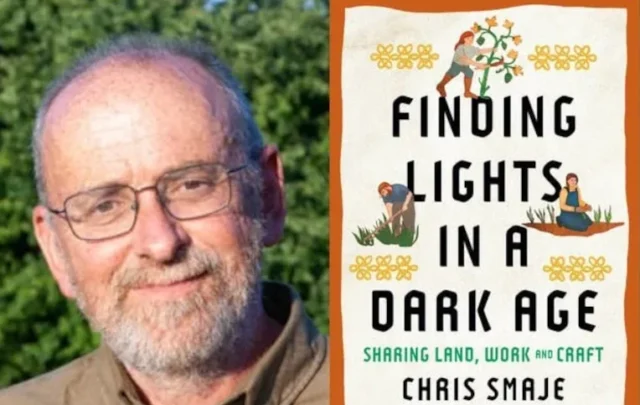
An arc of future earth
I don’t think anything is more important than challenging the notion that ‘they’ will solve the current poly-crisis and keep people safe and fed via existing and new technologies, economic policies and political negotiation. They won’t. It’s time for ordinary people to try to do it for themselves.
March 12, 2026

Water and Security in the Middle East: Lessons from the Iranian Crisis
Water, through its progressive scarcity, is redrawing the map of vulnerabilities and powers. Countries that make its management a factor of internal cohesion and regional cooperation will be better equipped for the decades to come.
March 5, 2026

