

In Extraenvironmentalist #25 we speak with Charles Eisenstein about his new book Sacred Economics which explains how to save the concept of money from being subject to our outdated understanding of human nature and simplistic mechanistic models of the physical world around us. While the social unrest sweeping from Cairo to Athens to Barcelona to New York is disrupting monetary dynamics can it also create an applicable positive vision? Charles explains how a negative interest currency and an economic model that integrates equity and ecology can end what we perceive to be the human nature emphasized by our current currency. Can we accept that the failure of money isn’t the end of the world but that it is an opportunity to reorganize?


Related Articles
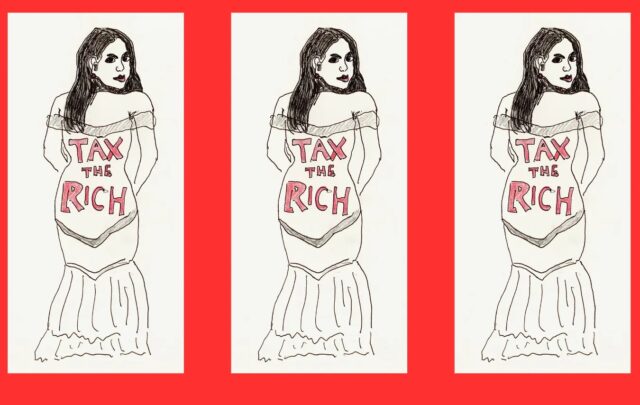
Tax the rich and save the world
A movement to reshape the structure of taxation in the U.S. is gaining steam.
October 16, 2026

Trump’s pronatalist policy puts GDP growth before reproductive freedom
Trump clearly represents an unmitigated disaster for the steady state, with consequences that include rolling back decades of progress in gender equality, contraceptive access, and the lower birth rates that result.
October 16, 2026

Data centers have exposed big tech’s trust deficit
Americans used the products for twenty years without trusting the companies. A data center is the first thing they could vote on.
October 15, 2026


Comments
We changed commenting systems on September 10, 2026 as part of a site-wide functionality and security upgrade. Your past comments have not disappeared, and you can still log in with your old Disqus account credentials if you wish. Contact us with any questions.