

French translation of the animation Who Killed Economic Growth? Translation and subtitling by Marc Zishka.
Related Articles
'SELECT SQL_CALC_FOUND_ROWS wp_posts.ID
FROM wp_posts LEFT JOIN wp_term_relationships ON (wp_posts.ID = wp_term_relationships.object_id)
WHERE 1=1 AND wp_posts.ID NOT IN (1217658) AND (
wp_term_relationships.term_taxonomy_id IN (3)
) AND wp_posts.post_type = \'post\' AND ((wp_posts.post_status = \'publish\'))
GROUP BY wp_posts.ID
ORDER BY wp_posts.post_date DESC
LIMIT 0, 3'
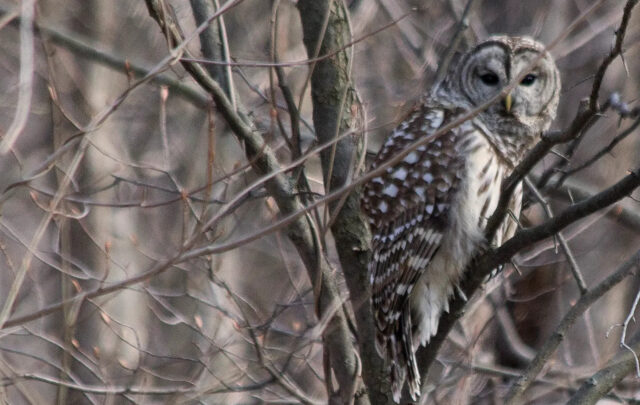
Big solar vs. forests: Why we remain determined to save these trees
The veneration of solar has taken up the oxygen in the climate conversation. While we have a modest array ourselves, I’m worried solar has been presented to the climate-worried public as a panacea, as if a wholesale switch to solar would stabilize the climate.
September 18, 2026
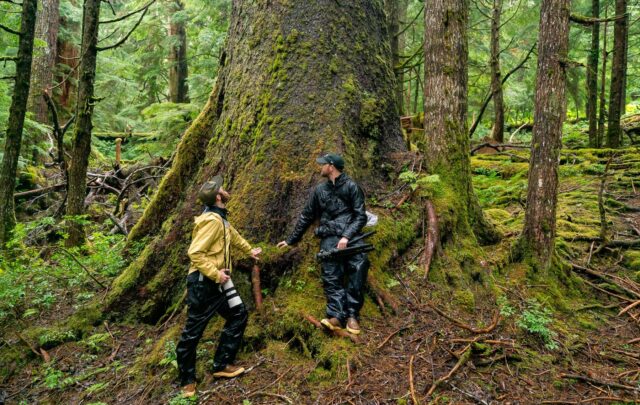
US Forest Service to clearcut one of the last great groves in the Tongass. Here’s how to save it
It’s referred to as Unit 346 in the Twin Mountain II timber sale. On the ground, it’s some of the most spectacular old-growth we’ve ever witnessed, and it’s marked for clearcutting.
September 17, 2026
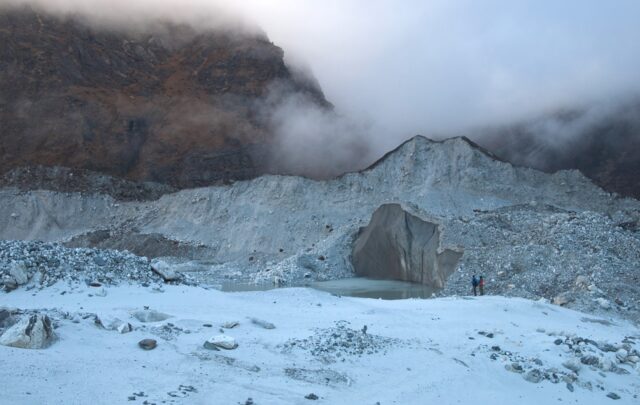
How ice and rock triggered Nepal’s catastrophic flood – and why climate change is raising the risks
The catastrophic flood that killed hundreds of people in Nepal in August shows the ways rising temperatures, thawing permafrost and melting ice are increasing the risk of destructive floods in the Himalayas and other regions around the world.
September 17, 2026


Comments
Welcome to the new Resillience commenting system!
We have moved from the former Disqus commenting system to a new system as of September 10, 2026.
We made this change because of privacy concerns regarding Disqus. It's also part of a set of changes to bring more services to the Resilience community under a single login: commenting, (coming September 2026), and online courses (coming 2027). Unfortunately, your old Disqus comments may not reliably link to your account in this new system. Please contact us if you have any questions or concerns.