What if you had three weeks to prepare for a life-changing disaster? A severe ice storm, earthquake, flood, or something similar? Wendy Brown says that preparing for disaster leaves us better equipped for the changes that are happening right now. Carl Etnier interviews Brown about her book, Surviving the Apocalypse in the Suburbs: The thrivalist’s guide to life without oil.
Note: The second part of the audio file is a now outdated legislative update for Vermont on issues related to the show’s theme of energy, food, and the local economy at the end of the age of oil.
Related Articles
'SELECT SQL_CALC_FOUND_ROWS wp_posts.ID
FROM wp_posts LEFT JOIN wp_term_relationships ON (wp_posts.ID = wp_term_relationships.object_id)
WHERE 1=1 AND wp_posts.ID NOT IN (1217620) AND (
wp_term_relationships.term_taxonomy_id IN (2,8988)
) AND wp_posts.post_type = \'post\' AND ((wp_posts.post_status = \'publish\'))
GROUP BY wp_posts.ID
ORDER BY wp_posts.post_date DESC
LIMIT 0, 3'
By Kurt Cobb, Resource Insights
Oil price manipulation is taking many forms after the closure of one of the world’s major choke points for oil transport sent oil prices higher.
March 15, 2026
By Dave Darby, Growing the Commons
After the financial crash of 2008-9, I started to discover tools and ideas that I thought were promising, but discrete and disconnected. But they’re not: they can be (and are being) used together to form networks that have the potential to grow exponentially to challenge the status quo – to build a commons economy, a commons society, a commons world.
March 12, 2026
By Richard Heinberg, Resilience.org
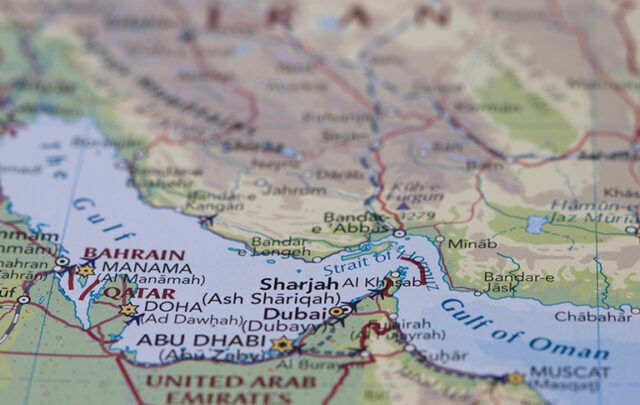
The 24-mile-wide Strait of Hormuz in the Persian Gulf, through which roughly 20 percent of world oil shipments pass, is an obvious pinch point for a vital industrial resource. But it also serves as an apt metaphor for the brittle global supply chains upon which the entire economy depends.
March 12, 2026