

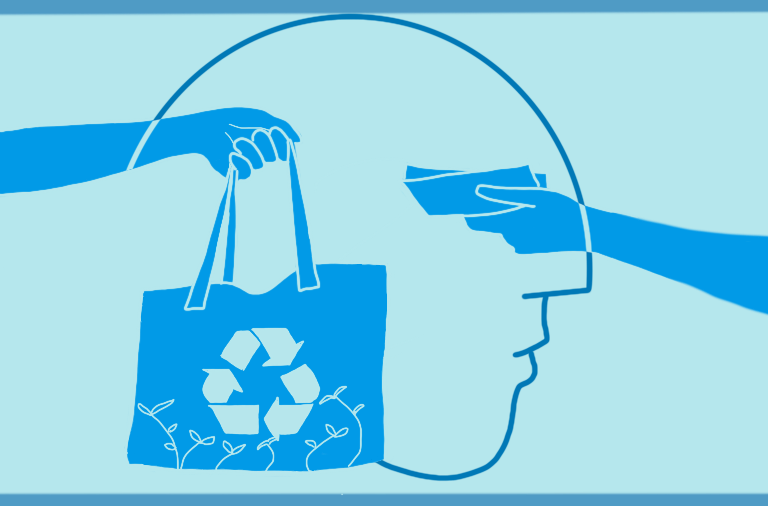
Click on the headline (link) for the full text.
Many more articles are available through the Energy Bulletin homepage
Berlin’s Poverty Protects It from Downturn
Sally McGrane, Spiegel Online
Recession? What recession? From Berlin, it’s been hard to tell that there is a global economic downturn. A lack of industry and years of high unemployment mean that Germany’s capital can’t sink much further.
At Oliv, a snazzy glass and concrete café in Berlin’s trendy Mitte district, Teena Marie is pouring forth full blast from the speakers while a fashion-forward clientele busies itself with sipping cappuccinos. The newspapers are full of impending economic doom. But the hot spot’s owner, Hans Thedeck, isn’t buying it.
“We don’t feel it at all,” he said. “It’s a lot of theory, this crisis. These financial types, they make crises and they make stimulus packages — it’s all very hypothetical. Everything can’t always keep growing; you can’t have 4 percent growth every year. It just doesn’t have that much to do with real life.”
At least, not in Berlin it doesn’t. For most in the German capital, the financial crisis and the ensuing economic downturn seem unreal, a distant problem affecting other cities far away. The reason? The city wasn’t doing terribly well even in the good times. It has become used to a dour economy and didn’t have very far to fall.
“Because Berlin has done relatively so poorly for the last 40 years, it can’t do much worse,” Michael Burda, an economist at the city’s Humboldt University, told SPIEGEL ONLINE.
If anything, the economic difficulties facing other European capitals will lead to Berlin fears that it may lose its coveted place at the bottom of the heap.
(4 March 2009)
In a recession, cheap is chic
Lisa Respers France, CNN
… With the economy in shambles and so many people losing their jobs and homes, it is no longer considered cool to brag about possessions and purchases.
For many during a deepening recession, conspicuous consumption is out and frugality is the new black.
“People have long used the way they shop and what they buy as a way to communicate with other people about their values, their tastes and their interests,” said Kit Yarrow, a consumer psychologist and professor at Golden Gate University in San Francisco, California.
“A year ago, what was considered the ultimate status symbol would have been the chicest bag or the most luxurious outfit,” Yarrow added. “Now what’s chic is being the most knowledgeable and efficient at saving money.”
(4 March 2009)
“We had everything but money,” A Suggested Guidebook for the “Greater Depression”
Jeffrey J. Brown, GraphOilogy
We Had Everything But Money
June 1992 by Country Store Reiman Pubs
Hardcover, 162 pages
“We had everything but money” is a collection of first person accounts of the Great Depression in the United States. Although, it appears to be out of print, it is widely available online. I recommend it as a very good guidebook for our present circumstances, what many are calling the “Greater Depression.”
Here is a list of and a description of the chapters:
When the banks closed, our hearts opened
As tough times enveloped the nation, folks began to see their neighbors in a new, more loving light.
Braving the dirty 30’s
Dust Bowl survivors recall how they overcame the worst drought in American history.
Looking for work
With more than 10 million people out of work, many families had to start over, move on or find a new way to make a living.
Beans, bacon and gravy
Simple meals were standard fare in most households, but the love with which they were prepared made them unforgettable.
Make it last, wear it out
Recycling isn’t a new idea. In the 1930’s it became a way of life, helping many to get by.
Cherished photos
Everyone treasures family photos, and none are more prized than these priceless snapshots from the Depression years.
How we got around
From the horse and buggy to the streetcar and trolley, “getting there” was half the fun–and usually an adventure.
Love and marriage
Whether couples met at school, through the mail or on a scavenger hunt, their stories prove that love really can conquer all.
How we had fun
Money may have been tight, but entertainment was never in short supply, from classic films to favorite radio shows to “homemade fun.”
Christmases we remember
The best gifts are those that come from the heart. That’s what makes these recollections of Depression holidays so special.
Here is an excerpt from Chapter One. It’s a contemporaneous account written in the early Thirties. Sally Wall found it after her father died.
‘I like the Depression’
Jeffrey J. Brown is an independent petroleum geologist in the Dallas, Texas area. His email address is westexas at aol.com.
(3 March 2009)


Comments
We changed commenting systems on September 10, 2026 as part of a site-wide functionality and security upgrade. Your past comments have not disappeared, and you can still log in with your old Disqus account credentials if you wish. Contact us with any questions.